Rigging Hardware
AllBelow-the-Hook Lifters & ClampsEyebolts, Eye Nuts & Lifting PointsHooks, Links & SwivelsTurnbuckles & Rigging ScrewsSheave & Snatch BlocksStainless Steel Rigging
75 products
Narrow it down75 products
Features
WLL
Grade
Size
Diameter
Wire diameter
Shape
Finish
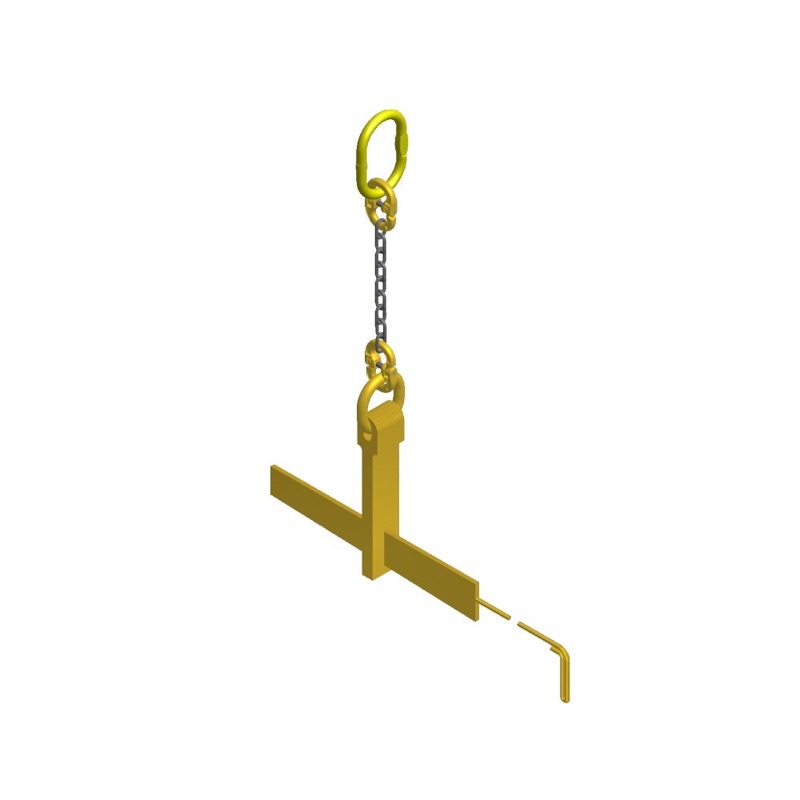
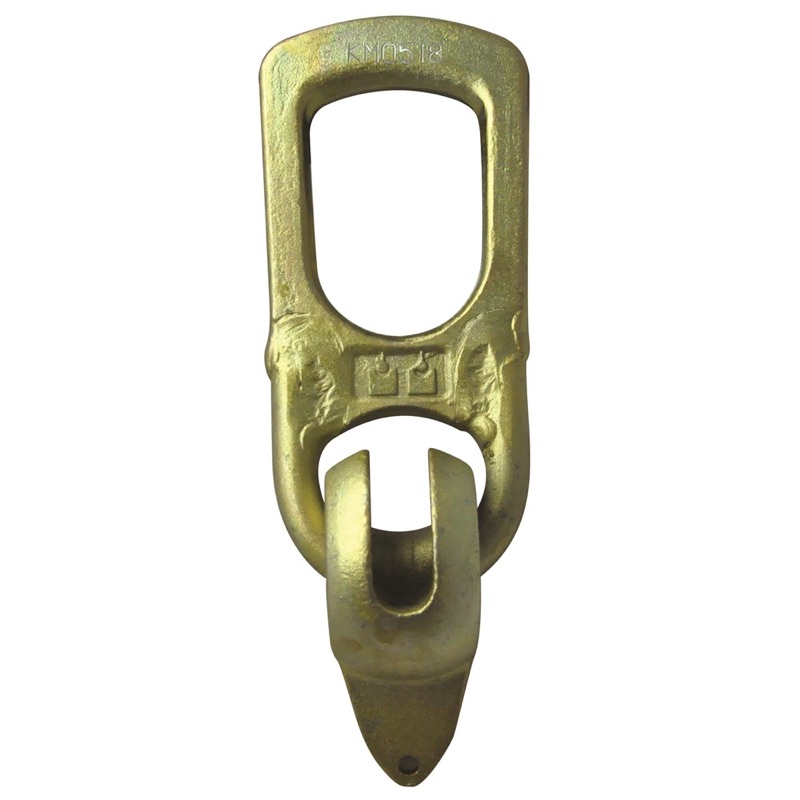
260013
1.3t – 10t
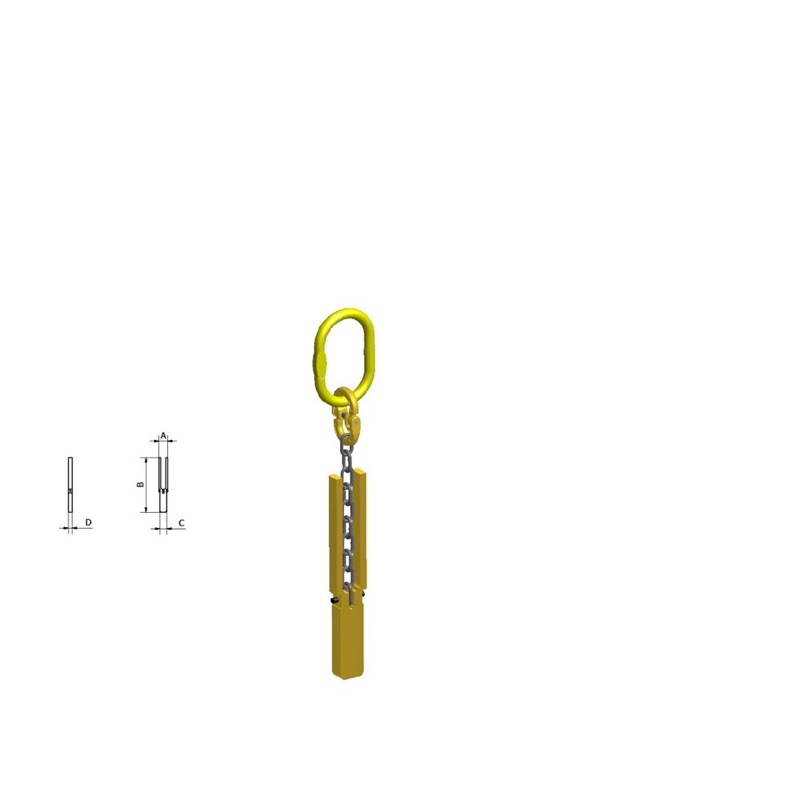
- Beaver B-Alloy Concrete Lifting Clutch 1.3t
- Beaver B-Alloy Concrete Lifting Clutch 2.5t
- Beaver B-Alloy Concrete Lifting Clutch 5t
- Beaver B-Alloy Concrete Lifting Clutch 10t
$46.97 inc GSTTrade $42.27, save $4.70
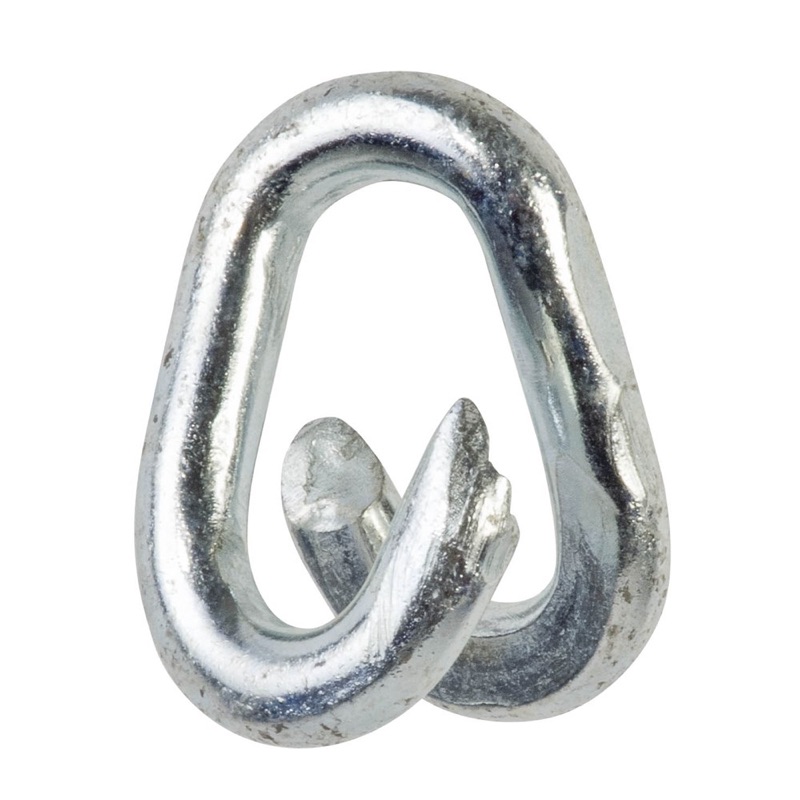
420103
3.5mm x Electro Galvanised – 13mm x Hot Dipped Galvanised3.5mmElectro Galvanised
3.5mm
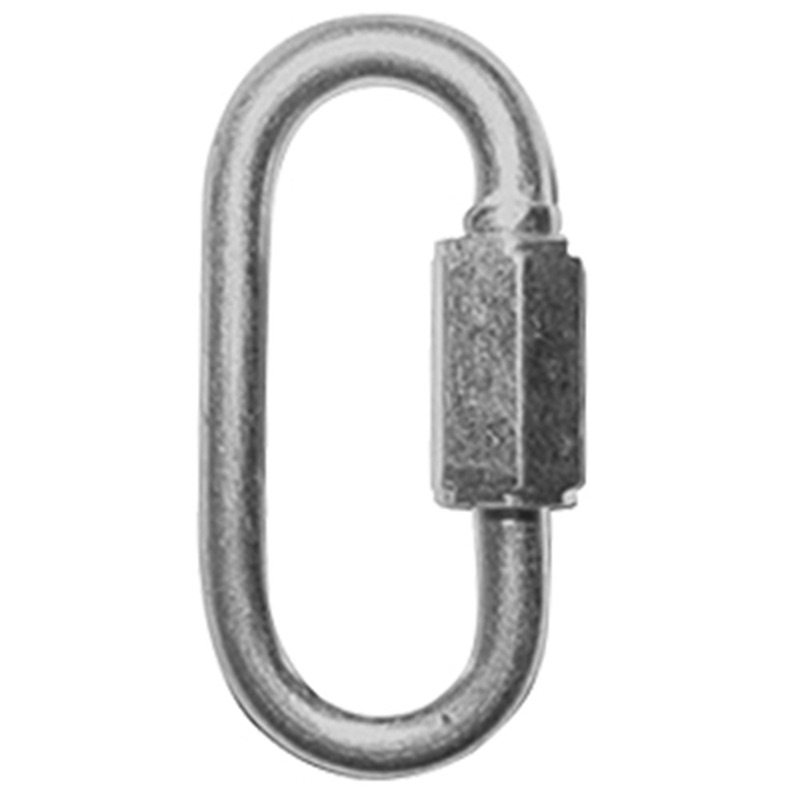
- Beaver Chain Split Links 3.5mm x Electro Galvanised
- Beaver Chain Split Links 3.5mm x Hot Dipped Galvanised
- Beaver Chain Split Links 5mm x Electro Galvanised
- Beaver Chain Split Links 5mm x Hot Dipped Galvanised
- Beaver Chain Split Links 6mm x Electro Galvanised
- Beaver Chain Split Links 6mm x Hot Dipped Galvanised
- Beaver Chain Split Links 8mm x Electro Galvanised
- Beaver Chain Split Links 8mm x Hot Dipped Galvanised
- Beaver Chain Split Links 10mm x Electro Galvanised
- Beaver Chain Split Links 10mm x Hot Dipped Galvanised
- Beaver Chain Split Links 13mm x Electro Galvanised
- Beaver Chain Split Links 13mm x Hot Dipped Galvanised
$0.31 inc GSTTrade $0.28, save $0.03
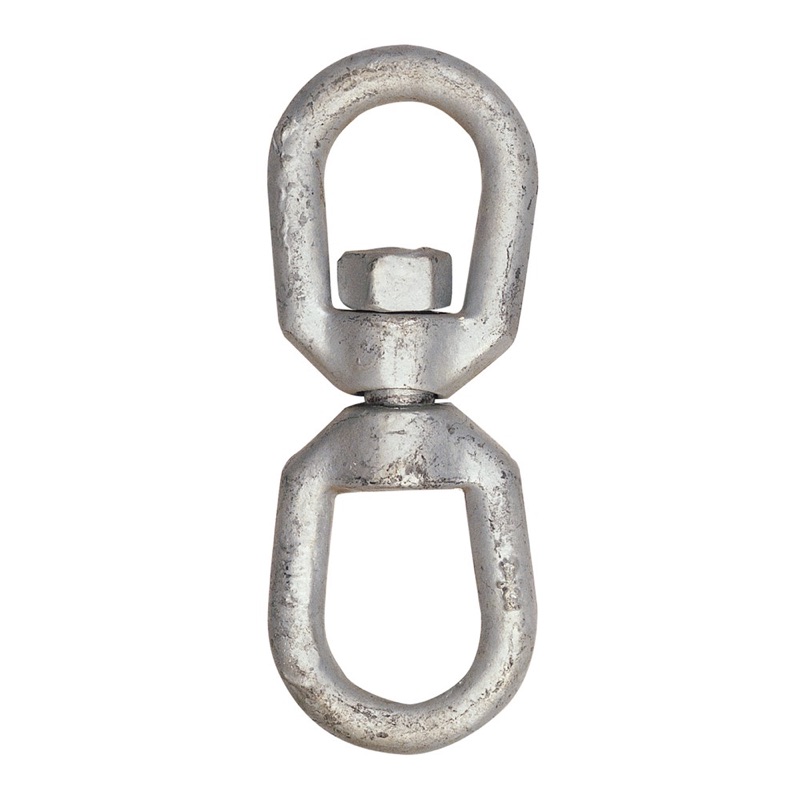
335306
6mm – 22mm6mmGalvanised
6mm
- Beaver Commercial Chain Swivels 6mm
- Beaver Commercial Chain Swivels 8mm
- Beaver Commercial Chain Swivels 10mm
- Beaver Commercial Chain Swivels 12mm
- Beaver Commercial Chain Swivels 16mm
- Beaver Commercial Chain Swivels 20mm
- Beaver Commercial Chain Swivels 22mm
$5.87 inc GSTTrade $5.28, save $0.59
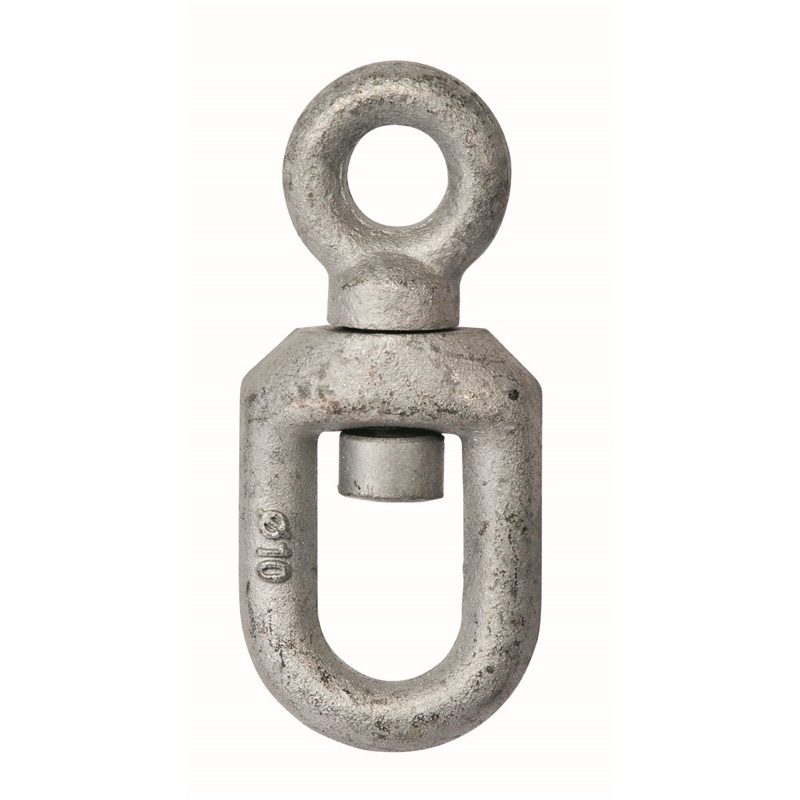
330320
20mm – 28mmGalvanised
20mm
- Beaver Commercial Mooring Swivels 20mm
- Beaver Commercial Mooring Swivels 25mm
- Beaver Commercial Mooring Swivels 28mm
$38.67 inc GSTTrade $34.80, save $3.87
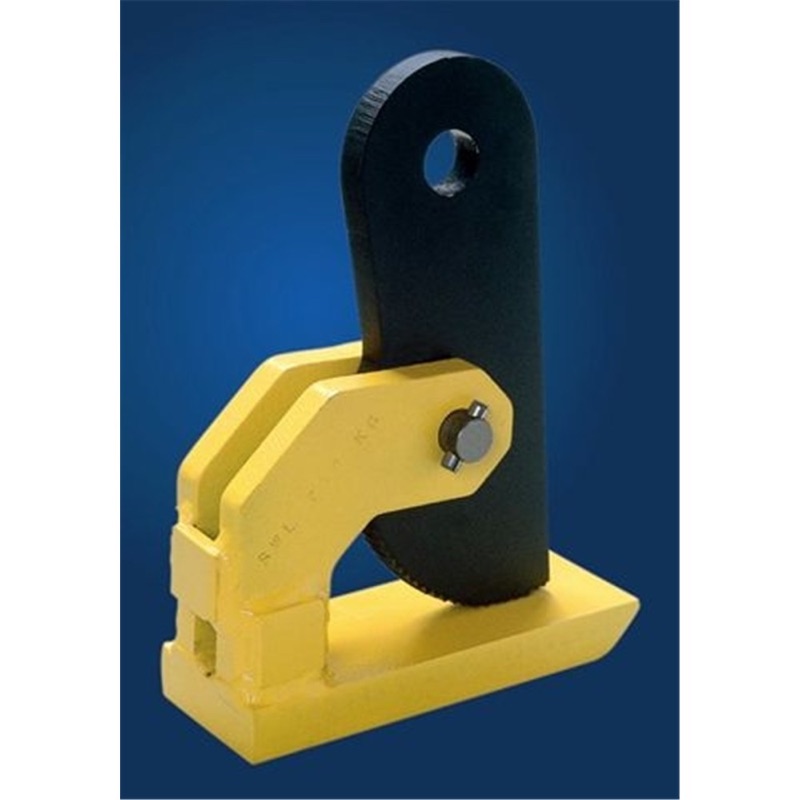
250150A
1.5t – 5t
WLL 1.5t
- Beaver CQ Horizontal Plate Clamps 1.5t
- Beaver CQ Horizontal Plate Clamps 3t
- Beaver CQ Horizontal Plate Clamps 5t
$313.05 inc GSTTrade $281.75, save $31.30
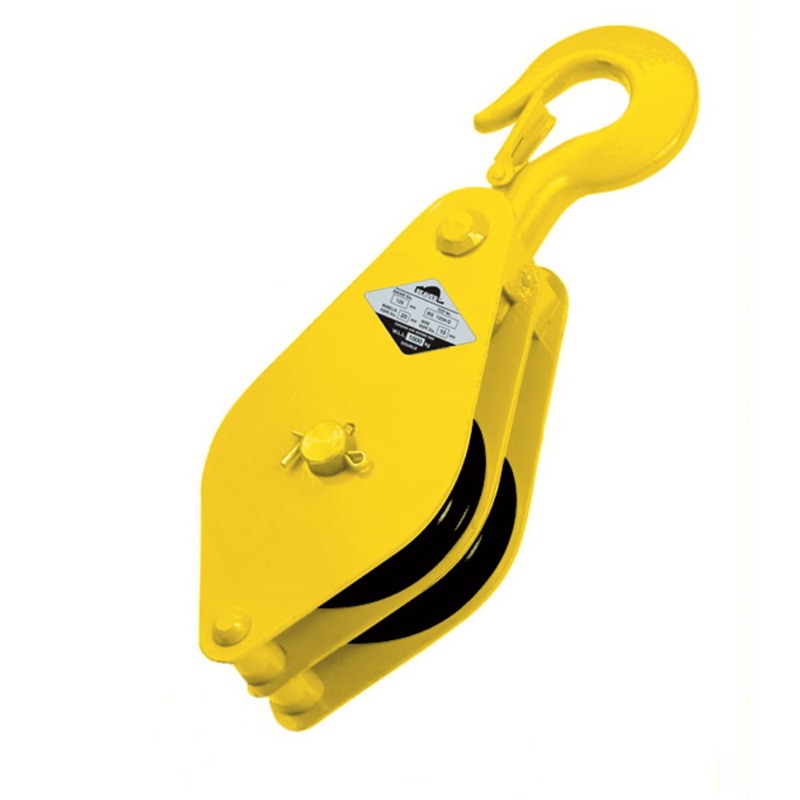
551063
0.25t5mm
WLL 250kg
$128.94 inc GSTTrade $116.05, save $12.89
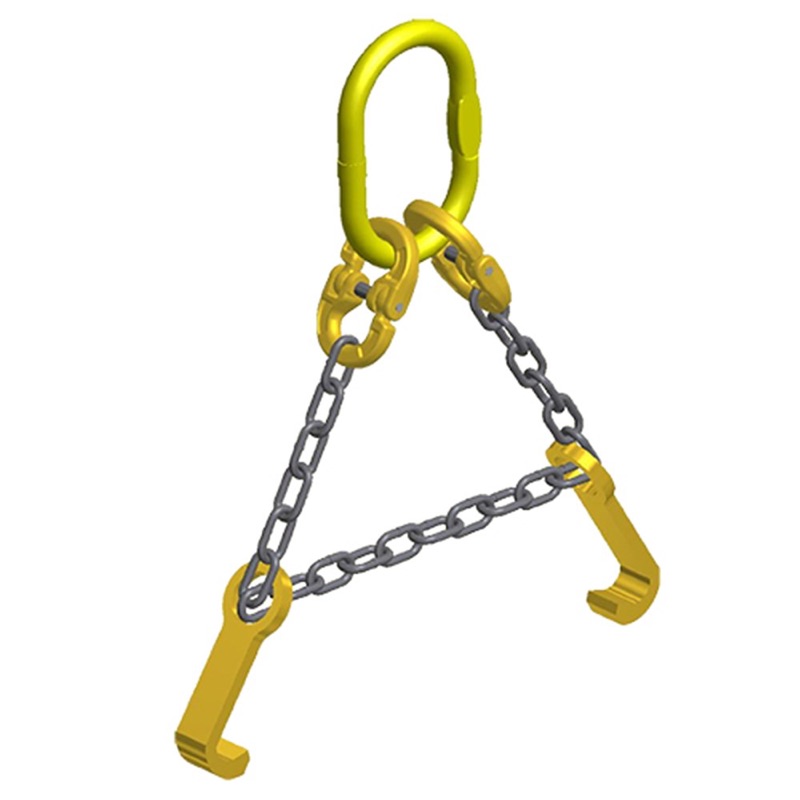
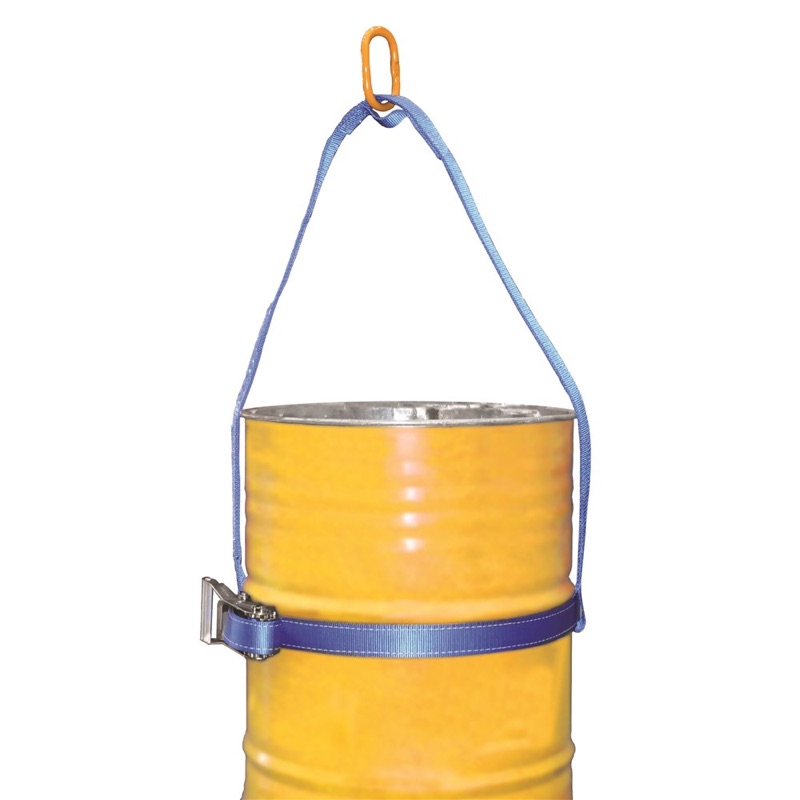
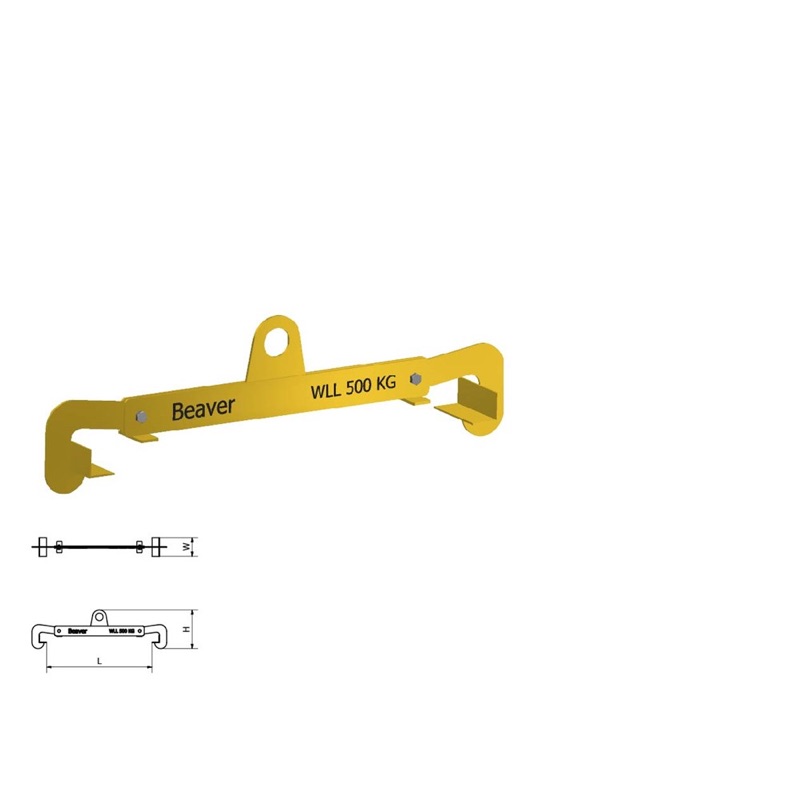
546001F
0.5t
WLL 500kg
$133.61 inc GSTTrade $120.25, save $13.36
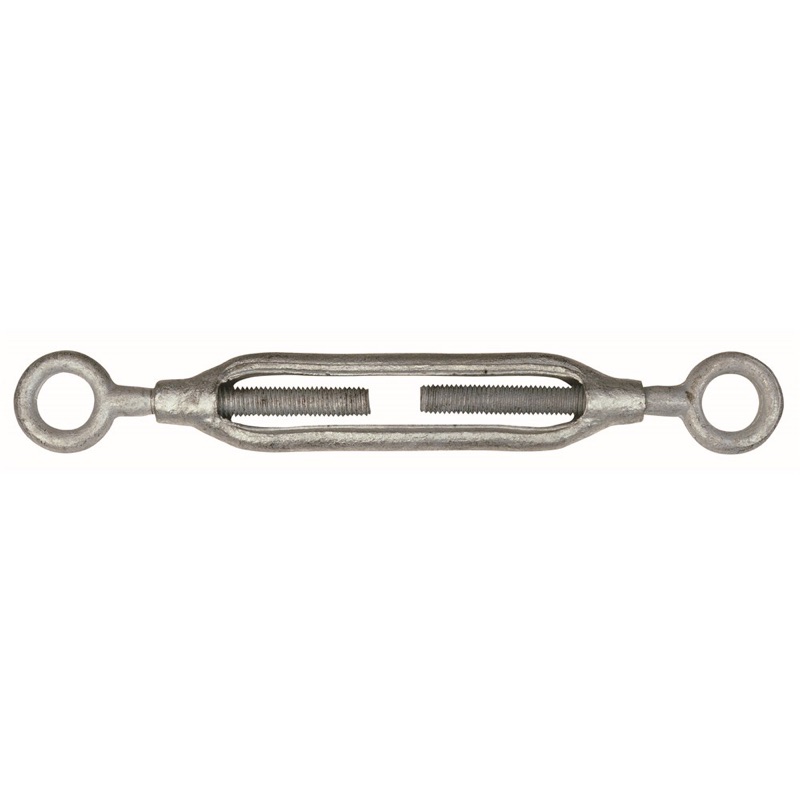
324206
Galvanised6mm – 25mm6mm
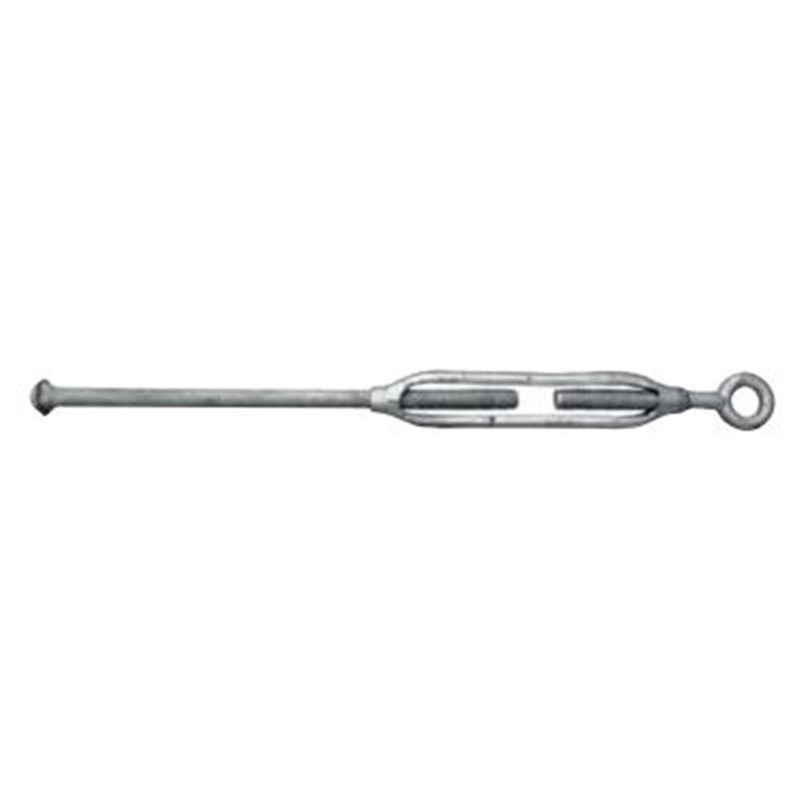
- BEAVER EYE AND EYE COMMERCIAL TURNBUCKLES - GALVANISED 6mm
- BEAVER EYE AND EYE COMMERCIAL TURNBUCKLES - GALVANISED 8mm
- BEAVER EYE AND EYE COMMERCIAL TURNBUCKLES - GALVANISED 10mm
- BEAVER EYE AND EYE COMMERCIAL TURNBUCKLES - GALVANISED 13mm
- BEAVER EYE AND EYE COMMERCIAL TURNBUCKLES - GALVANISED 16mm
- BEAVER EYE AND EYE COMMERCIAL TURNBUCKLES - GALVANISED 20mm
- BEAVER EYE AND EYE COMMERCIAL TURNBUCKLES - GALVANISED 25mm
$3.44 inc GSTTrade $3.10, save $0.34
325010
Galvanised10mm – 25mm10mm
10mm
- Beaver Forged Stub and Stub Commercial Turnbuckles - Galvanised 10mm
- Beaver Forged Stub and Stub Commercial Turnbuckles - Galvanised 12mm
- Beaver Forged Stub and Stub Commercial Turnbuckles - Galvanised 16mm
- Beaver Forged Stub and Stub Commercial Turnbuckles - Galvanised 20mm
- Beaver Forged Stub and Stub Commercial Turnbuckles - Galvanised 22mm
- Beaver Forged Stub and Stub Commercial Turnbuckles - Galvanised 25mm
$4.45 inc GSTTrade $4.01, save $0.44
705030
Stainless3mm – 5mm304
3mm
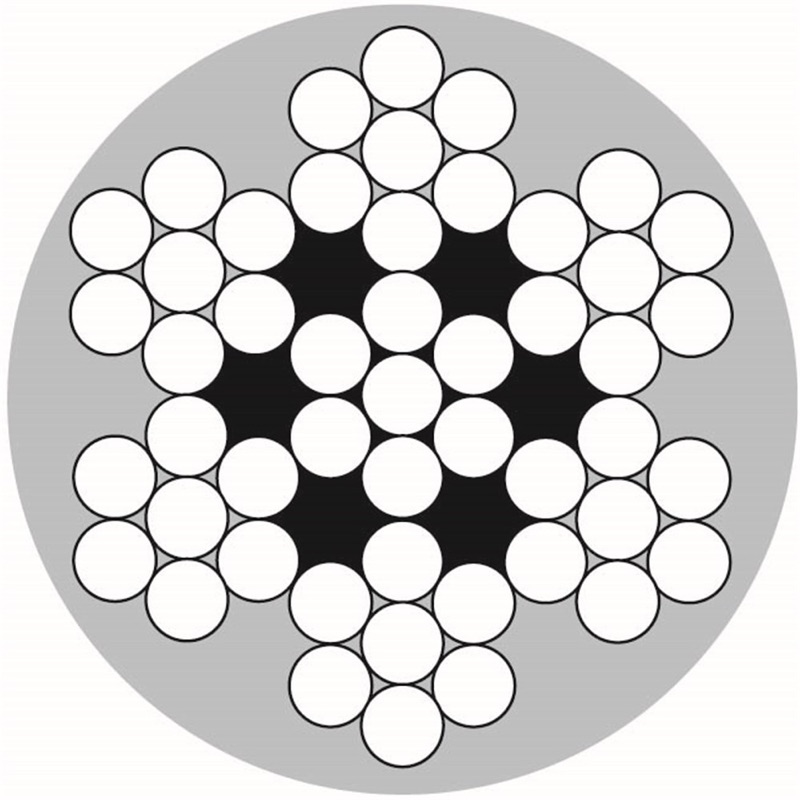
- Beaver G304 PVC Coated Stainless Steel Wire Rope 7x7 3mm
- Beaver G304 PVC Coated Stainless Steel Wire Rope 7x7 4mm
- Beaver G304 PVC Coated Stainless Steel Wire Rope 7x7 5mm
$1.05 inc GSTTrade $0.95, save $0.10
618461
Stainless6mm x 40mm – 12mm x 120mm304
Grade 304
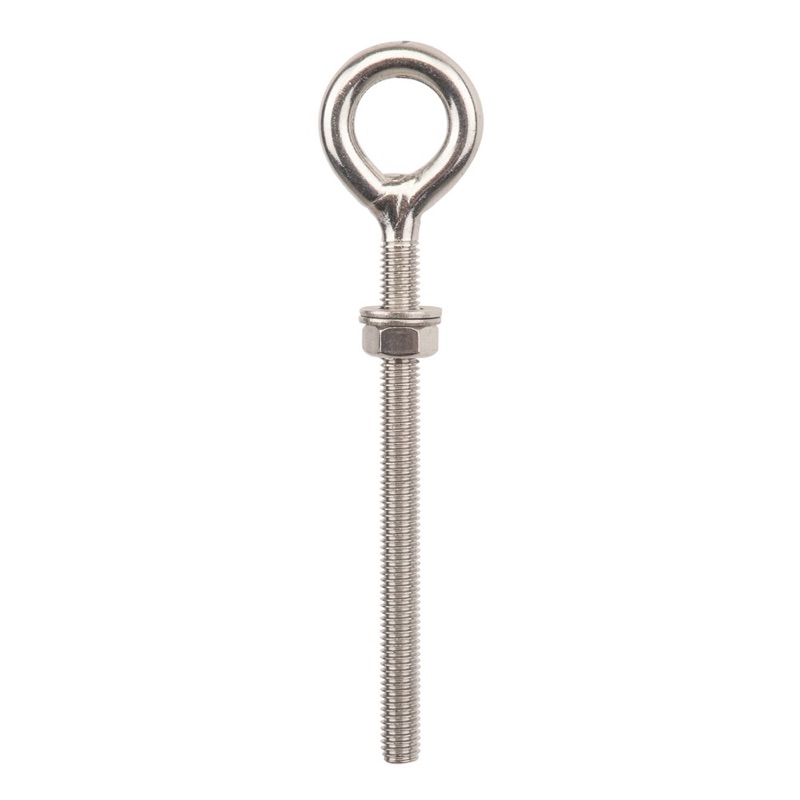
- Beaver G304 Stainless Steel Eye Bolt with Nut and 2 Washers 6mm x 40mm
- Beaver G304 Stainless Steel Eye Bolt with Nut and 2 Washers 6mm x 80mm
- Beaver G304 Stainless Steel Eye Bolt with Nut and 2 Washers 6mm x 100mm
- Beaver G304 Stainless Steel Eye Bolt with Nut and 2 Washers 8mm x 80mm
- Beaver G304 Stainless Steel Eye Bolt with Nut and 2 Washers 12mm x 120mm
$7.60 inc GSTTrade $6.84, save $0.76
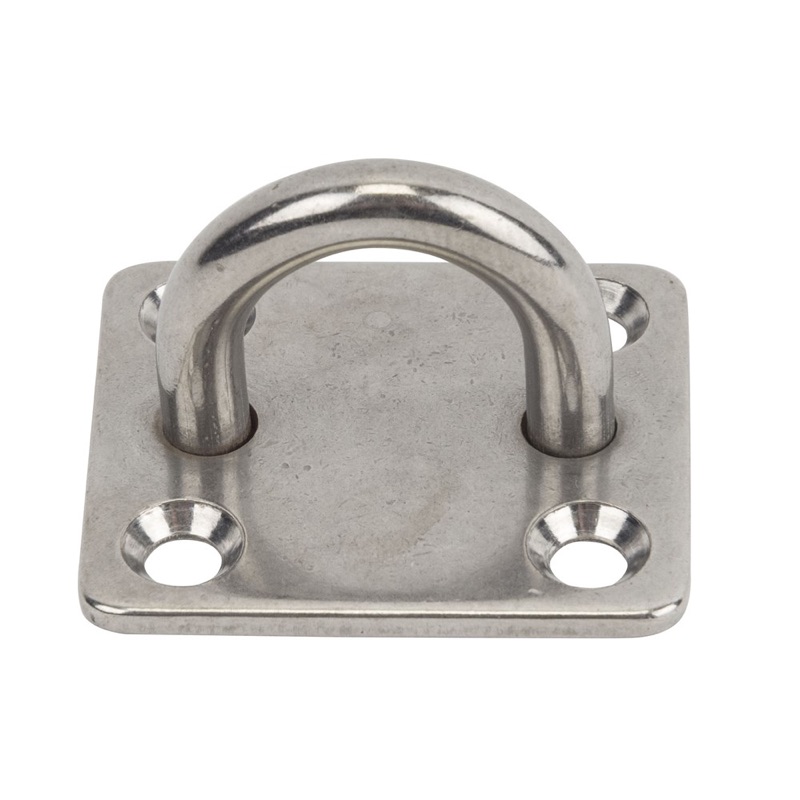
616205
Stainless5mm – 8mm304
5mm
- Beaver G304 Stainless Steel Square Pad Eye 5mm
- Beaver G304 Stainless Steel Square Pad Eye 6mm
- Beaver G304 Stainless Steel Square Pad Eye 8mm
$2.04 inc GSTTrade $1.84, save $0.20
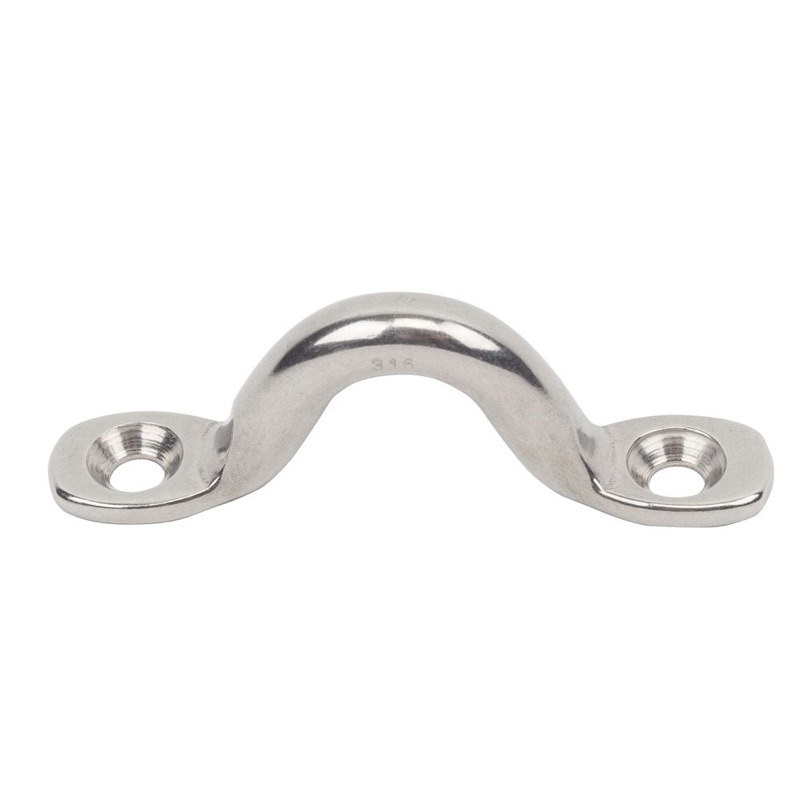
617705
Stainless5mm – 6mm304
5mm
$1.13 inc GSTTrade $1.02, save $0.11

701030
Stainless3mm – 5mm304
3mm
$0.96 inc GSTTrade $0.86, save $0.10

703016
Stainless1.6mm x 305m – 8mm x 305m304
1.6mm
- Beaver G304 Stainless Steel Wire Rope - 7X19 1.6mm x 305m
- Beaver G304 Stainless Steel Wire Rope - 7X19 2mm x 305m
- Beaver G304 Stainless Steel Wire Rope - 7X19 2.5mm x 305m
- Beaver G304 Stainless Steel Wire Rope - 7X19 3.2mm x 305m
- Beaver G304 Stainless Steel Wire Rope - 7X19 4mm x 305m
- Beaver G304 Stainless Steel Wire Rope - 7X19 4mm x 1000m
- Beaver G304 Stainless Steel Wire Rope - 7X19 5mm x 305m
- Beaver G304 Stainless Steel Wire Rope - 7X19 6mm x 305m
- Beaver G304 Stainless Steel Wire Rope - 7X19 8mm x 305m
$1.71 inc GSTTrade $1.54, save $0.17
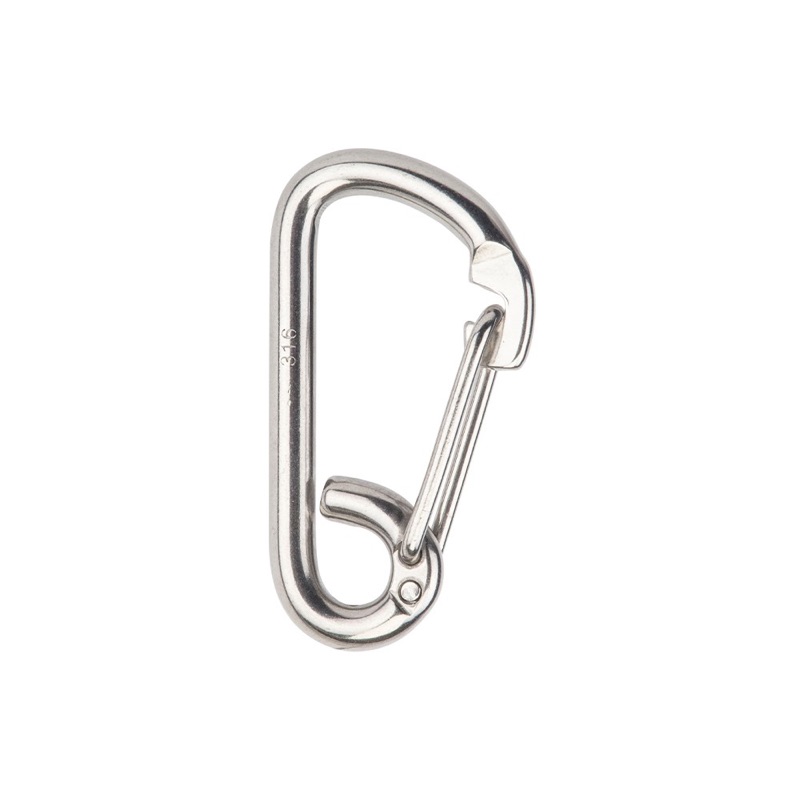
616608
Stainless316
8mm
$6.48 inc GSTTrade $5.83, save $0.65
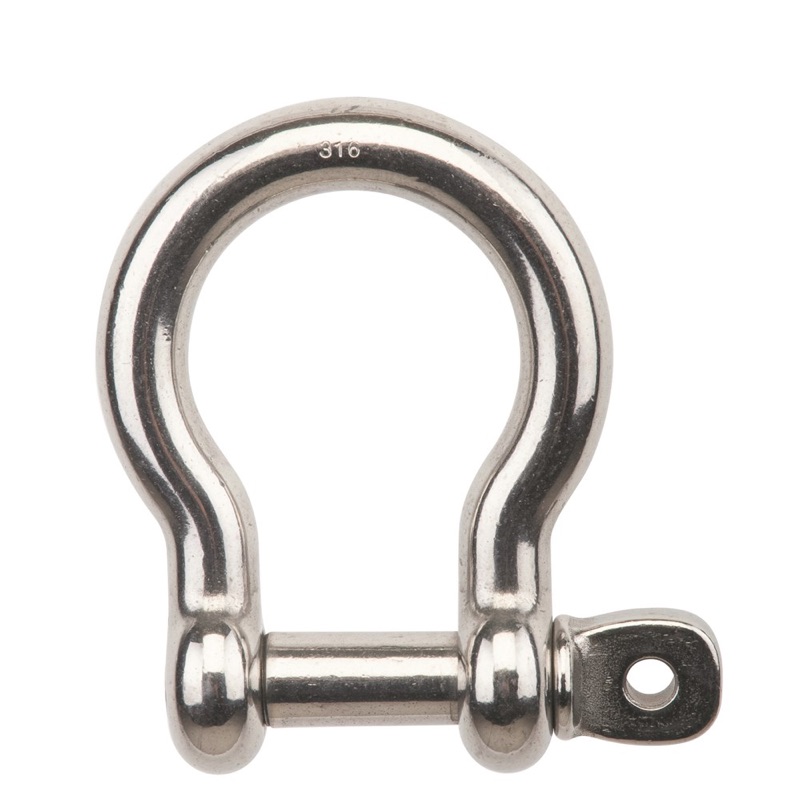
615506
Stainless6mm – 16mm6mm
6mm
- Beaver G316 Stainless Steel Bow Shackle 6mm
- Beaver G316 Stainless Steel Bow Shackle 8mm
- Beaver G316 Stainless Steel Bow Shackle 10mm
- Beaver G316 Stainless Steel Bow Shackle 12mm
- Beaver G316 Stainless Steel Bow Shackle 16mm
$4.40 inc GSTTrade $3.96, save $0.44
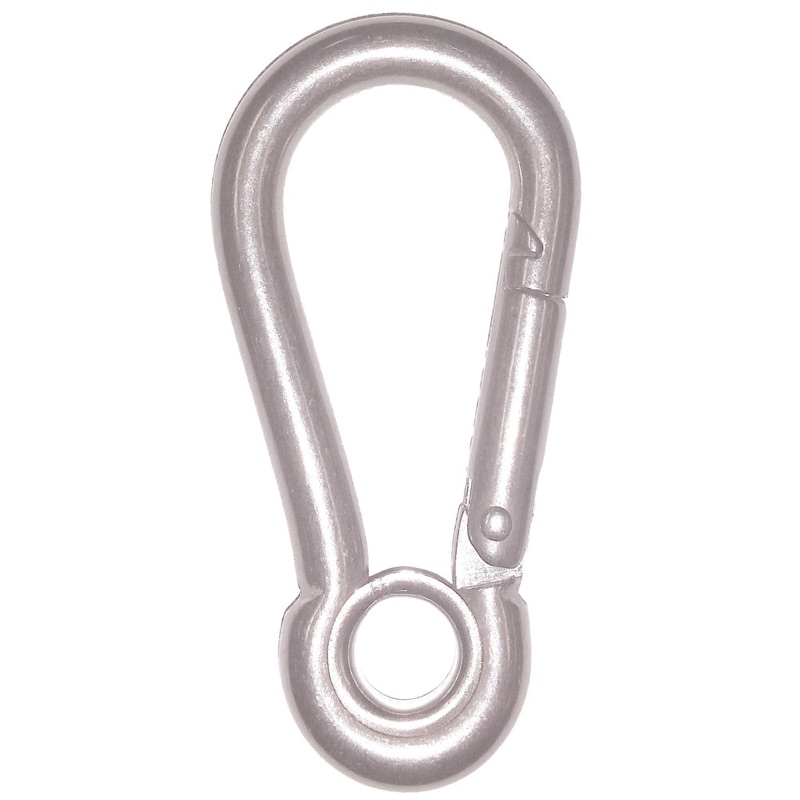
618305
Stainless5mm – 12mm316
5mm
- Beaver G316 Stainless Steel Carbine (Carabina) Eye Hook 5mm
- Beaver G316 Stainless Steel Carbine (Carabina) Eye Hook 6mm
- Beaver G316 Stainless Steel Carbine (Carabina) Eye Hook 8mm
- Beaver G316 Stainless Steel Carbine (Carabina) Eye Hook 10mm
- Beaver G316 Stainless Steel Carbine (Carabina) Eye Hook 12mm
$1.48 inc GSTTrade $1.33, save $0.15
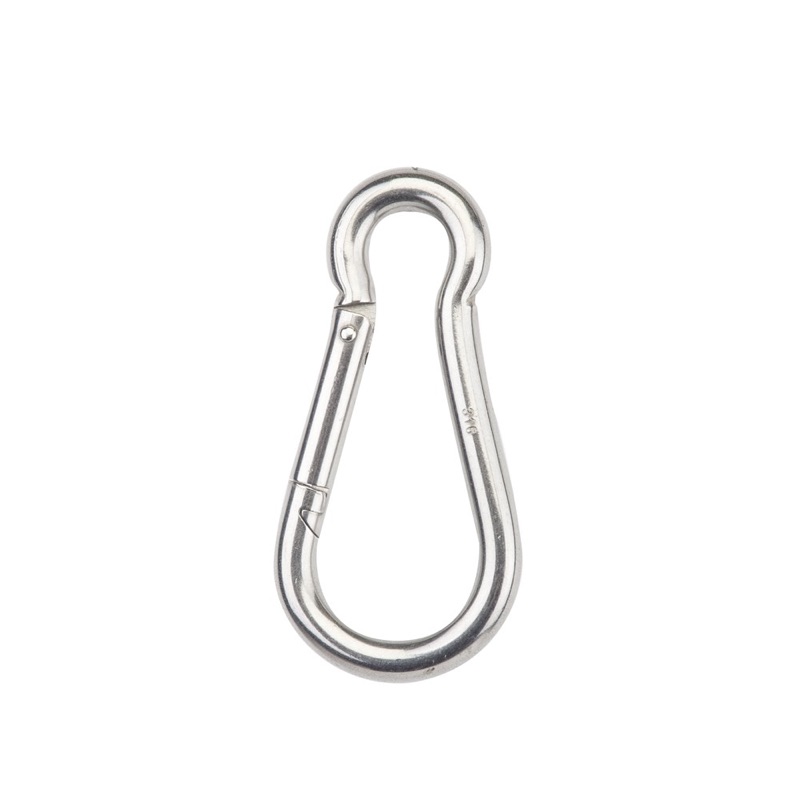
618204
Stainless4.5mm – 11mm316
4.5mm
- Beaver G316 Stainless Steel Carbine (Carabina) Hook 4.5mm
- Beaver G316 Stainless Steel Carbine (Carabina) Hook 5mm
- Beaver G316 Stainless Steel Carbine (Carabina) Hook 6mm
- Beaver G316 Stainless Steel Carbine (Carabina) Hook 8mm
- Beaver G316 Stainless Steel Carbine (Carabina) Hook 10mm
- Beaver G316 Stainless Steel Carbine (Carabina) Hook 11mm
$1.48 inc GSTTrade $1.33, save $0.15
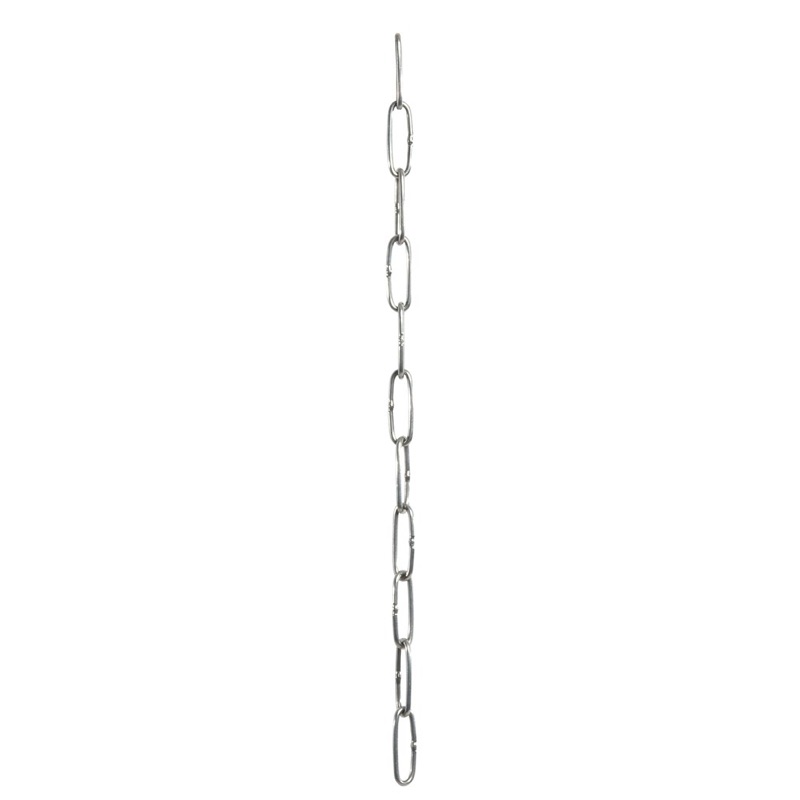
146102L
StainlessStainless Steel
2mm
$2.46 inc GSTTrade $2.21, save $0.25
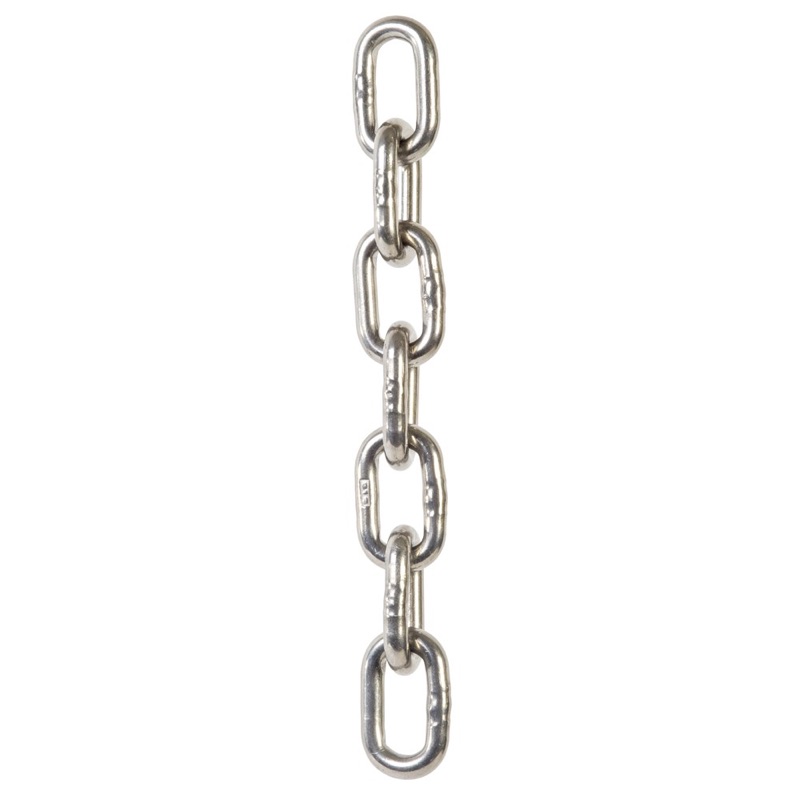
146102
Stainless2mm – 13mmStainless Steel
2mm
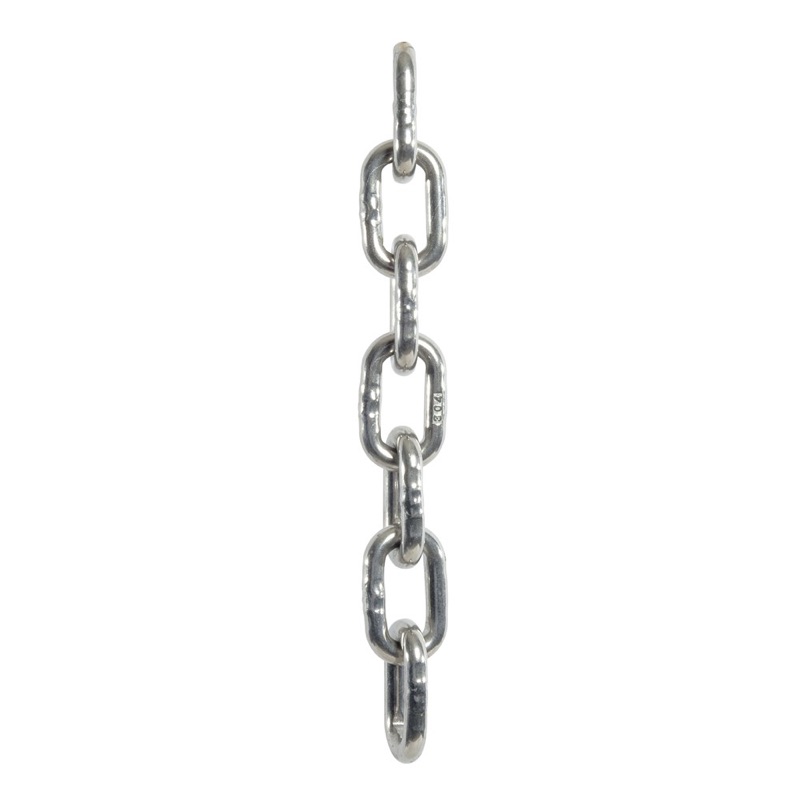
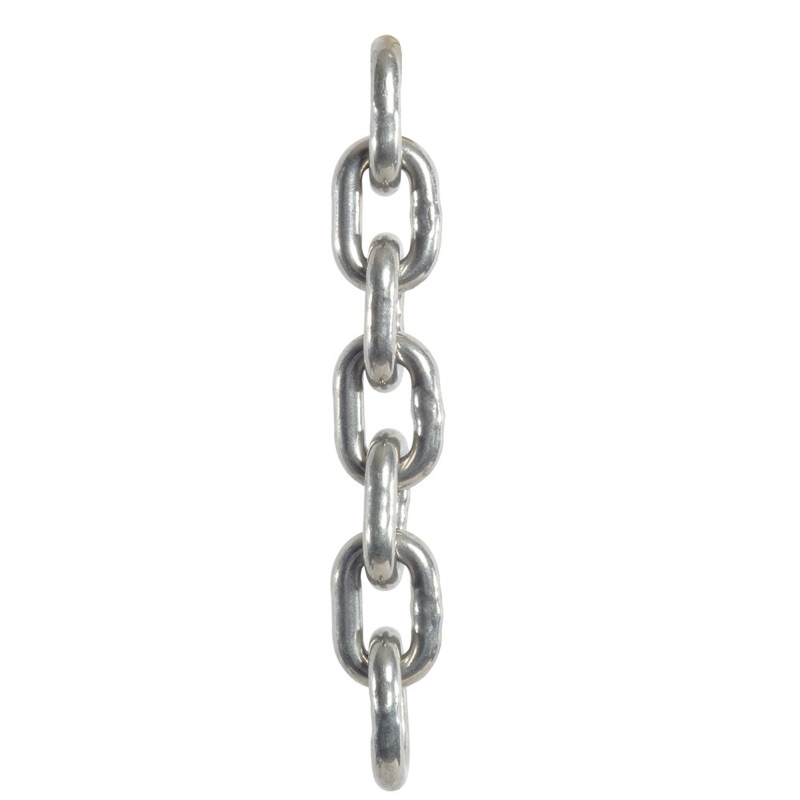
- Beaver G316 Stainless Steel Chain - Regular Link 2mm
- Beaver G316 Stainless Steel Chain - Regular Link 4mm
- Beaver G316 Stainless Steel Chain - Regular Link 6mm
- Beaver G316 Stainless Steel Chain - Regular Link 8mm
- Beaver G316 Stainless Steel Chain - Regular Link 10mm
- Beaver G316 Stainless Steel Chain - Regular Link 13mm
$10.34 inc GSTTrade $9.31, save $1.03
146206
Stainless6mm – 8mmStainless Steel
6mm
- Beaver G316 Stainless Steel Chain - Short Link 6mm
- Beaver G316 Stainless Steel Chain - Short Link 8mm
$23.61 inc GSTTrade $21.25, save $2.36
615405
Stainless5mm – 16mm5mm
5mm
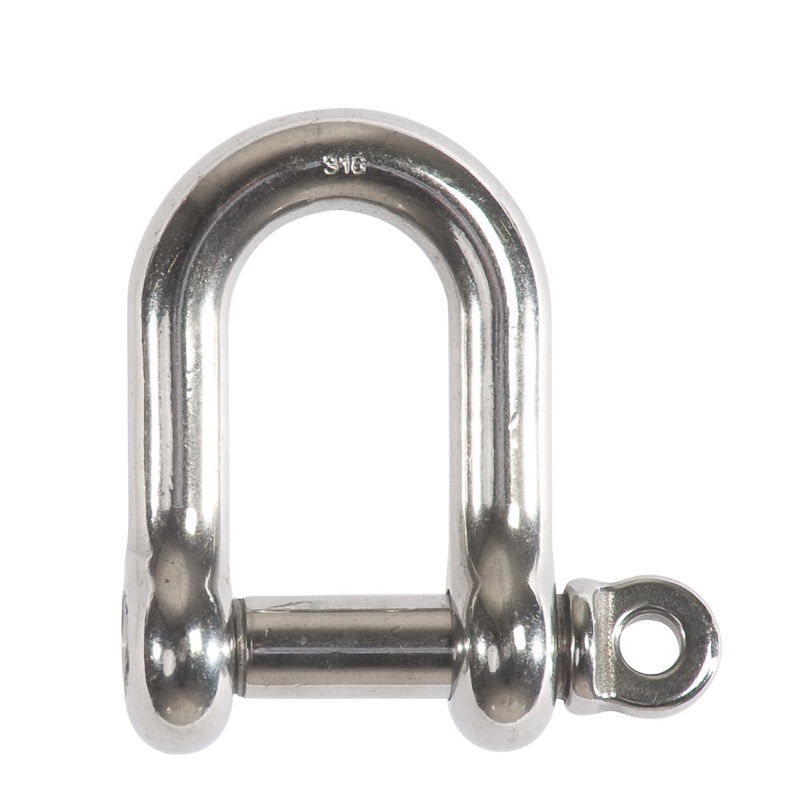
- Beaver G316 Stainless Steel Dee Shackle 5mm
- Beaver G316 Stainless Steel Dee Shackle 6mm
- Beaver G316 Stainless Steel Dee Shackle 8mm
- Beaver G316 Stainless Steel Dee Shackle 10mm
- Beaver G316 Stainless Steel Dee Shackle 12mm
- Beaver G316 Stainless Steel Dee Shackle 16mm
$3.72 inc GSTTrade $3.35, save $0.37
615305
Stainless5mm – 10mm5mm
5mm
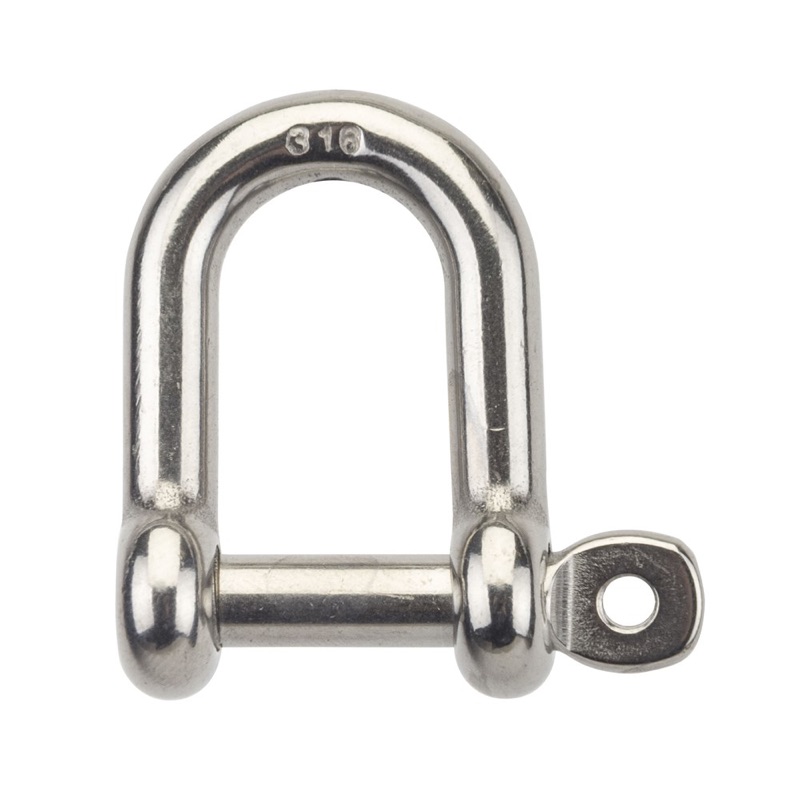
- Beaver G316 Stainless Steel Dee Shackle with Captive Pin 5mm
- Beaver G316 Stainless Steel Dee Shackle with Captive Pin 8mm
- Beaver G316 Stainless Steel Dee Shackle with Captive Pin 10mm
$2.06 inc GSTTrade $1.85, save $0.21
619106
Stainless6mm – 8mm316
6mm
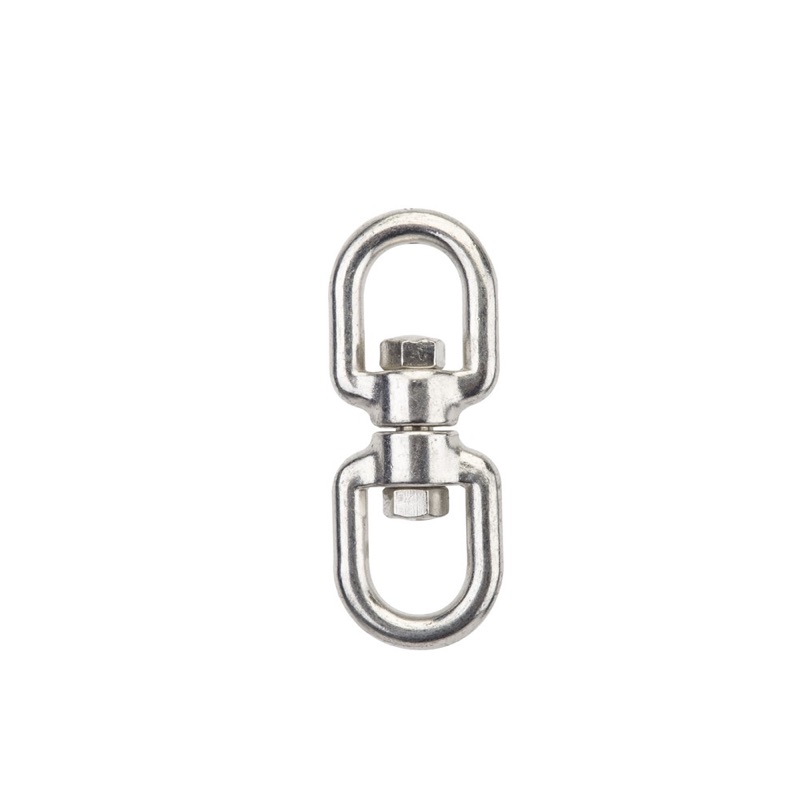
- Beaver G316 Stainless Steel Eye and Eye Swivel 6mm
- Beaver G316 Stainless Steel Eye and Eye Swivel 8mm
$7.16 inc GSTTrade $6.44, save $0.72
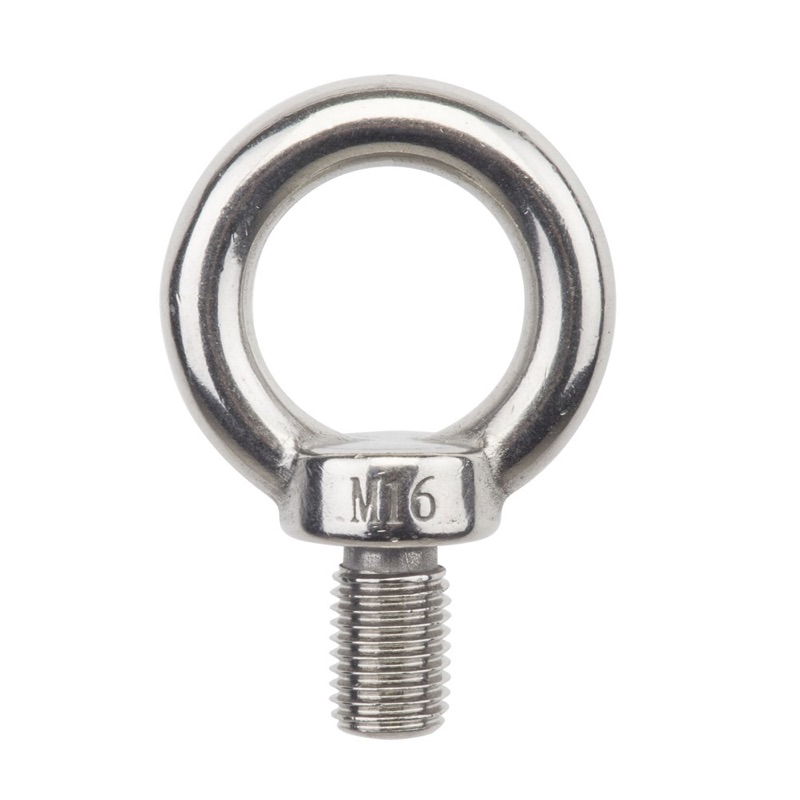
612406
Stainless6mm – 12mm316
Grade 316
- Beaver G316 Stainless Steel Eye Bolt 6mm
- Beaver G316 Stainless Steel Eye Bolt 8mm
- Beaver G316 Stainless Steel Eye Bolt 10mm
- Beaver G316 Stainless Steel Eye Bolt 12mm
$1.61 inc GSTTrade $1.45, save $0.16
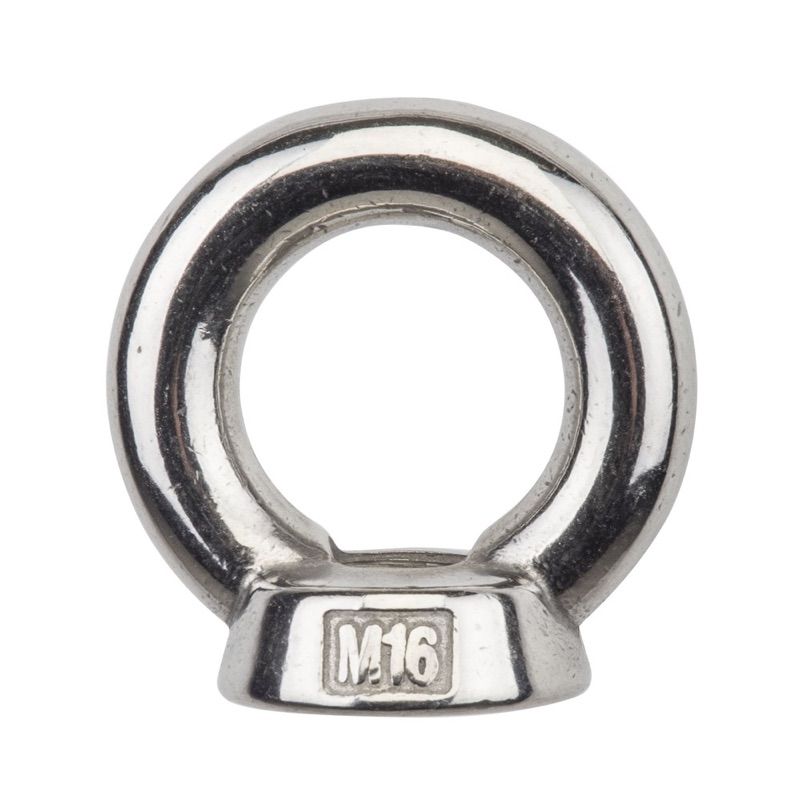
612506
Stainless6mm – 16mm316
Grade 316
- Beaver G316 Stainless Steel Eye Nut 6mm
- Beaver G316 Stainless Steel Eye Nut 8mm
- Beaver G316 Stainless Steel Eye Nut 10mm
- Beaver G316 Stainless Steel Eye Nut 12mm
- Beaver G316 Stainless Steel Eye Nut 16mm
$2.58 inc GSTTrade $2.32, save $0.26
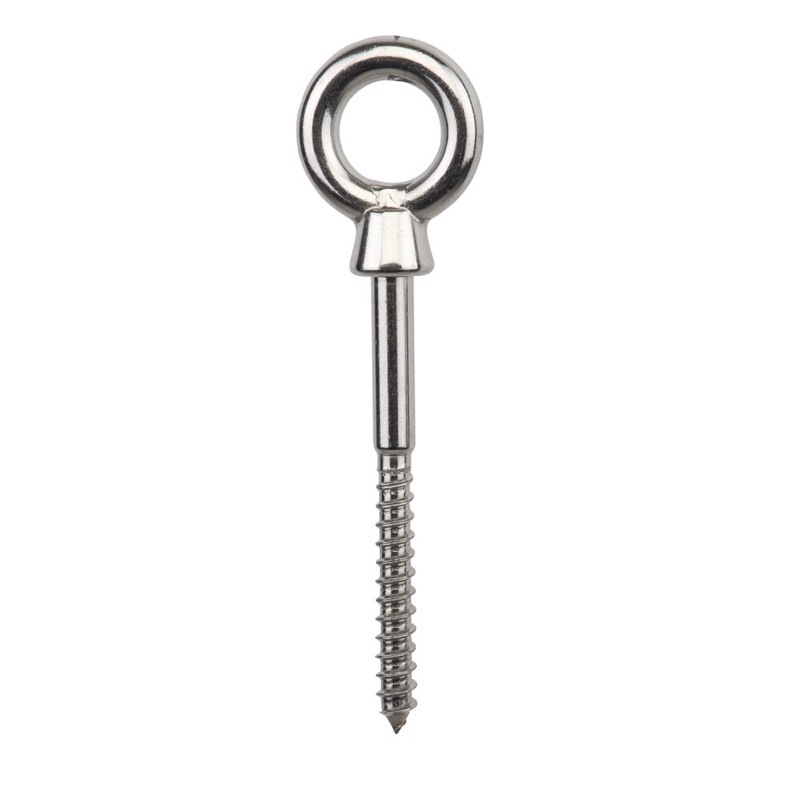
618060
Stainless6mm x 60mm – 8mm x 80mm316
6mm
$7.18 inc GSTTrade $6.46, save $0.72
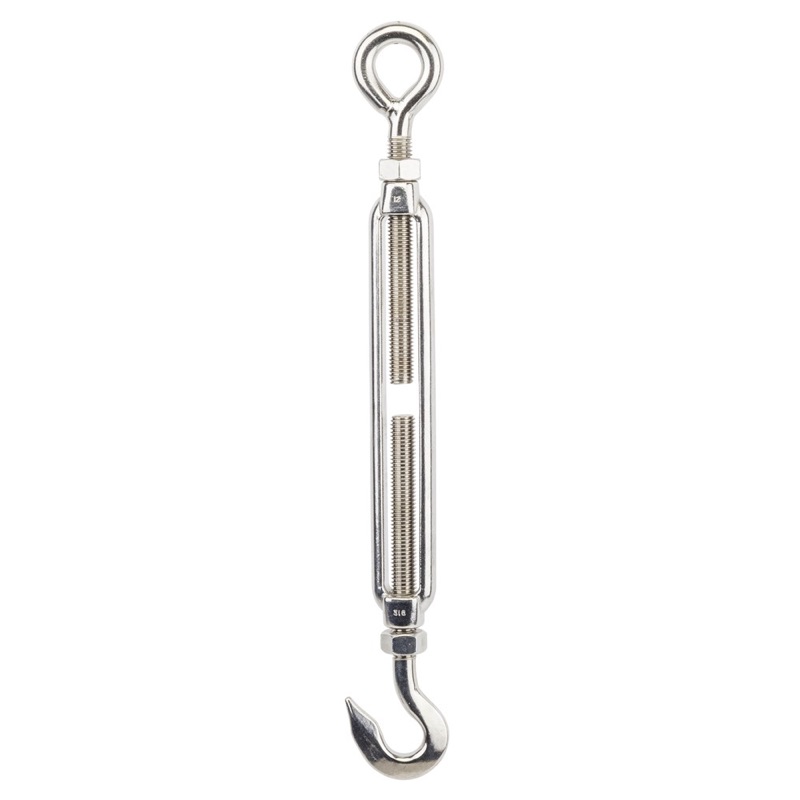
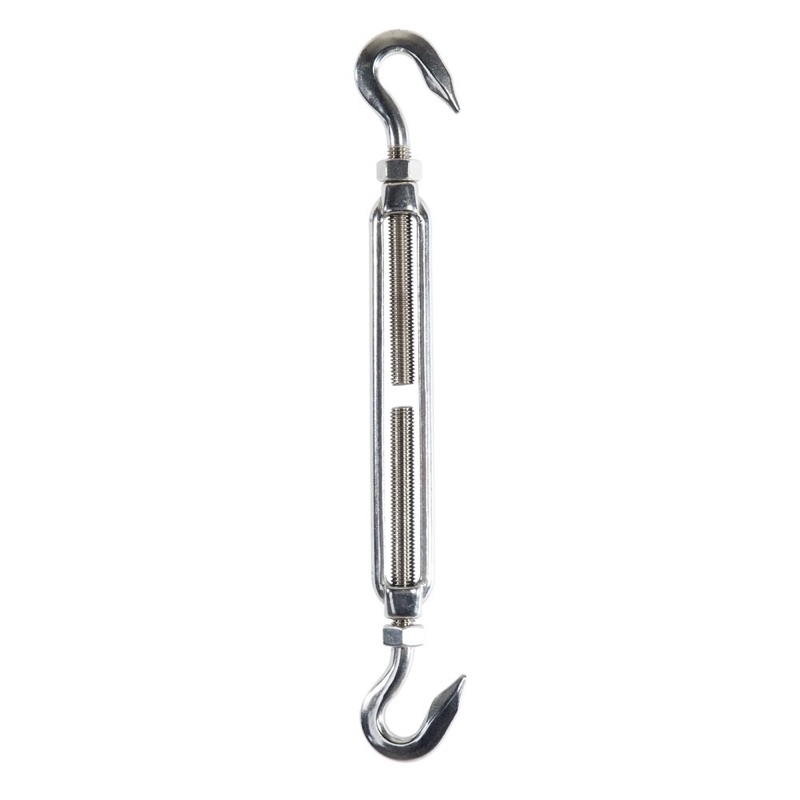
600404
Stainless4mm – 9mm316
4mm
- Beaver G316 Stainless Steel Hook and Eye Turnbuckles with Lock Nuts 4mm
- Beaver G316 Stainless Steel Hook and Eye Turnbuckles with Lock Nuts 5mm
- Beaver G316 Stainless Steel Hook and Eye Turnbuckles with Lock Nuts 6mm
- Beaver G316 Stainless Steel Hook and Eye Turnbuckles with Lock Nuts 8mm
- Beaver G316 Stainless Steel Hook and Eye Turnbuckles with Lock Nuts 9mm
$3.79 inc GSTTrade $3.41, save $0.38
601505
Stainless5mm – 10mm316
Grade 316
- Beaver G316 Stainless Steel Jaw and Jaw Bottle Screw with Lock Nuts 5mm
- Beaver G316 Stainless Steel Jaw and Jaw Bottle Screw with Lock Nuts 8mm
- Beaver G316 Stainless Steel Jaw and Jaw Bottle Screw with Lock Nuts 10mm
$15.14 inc GSTTrade $13.63, save $1.51
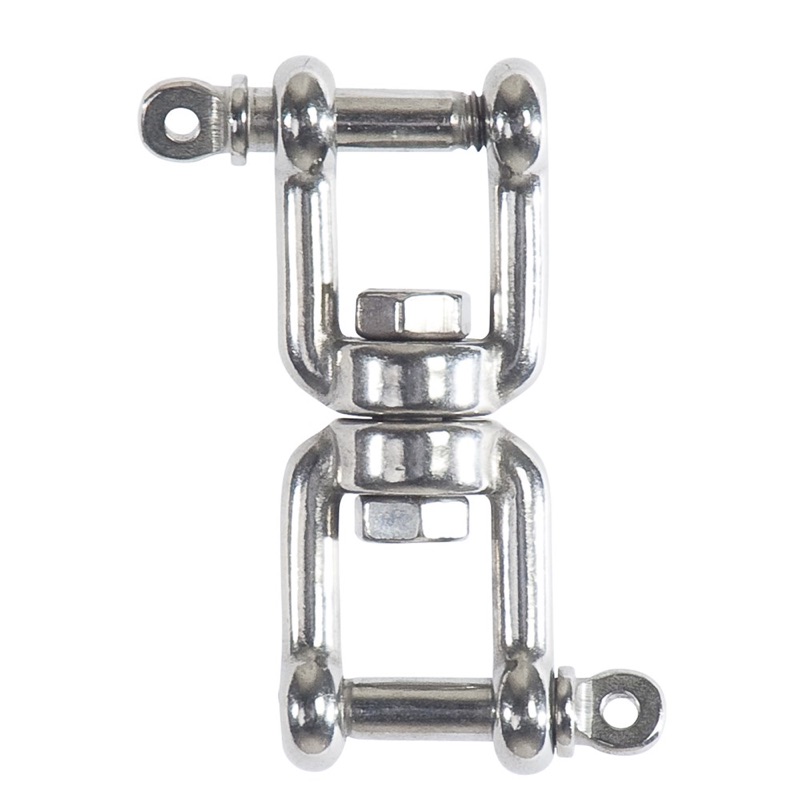
619306
Stainless6mm – 8mm316
6mm
- Beaver G316 Stainless Steel Jaw and Jaw Swivel 6mm
- Beaver G316 Stainless Steel Jaw and Jaw Swivel 8mm
$11.63 inc GSTTrade $10.47, save $1.16
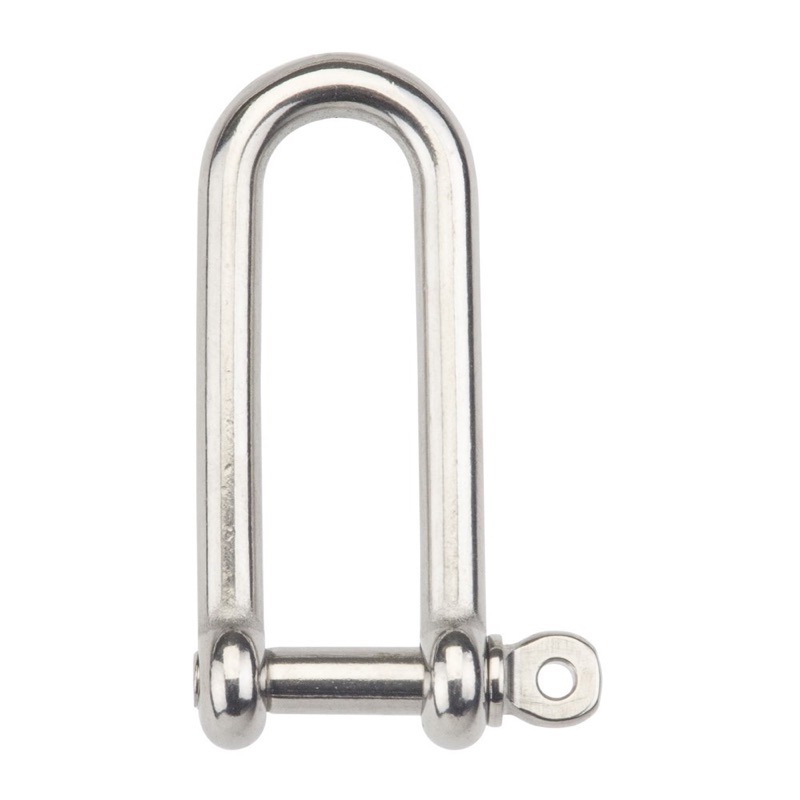
611406
Stainless6mm – 10mm6mm
6mm
$6.98 inc GSTTrade $6.28, save $0.70
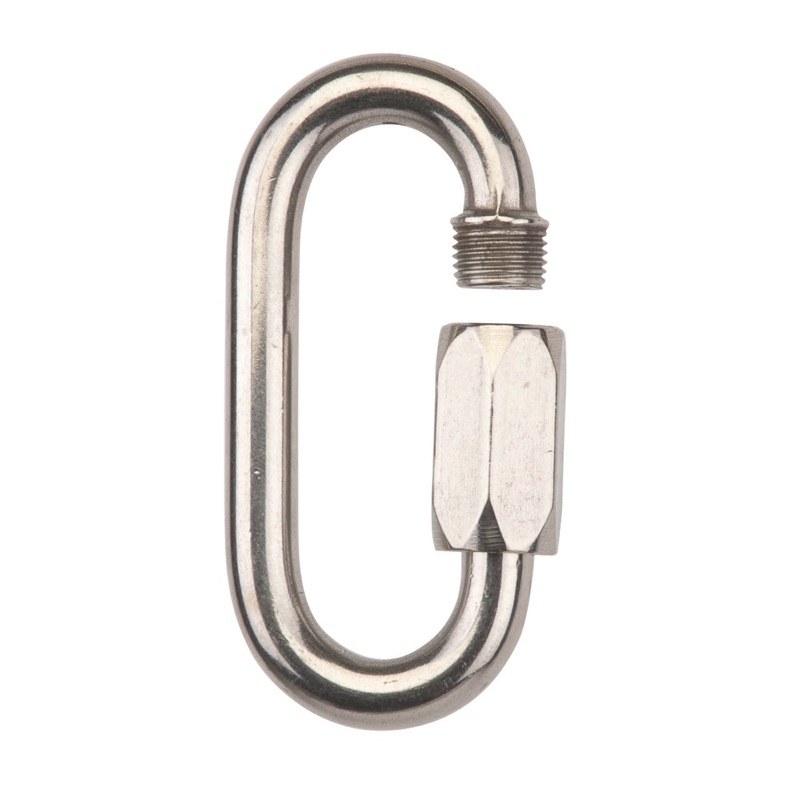
601606
Stainless6mm – 8mm316
6mm
$4.14 inc GSTTrade $3.73, save $0.41
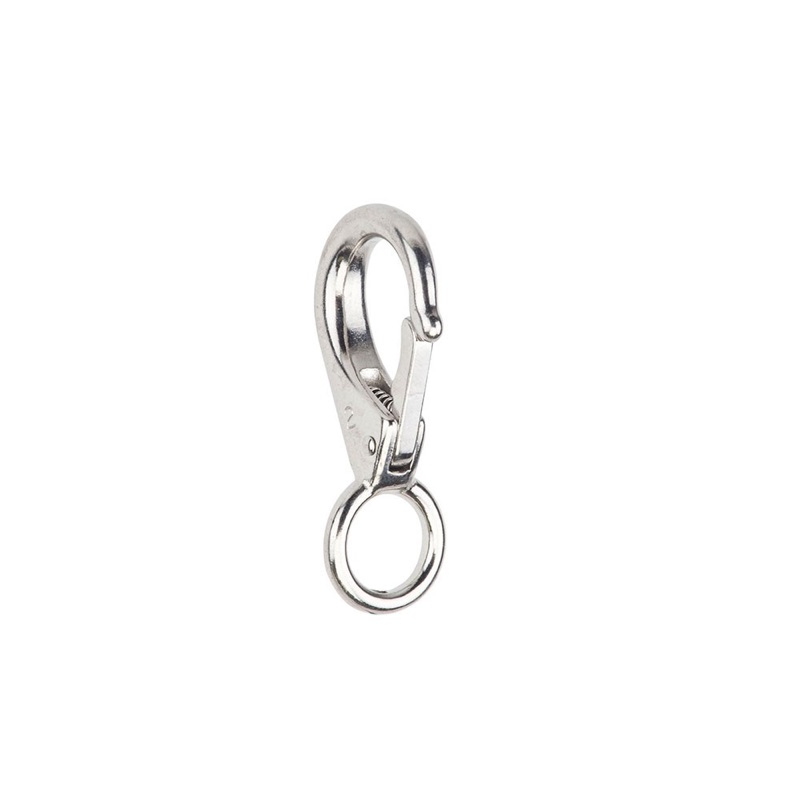
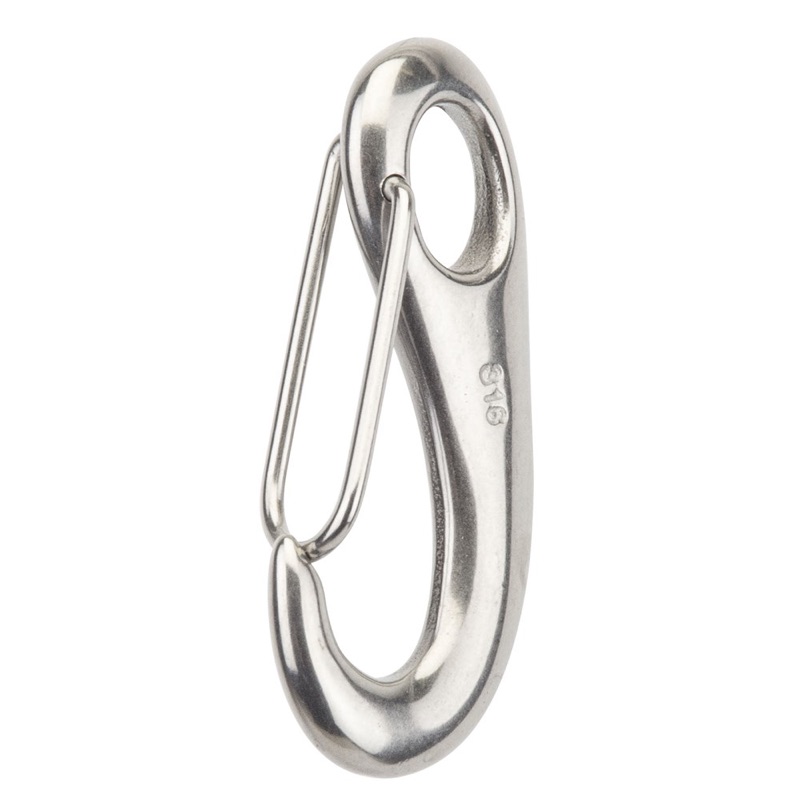
616705
Stainless5mm – 10mm316
5mm
- Beaver G316 Stainless Steel Spring Snap Hook 5mm
- Beaver G316 Stainless Steel Spring Snap Hook 7mm
- Beaver G316 Stainless Steel Spring Snap Hook 10mm
$2.10 inc GSTTrade $1.89, save $0.21
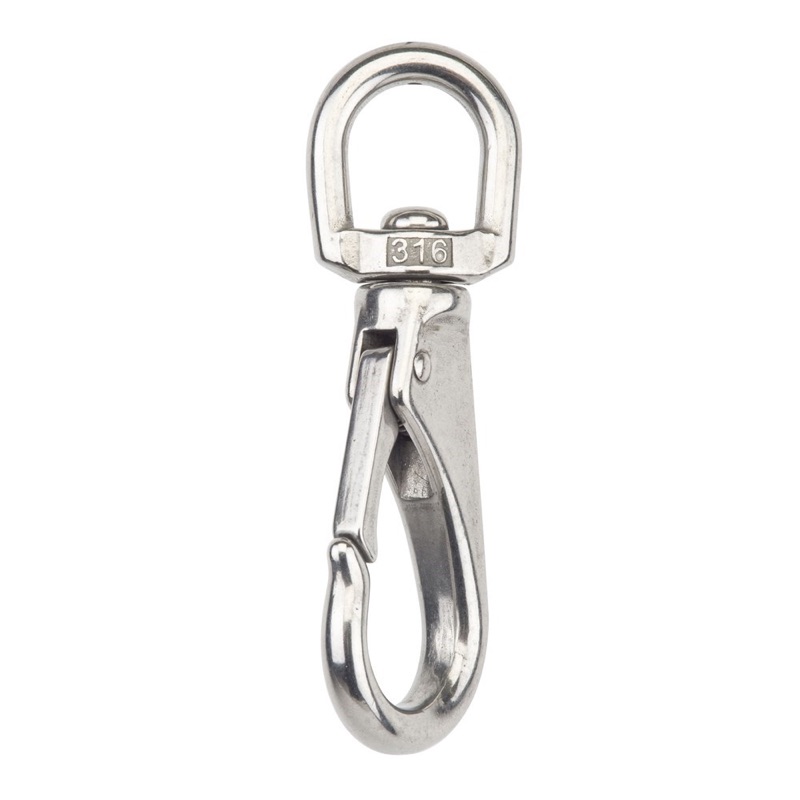
616825
Stainless316
25mm
$9.88 inc GSTTrade $8.89, save $0.99
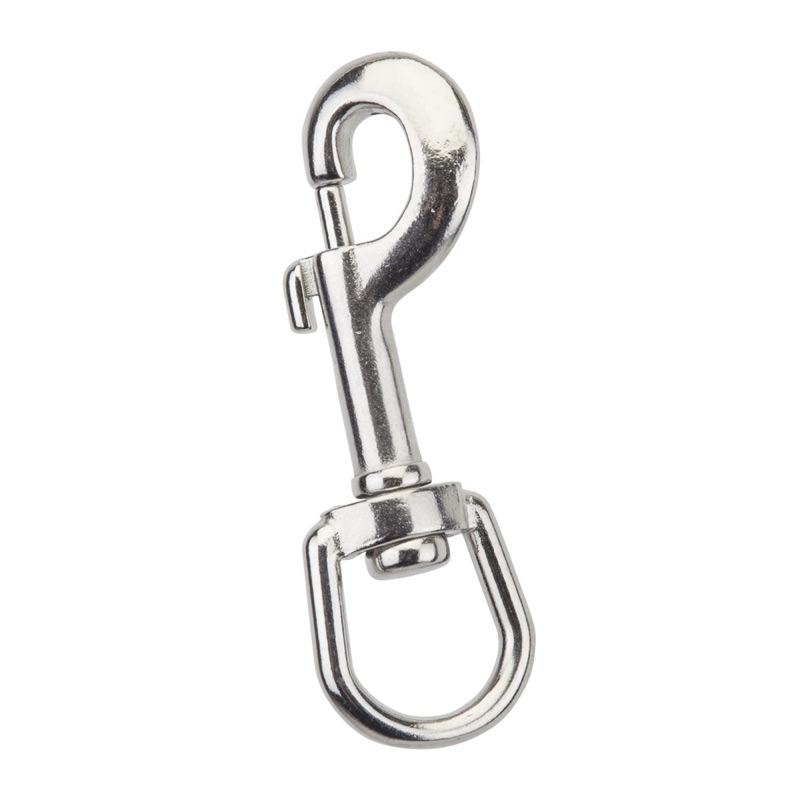
616995
Stainless316
16mm
$12.78 inc GSTTrade $11.50, save $1.28
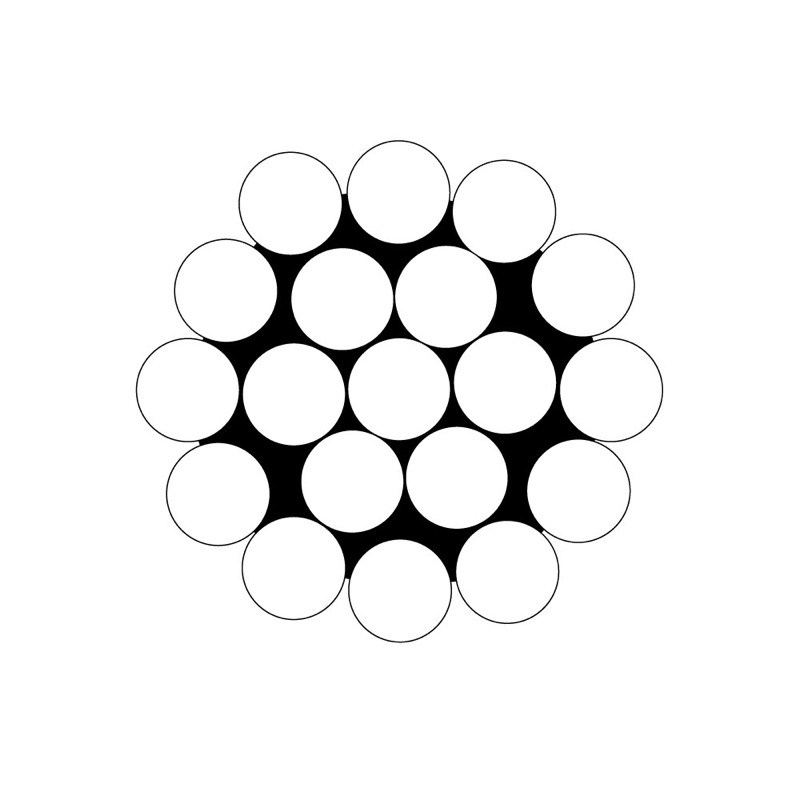
701130
Stainless3.2mm – 4mm316
3.2mm
$1.24 inc GSTTrade $1.12, save $0.12

720016
Stainless1.6mm – 8mm316
1.6mm
- Beaver G316 Stainless Steel Wire Rope - 7x19 1.6mm
- Beaver G316 Stainless Steel Wire Rope - 7x19 2.4mm
- Beaver G316 Stainless Steel Wire Rope - 7x19 3.2mm
- Beaver G316 Stainless Steel Wire Rope - 7x19 4mm
- Beaver G316 Stainless Steel Wire Rope - 7x19 5mm
- Beaver G316 Stainless Steel Wire Rope - 7x19 6mm
- Beaver G316 Stainless Steel Wire Rope - 7x19 8mm
$1.10 inc GSTTrade $0.99, save $0.11

702116
Stainless1.6mm – 8mm7x7
1.6mm
- Beaver G316 Stainless Steel Wire Rope - 7x7 1.6mm
- Beaver G316 Stainless Steel Wire Rope - 7x7 2mm
- Beaver G316 Stainless Steel Wire Rope - 7x7 3.2mm
- Beaver G316 Stainless Steel Wire Rope - 7x7 4mm
- Beaver G316 Stainless Steel Wire Rope - 7x7 5mm
- Beaver G316 Stainless Steel Wire Rope - 7x7 6.4mm
- Beaver G316 Stainless Steel Wire Rope - 7x7 8mm
$0.44 inc GSTTrade $0.40, save $0.04
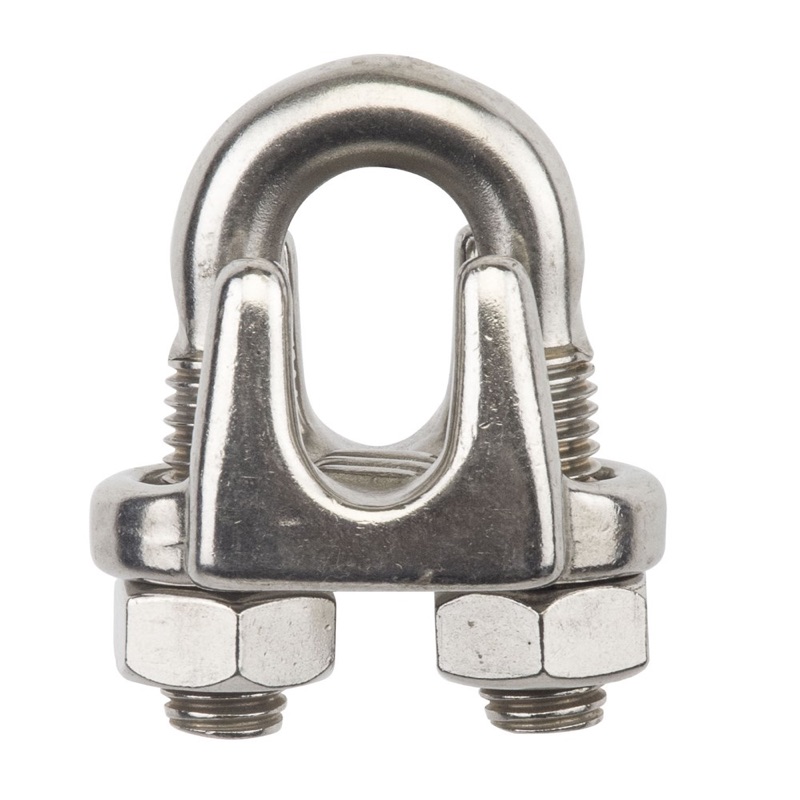
612202
Stainless2mm – 12mm316
Grade 316
- Beaver G316 Stainless Steel Wire Rope Grip 2mm
- Beaver G316 Stainless Steel Wire Rope Grip 3mm
- Beaver G316 Stainless Steel Wire Rope Grip 4mm
- Beaver G316 Stainless Steel Wire Rope Grip 5mm
- Beaver G316 Stainless Steel Wire Rope Grip 6mm
- Beaver G316 Stainless Steel Wire Rope Grip 8mm
- Beaver G316 Stainless Steel Wire Rope Grip 10mm
- Beaver G316 Stainless Steel Wire Rope Grip 12mm
$1.90 inc GSTTrade $1.71, save $0.19
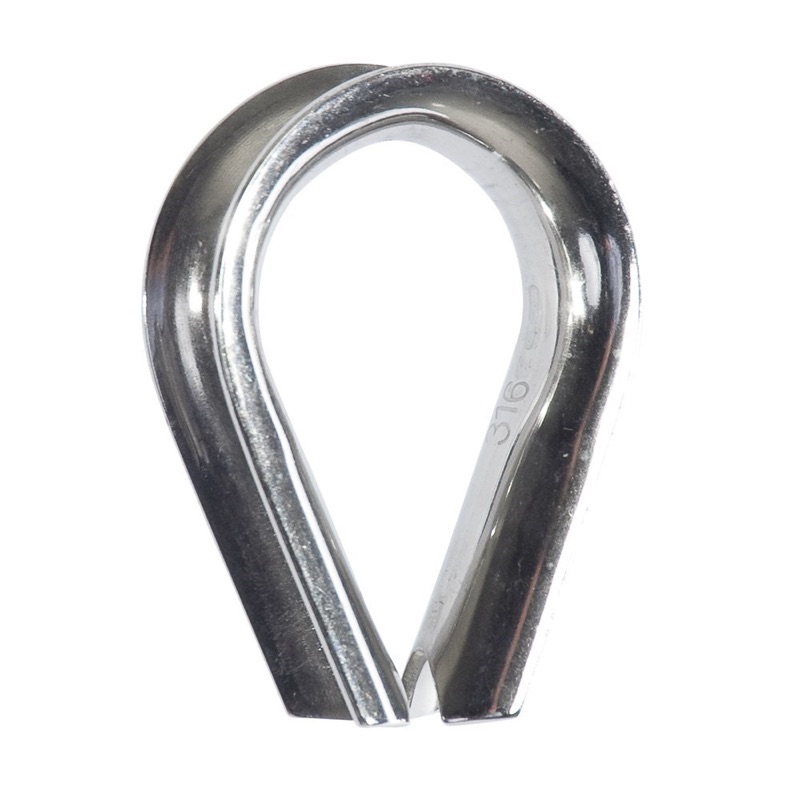
612302
Stainless2mm – 16mm316
Grade 316
- Beaver G316 Stainless Steel Wire Rope Thimble 2mm
- Beaver G316 Stainless Steel Wire Rope Thimble 3mm
- Beaver G316 Stainless Steel Wire Rope Thimble 4mm
- Beaver G316 Stainless Steel Wire Rope Thimble 5mm
- Beaver G316 Stainless Steel Wire Rope Thimble 6mm
- Beaver G316 Stainless Steel Wire Rope Thimble 8mm
- Beaver G316 Stainless Steel Wire Rope Thimble 10mm
- Beaver G316 Stainless Steel Wire Rope Thimble 12mm
- Beaver G316 Stainless Steel Wire Rope Thimble 16mm
$1.54 inc GSTTrade $1.39, save $0.15
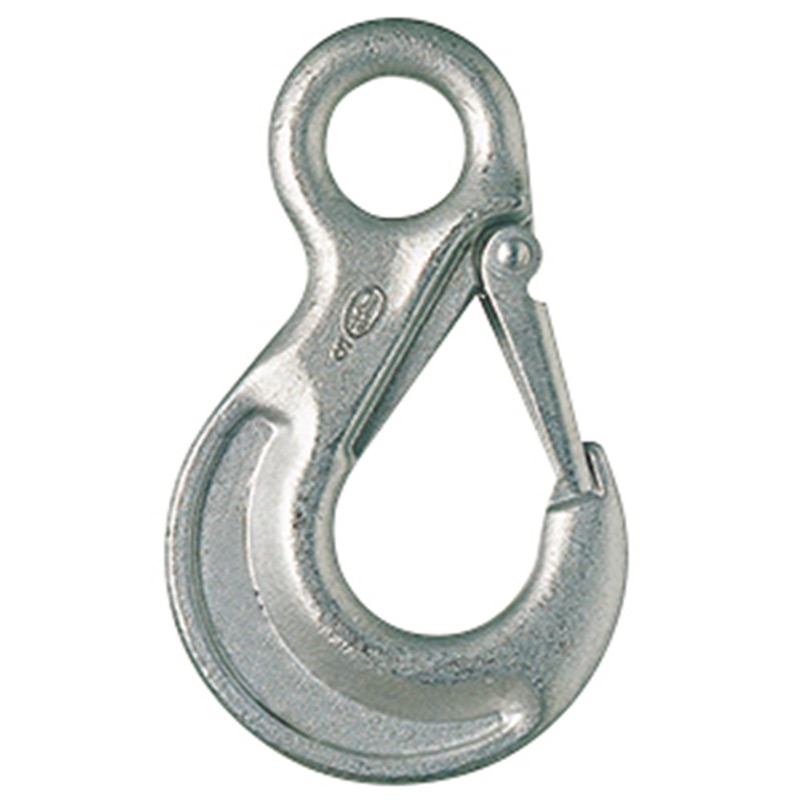
HSWI5
Stainless5mm – 7mm5mm
- Beaver G50 Stainless Steel Eye Sling Hook With Safety Latch 5mm
- Beaver G50 Stainless Steel Eye Sling Hook With Safety Latch 7mm
$120.58 inc GSTTrade $108.52, save $12.06
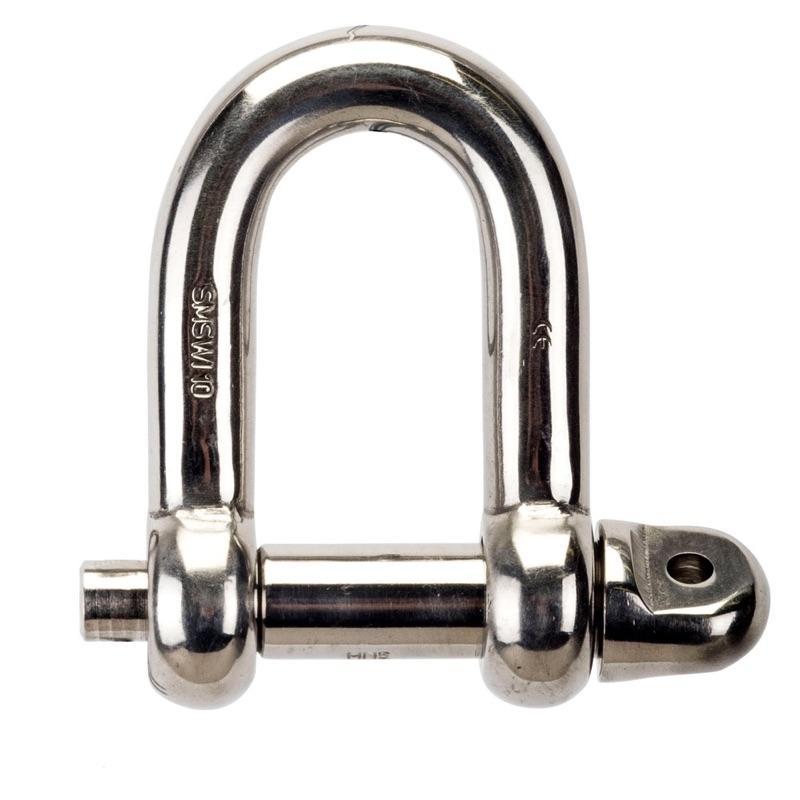
SMSWI16
Stainless5t16mm x 19mm
WLL 5t
$657.64 inc GSTTrade $591.88, save $65.76
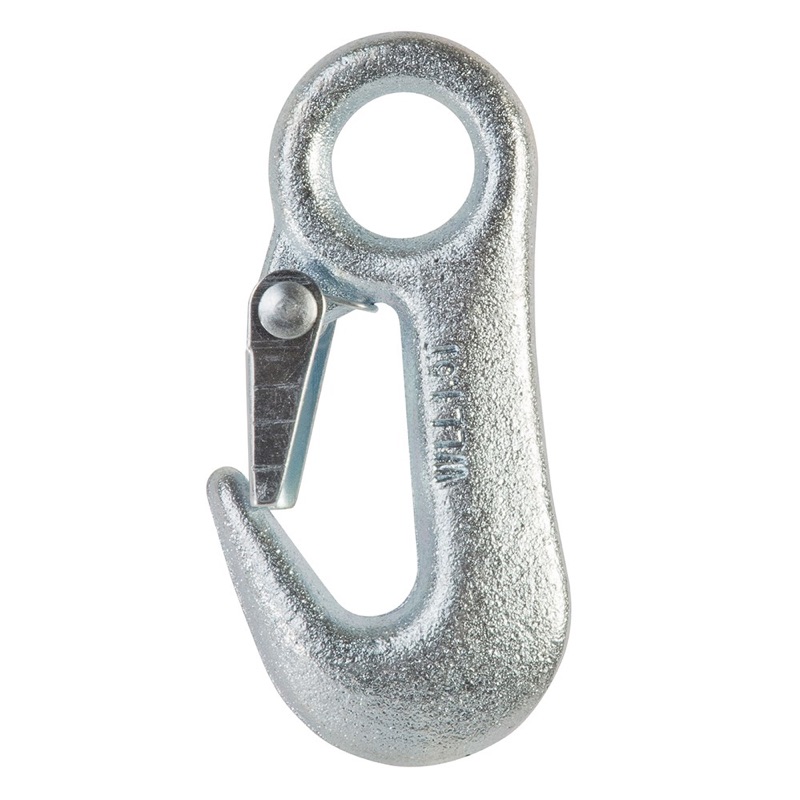
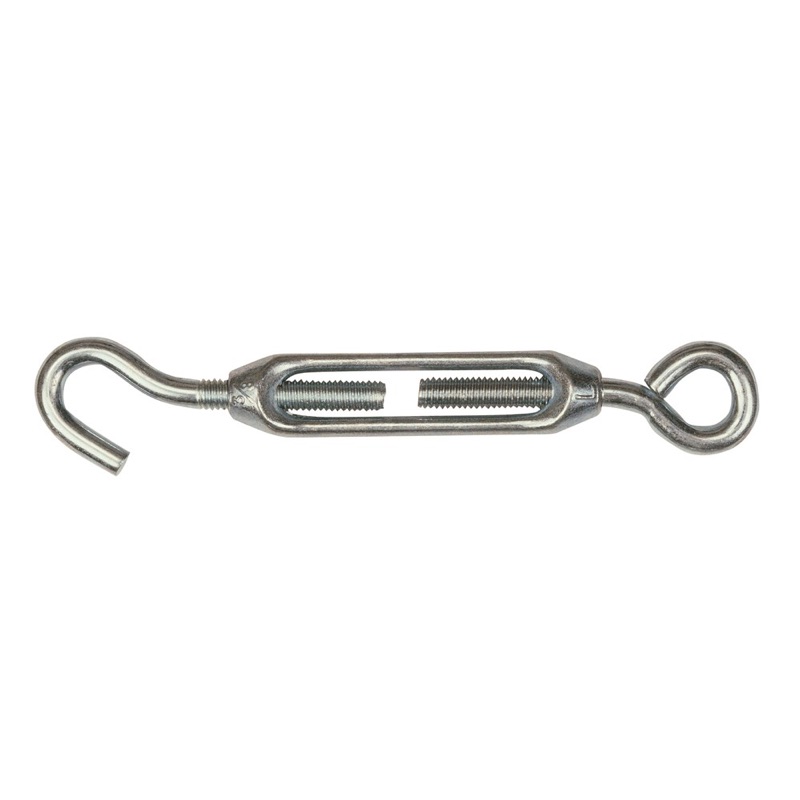
320205
5mm x Electro Plated – 8mm x Electro Plated5mmElectro Plated
- Beaver Hook and Eye CommercialTurnbuckles - Electro Plated 5mm x Electro Plated
- Beaver Hook and Eye CommercialTurnbuckles - Electro Plated 6mm x Electro Plated
- Beaver Hook and Eye CommercialTurnbuckles - Electro Plated 8mm x Electro Plated
$1.05 inc GSTTrade $0.95, save $0.10
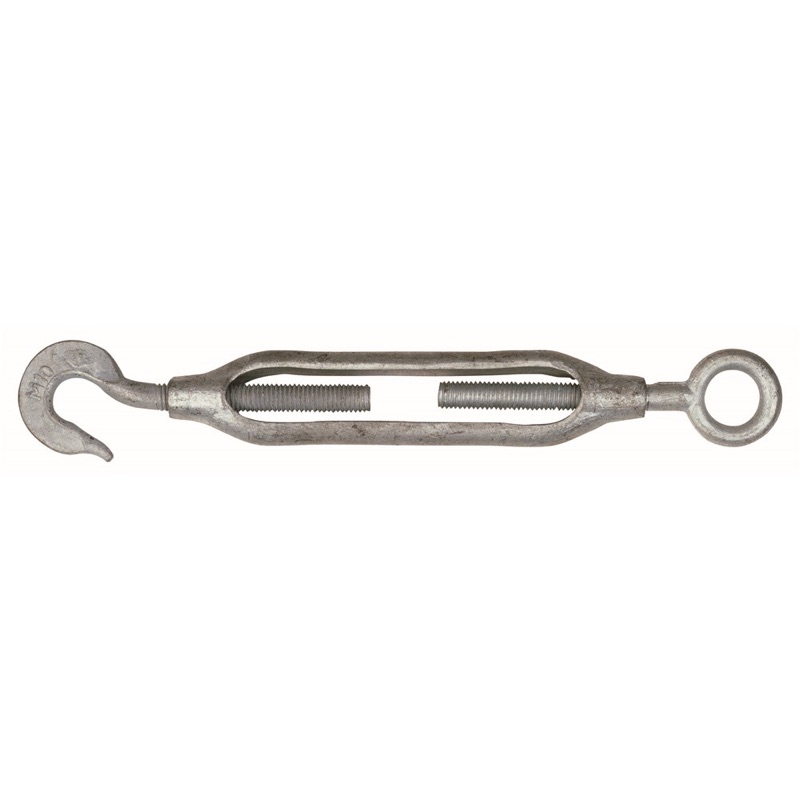
323206
Galvanised6mm – 25mm6mm
- Beaver Hook and Eye CommercialTurnbuckles - Galvanised 6mm
- Beaver Hook and Eye CommercialTurnbuckles - Galvanised 8mm
- Beaver Hook and Eye CommercialTurnbuckles - Galvanised 10mm
- Beaver Hook and Eye CommercialTurnbuckles - Galvanised 13mm
- Beaver Hook and Eye CommercialTurnbuckles - Galvanised 16mm
- Beaver Hook and Eye CommercialTurnbuckles - Galvanised 20mm
- Beaver Hook and Eye CommercialTurnbuckles - Galvanised 23mm
- Beaver Hook and Eye CommercialTurnbuckles - Galvanised 25mm
$3.53 inc GSTTrade $3.18, save $0.35
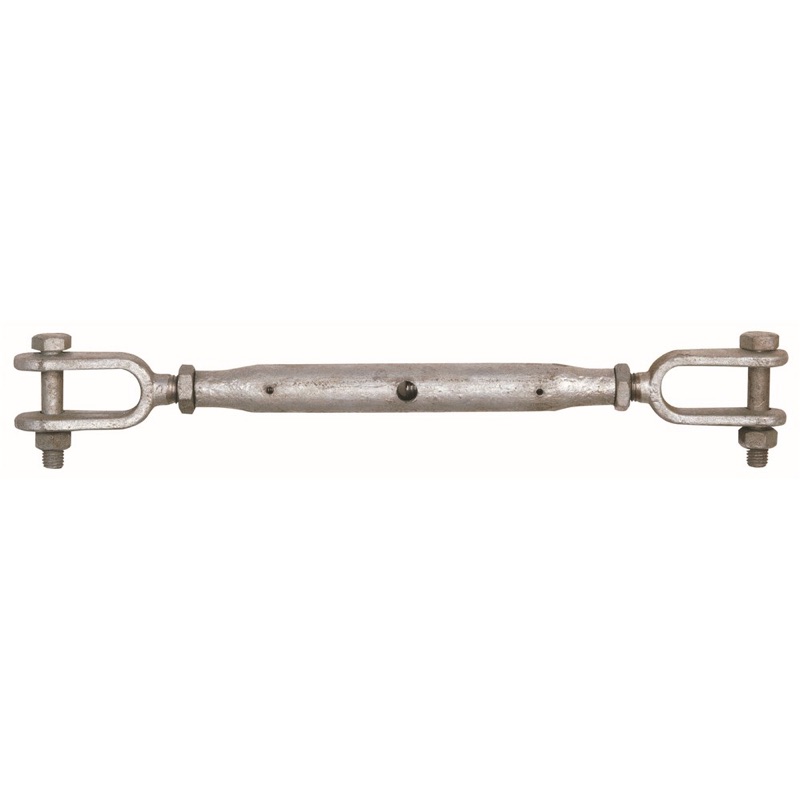
328310
10mm – 38mm10mmHot Dipped Galvanised
WLL 300kg · 10mm
- Beaver Jaw and Jaw Rigging Screws with Locknuts 10mm
- Beaver Jaw and Jaw Rigging Screws with Locknuts 13mm
- Beaver Jaw and Jaw Rigging Screws with Locknuts 16mm
- Beaver Jaw and Jaw Rigging Screws with Locknuts 20mm
- Beaver Jaw and Jaw Rigging Screws with Locknuts 24mm
- Beaver Jaw and Jaw Rigging Screws with Locknuts 38mm
$15.96 inc GSTTrade $14.36, save $1.60
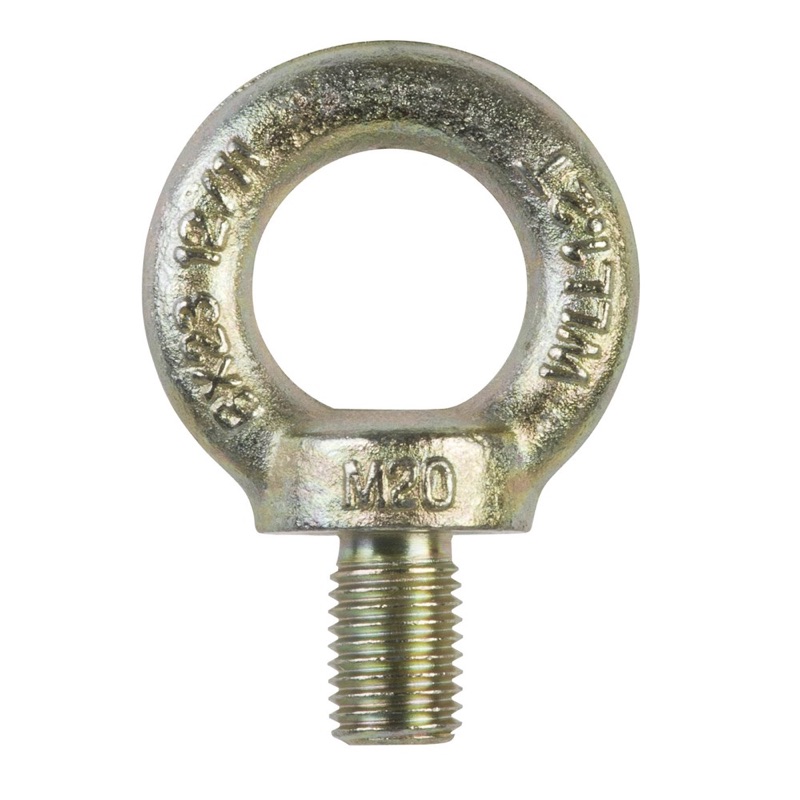
359108
8mm – 36mm8mmZinc Dichromate
WLL 140kg · 8mm
- Beaver Lifting Collared Eyebolts Large Eye with Metric Thread DIN580 8mm
- Beaver Lifting Collared Eyebolts Large Eye with Metric Thread DIN580 10mm
- Beaver Lifting Collared Eyebolts Large Eye with Metric Thread DIN580 12mm
- Beaver Lifting Collared Eyebolts Large Eye with Metric Thread DIN580 16mm
- Beaver Lifting Collared Eyebolts Large Eye with Metric Thread DIN580 20mm
- Beaver Lifting Collared Eyebolts Large Eye with Metric Thread DIN580 22mm
- Beaver Lifting Collared Eyebolts Large Eye with Metric Thread DIN580 24mm
- Beaver Lifting Collared Eyebolts Large Eye with Metric Thread DIN580 30mm
- Beaver Lifting Collared Eyebolts Large Eye with Metric Thread DIN580 36mm
$2.01 inc GSTTrade $1.81, save $0.20
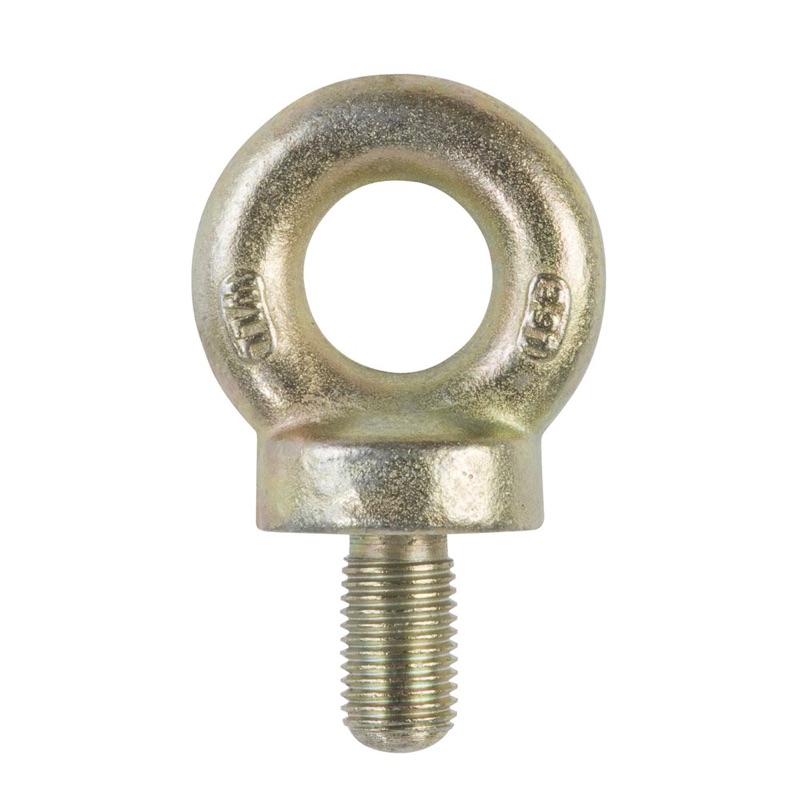
359008
8mm – 30mm8mmZinc Dichromate
WLL 150kg · 8mm
- Beaver Lifting Collared Eyebolts Small Eye with Metric Thread 8mm
- Beaver Lifting Collared Eyebolts Small Eye with Metric Thread 10mm
- Beaver Lifting Collared Eyebolts Small Eye with Metric Thread 12mm
- Beaver Lifting Collared Eyebolts Small Eye with Metric Thread 16mm
- Beaver Lifting Collared Eyebolts Small Eye with Metric Thread 20mm
- Beaver Lifting Collared Eyebolts Small Eye with Metric Thread 22mm
- Beaver Lifting Collared Eyebolts Small Eye with Metric Thread 24mm
- Beaver Lifting Collared Eyebolts Small Eye with Metric Thread 30mm
$2.79 inc GSTTrade $2.51, save $0.28
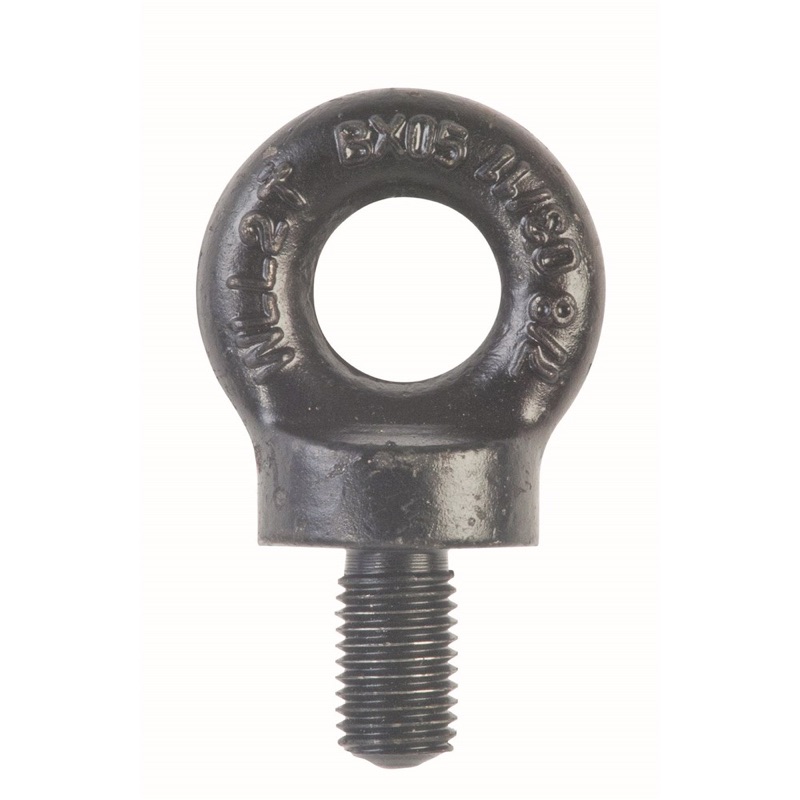
358028
1-1/8" – 7/8"1-1/8"Self Colour
WLL 3.5t
- Beaver Lifting Collared Eyebolts with B.S.W. Thread 1-1/8"
- Beaver Lifting Collared Eyebolts with B.S.W. Thread 1"
- Beaver Lifting Collared Eyebolts with B.S.W. Thread 1/1/4"
- Beaver Lifting Collared Eyebolts with B.S.W. Thread 1/2"
- Beaver Lifting Collared Eyebolts with B.S.W. Thread 3/4"
- Beaver Lifting Collared Eyebolts with B.S.W. Thread 3/8"
- Beaver Lifting Collared Eyebolts with B.S.W. Thread 5/8"
- Beaver Lifting Collared Eyebolts with B.S.W. Thread 7/8"
$31.97 inc GSTTrade $28.77, save $3.20
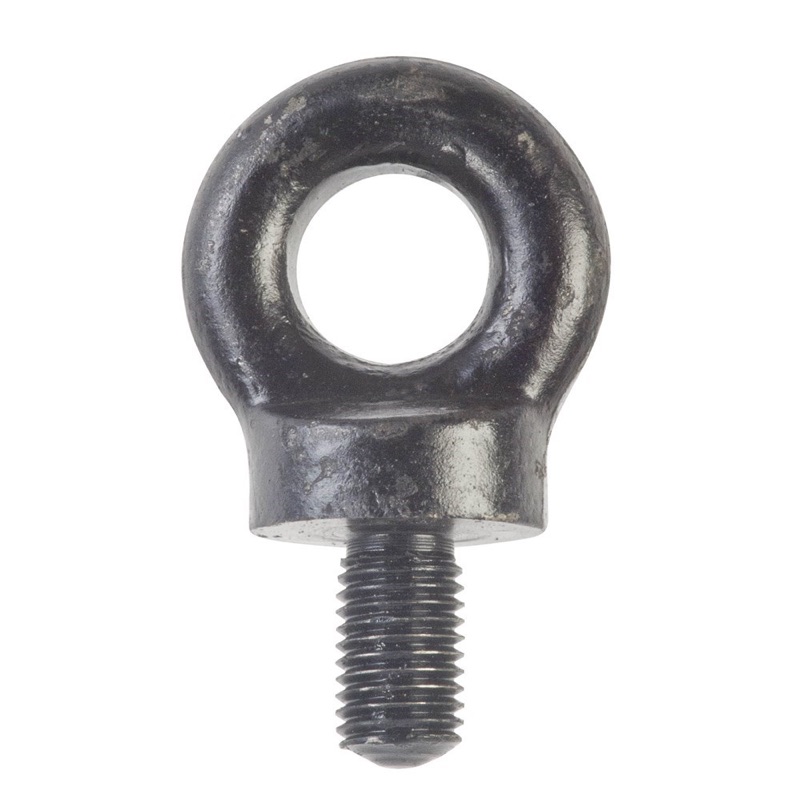
360038
1-1/2" – 7/8"1-1/2"Self Colour
WLL 7t
- Beaver Lifting Collared Eyebolts with UNC Thread 1-1/2"
- Beaver Lifting Collared Eyebolts with UNC Thread 1-1/4"
- Beaver Lifting Collared Eyebolts with UNC Thread 1"
- Beaver Lifting Collared Eyebolts with UNC Thread 1/2"
- Beaver Lifting Collared Eyebolts with UNC Thread 3/4"
- Beaver Lifting Collared Eyebolts with UNC Thread 3/8"
- Beaver Lifting Collared Eyebolts with UNC Thread 5/8"
- Beaver Lifting Collared Eyebolts with UNC Thread 7/8"
$433.56 inc GSTTrade $390.20, save $43.36
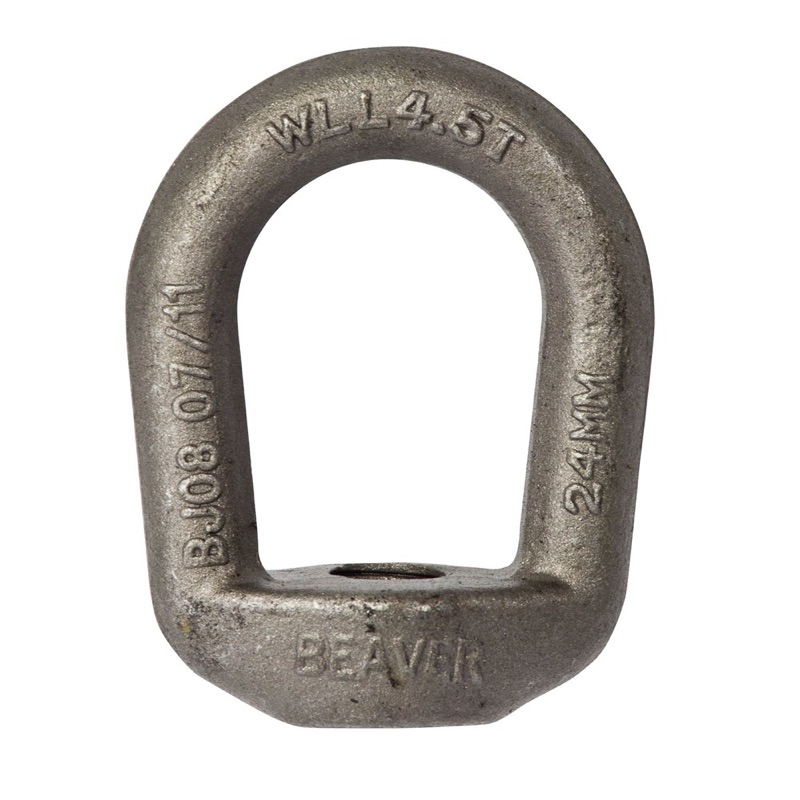
360024
4.5t24mmSelf Colour
WLL 4.5t · 24mm
$26.77 inc GSTTrade $24.09, save $2.68
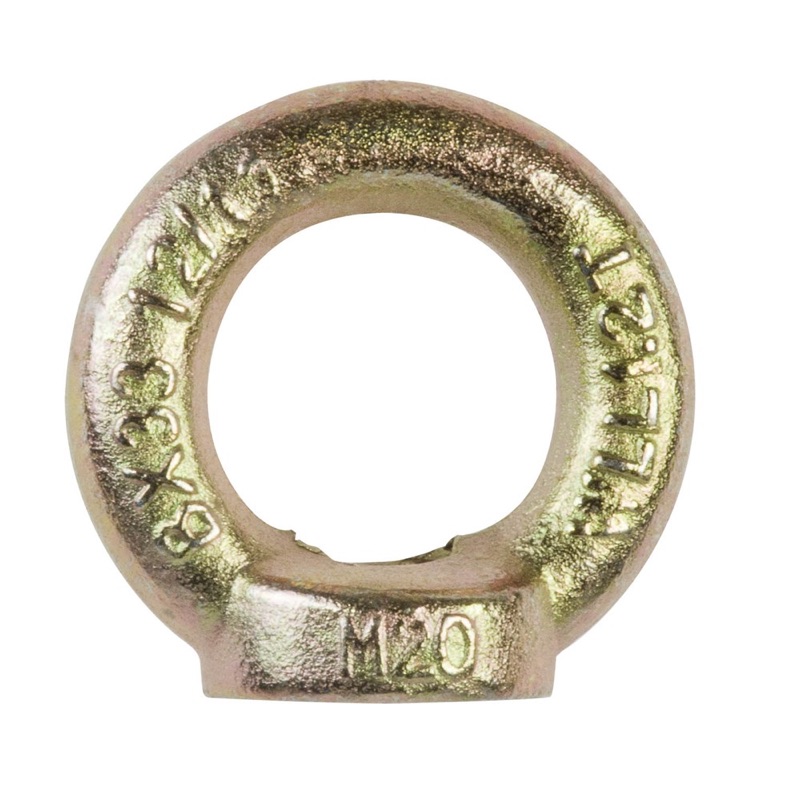
359208
8mm – 24mm8mmZinc Dichromate
WLL 140kg · 8mm
- Beaver Metric Shouldered Eye Nuts 8mm
- Beaver Metric Shouldered Eye Nuts 10mm
- Beaver Metric Shouldered Eye Nuts 12mm
- Beaver Metric Shouldered Eye Nuts 16mm
- Beaver Metric Shouldered Eye Nuts 20mm
- Beaver Metric Shouldered Eye Nuts 22mm
- Beaver Metric Shouldered Eye Nuts 24mm
$1.13 inc GSTTrade $1.02, save $0.11
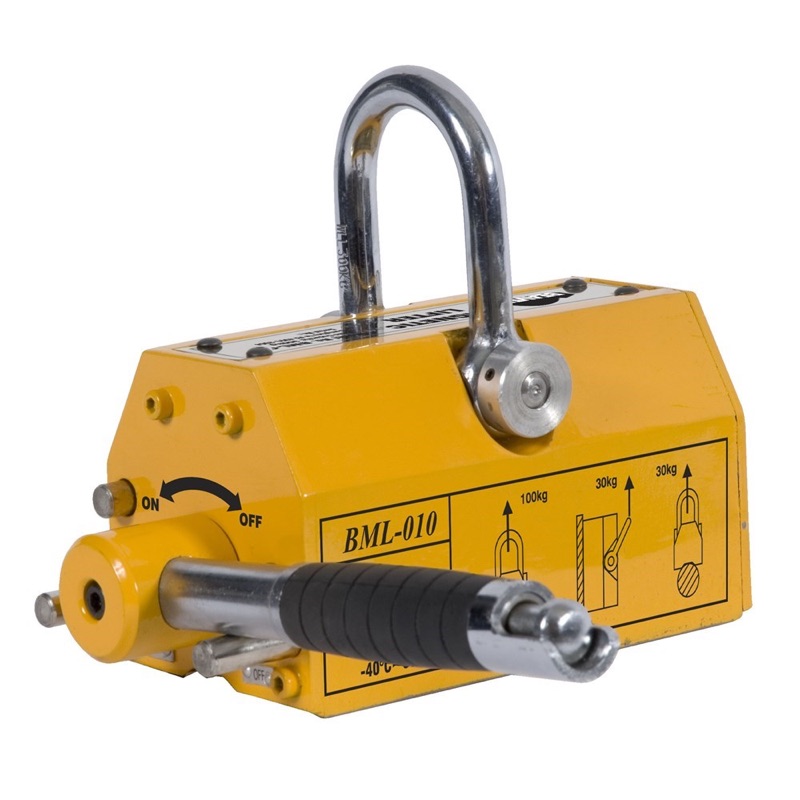
420603
3.5mm – 8mm3.5mmElectro Galvanised
3.5mm
$0.42 inc GSTTrade $0.38, save $0.04
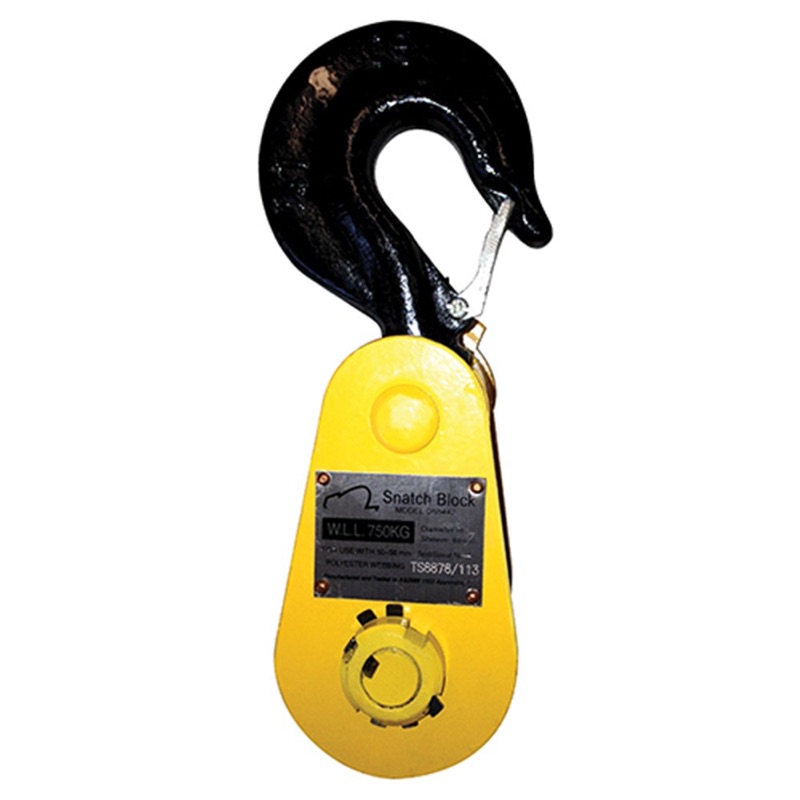
550063
63mm – 152mm5mm
WLL 250kg
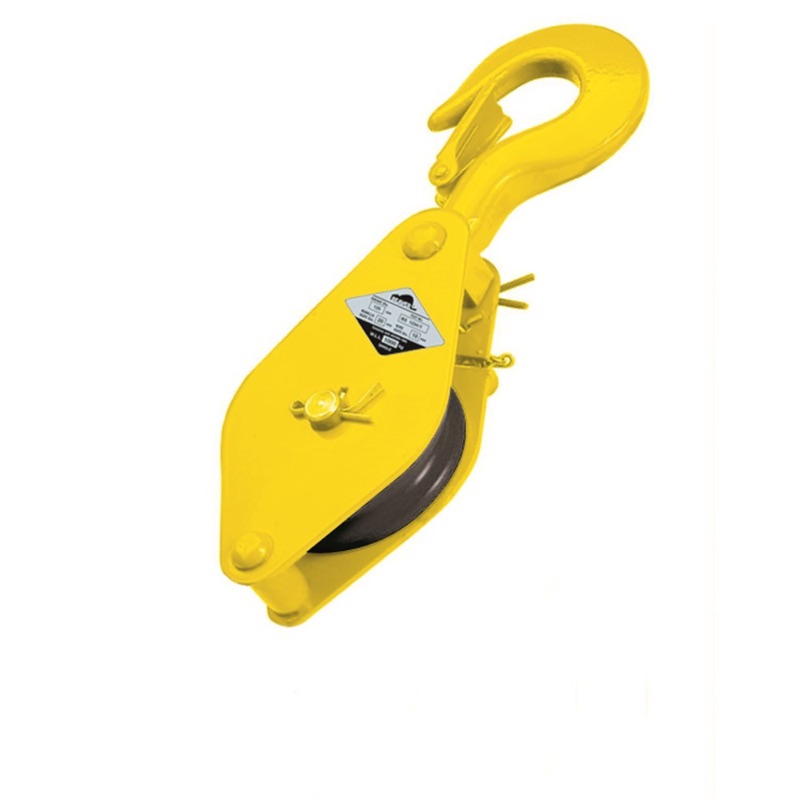
- Beaver Single-Hand Operated Sheave Blocks with Swivel Hook 63mm
- Beaver Single-Hand Operated Sheave Blocks with Swivel Hook 76mm
- Beaver Single-Hand Operated Sheave Blocks with Swivel Hook 102mm
- Beaver Single-Hand Operated Sheave Blocks with Swivel Hook 152mm
$94.20 inc GSTTrade $84.78, save $9.42
425204
4mm – 10mmElectro Galvanised
4mm
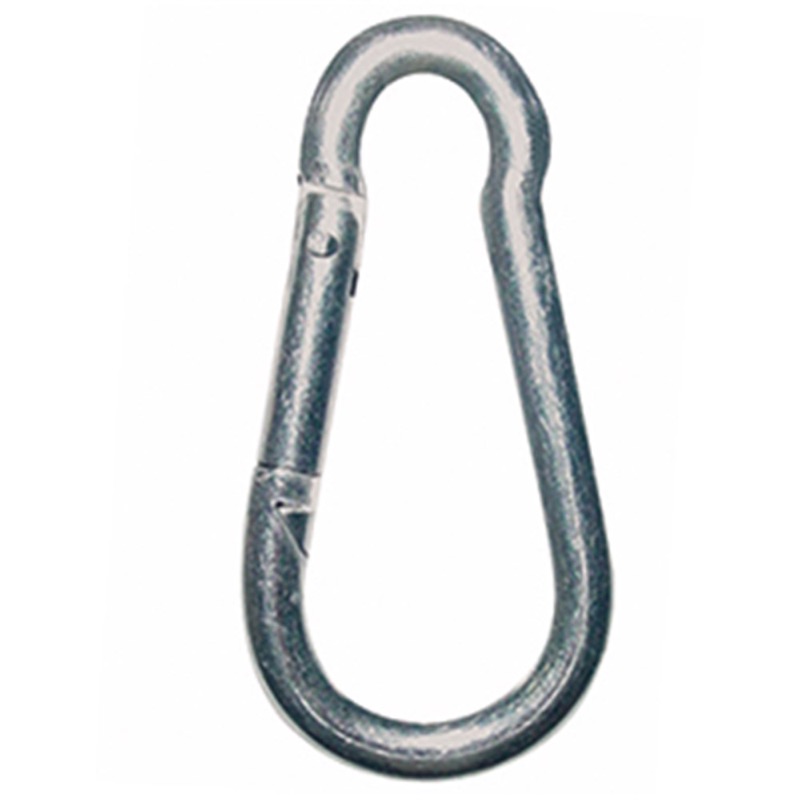
- Beaver Snap Hooks 4mm
- Beaver Snap Hooks 5mm
- Beaver Snap Hooks 6mm
- Beaver Snap Hooks 7mm
- Beaver Snap Hooks 8mm
- Beaver Snap Hooks 10mm
$0.54 inc GSTTrade $0.49, save $0.05
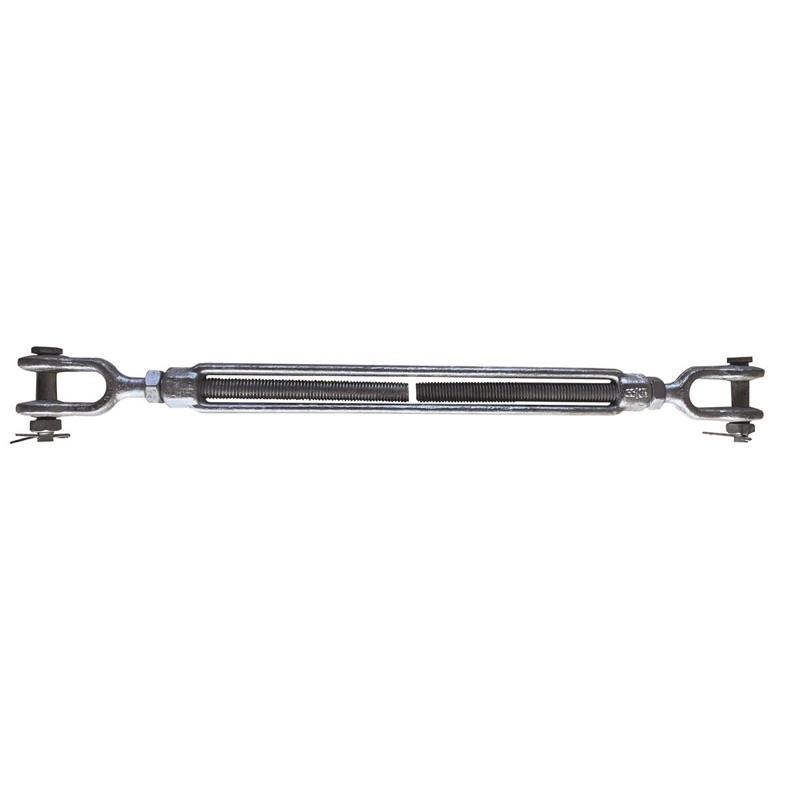
322425
1" – 7/8"Galvanised
- Beaver Super Buckles Jaw and Jaw with Lock Nuts 1"
- Beaver Super Buckles Jaw and Jaw with Lock Nuts 1/2"
- Beaver Super Buckles Jaw and Jaw with Lock Nuts 3/4"
- Beaver Super Buckles Jaw and Jaw with Lock Nuts 5/8"
- Beaver Super Buckles Jaw and Jaw with Lock Nuts 7/8"
$79.25 inc GSTTrade $71.33, save $7.92
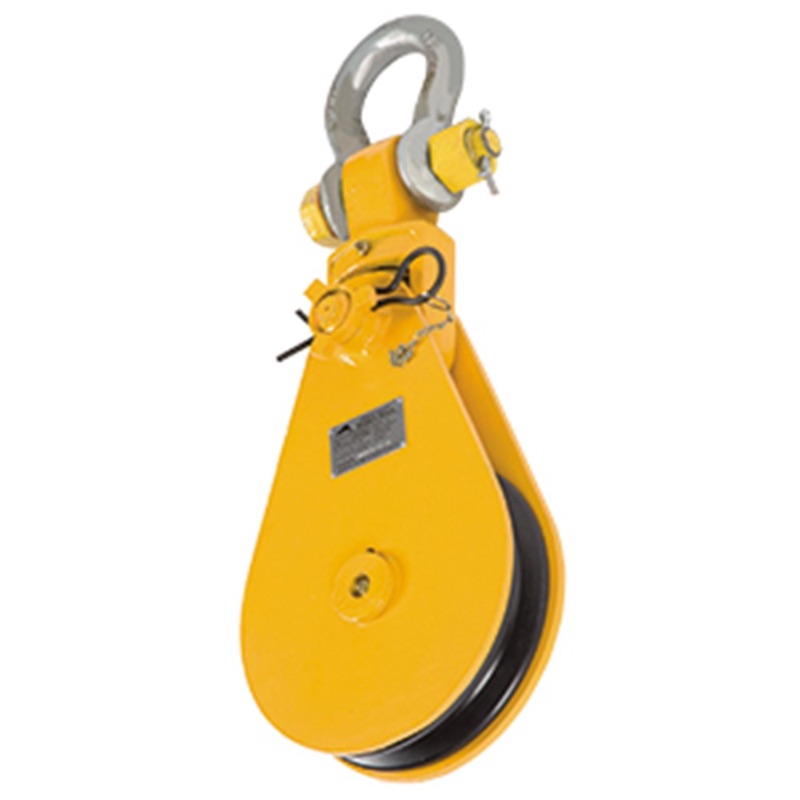
557210S
210mm x 12mm – 420mm x 26mm12mm
- Beaver Super Snatch Blocks 210mm x 12mm
- Beaver Super Snatch Blocks 275mm x 16mm
- Beaver Super Snatch Blocks 395mm x 22mm
- Beaver Super Snatch Blocks 420mm x 26mm
$519.41 inc GSTTrade $467.47, save $51.94
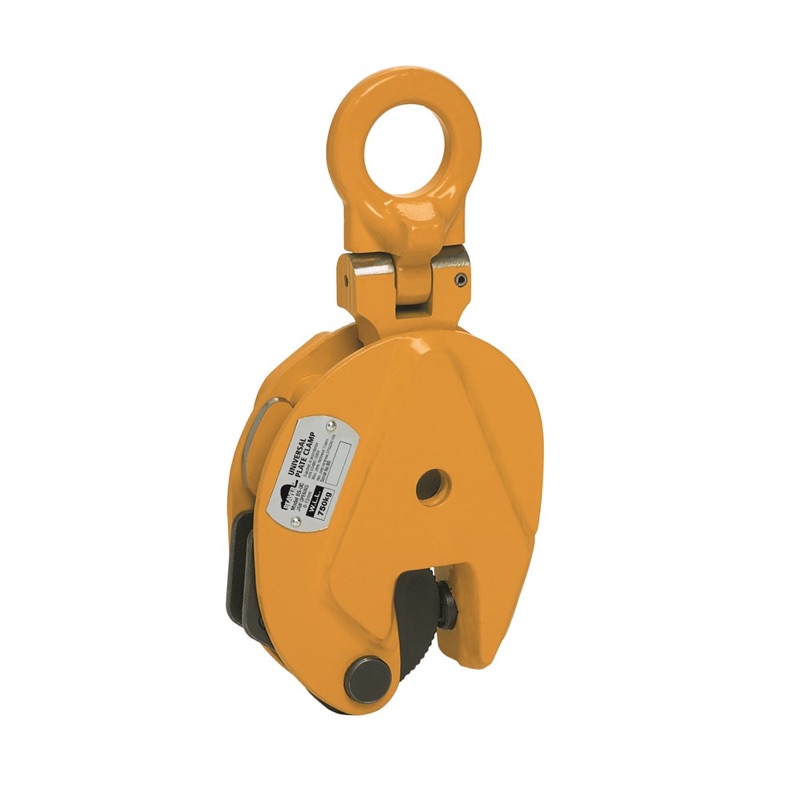
261050
0.5t – 5t
WLL 500kg
- Beaver UC Universal Plate Clamps 0.5t
- Beaver UC Universal Plate Clamps 0.75t
- Beaver UC Universal Plate Clamps 1t
- Beaver UC Universal Plate Clamps 2t
- Beaver UC Universal Plate Clamps 3t
- Beaver UC Universal Plate Clamps 5t
$121.93 inc GSTTrade $109.74, save $12.19
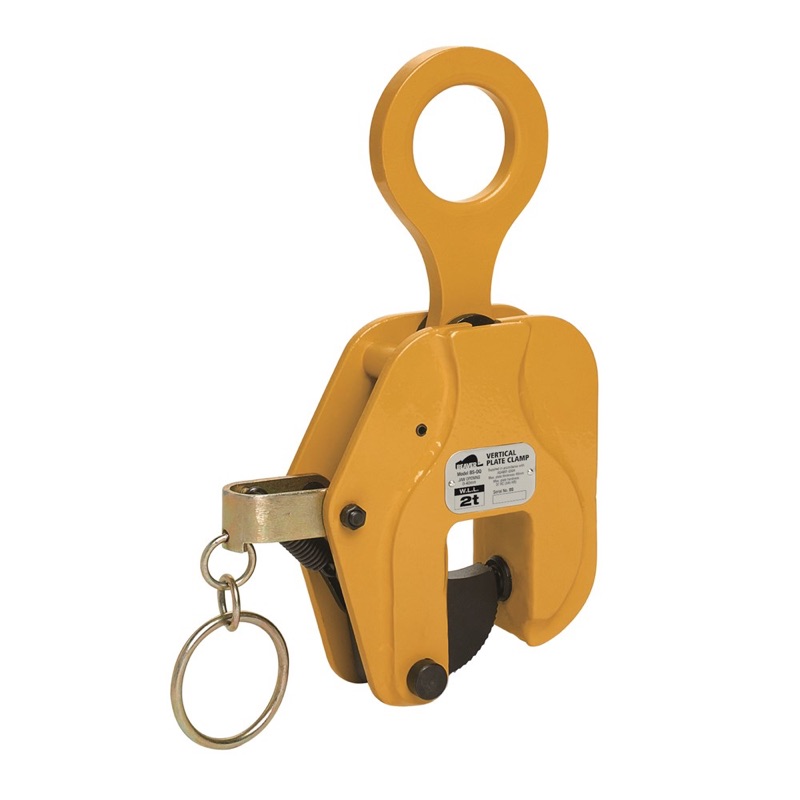
261130
1t – 3t
WLL 1t
$154.00 inc GSTTrade $138.60, save $15.40
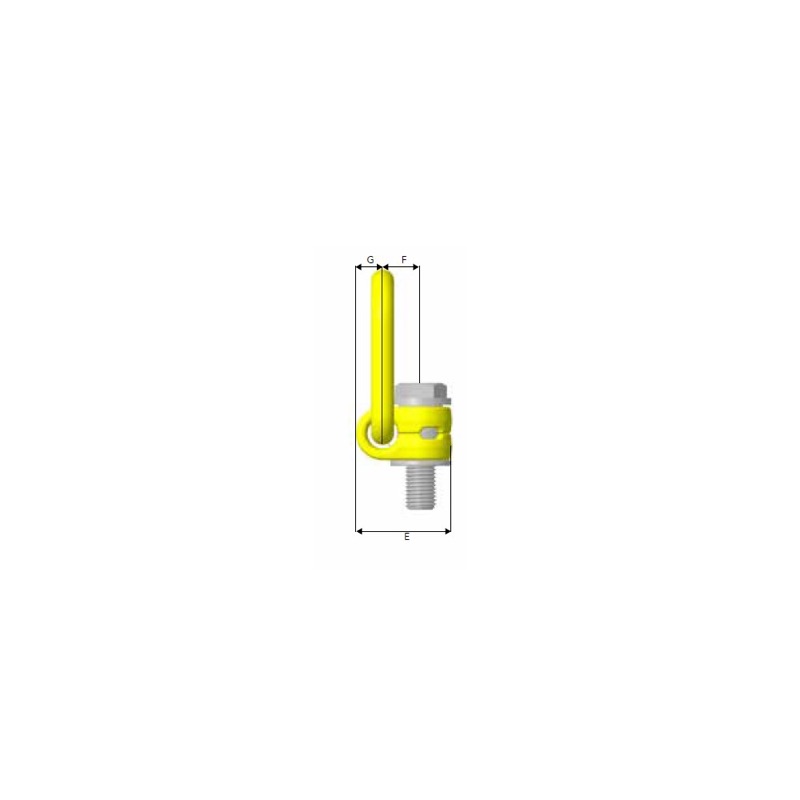
Z102208
M8 – M48
- DLP Ring Bolt Lift Point M8
- DLP Ring Bolt Lift Point M10
- DLP Ring Bolt Lift Point M12
- DLP Ring Bolt Lift Point M16
- DLP Ring Bolt Lift Point M20
- DLP Ring Bolt Lift Point M24
- DLP Ring Bolt Lift Point M30
- DLP Ring Bolt Lift Point M36
- DLP Ring Bolt Lift Point M48
$136.68 inc GSTTrade $123.01, save $13.67
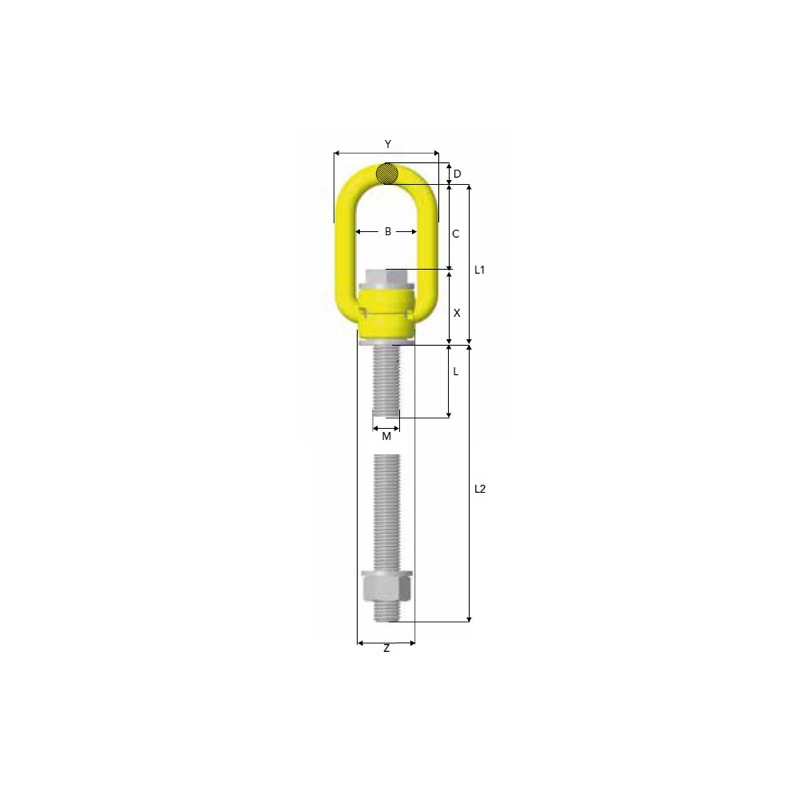
Z1022080L
M8 Long Bolt (97.5mm) – M24 Long Bolt (238mm)
- DLP Ring Bolt Lift Point Long M8 Long Bolt (97.5mm)
- DLP Ring Bolt Lift Point Long M10 Long Bolt (97.5mm)
- DLP Ring Bolt Lift Point Long M12 Long Bolt (118mm)
- DLP Ring Bolt Lift Point Long M16 Long Bolt (158mm)
- DLP Ring Bolt Lift Point Long M20 Long Bolt (198mm)
- DLP Ring Bolt Lift Point Long M24 Long Bolt (238mm)
$154.14 inc GSTTrade $138.73, save $15.41
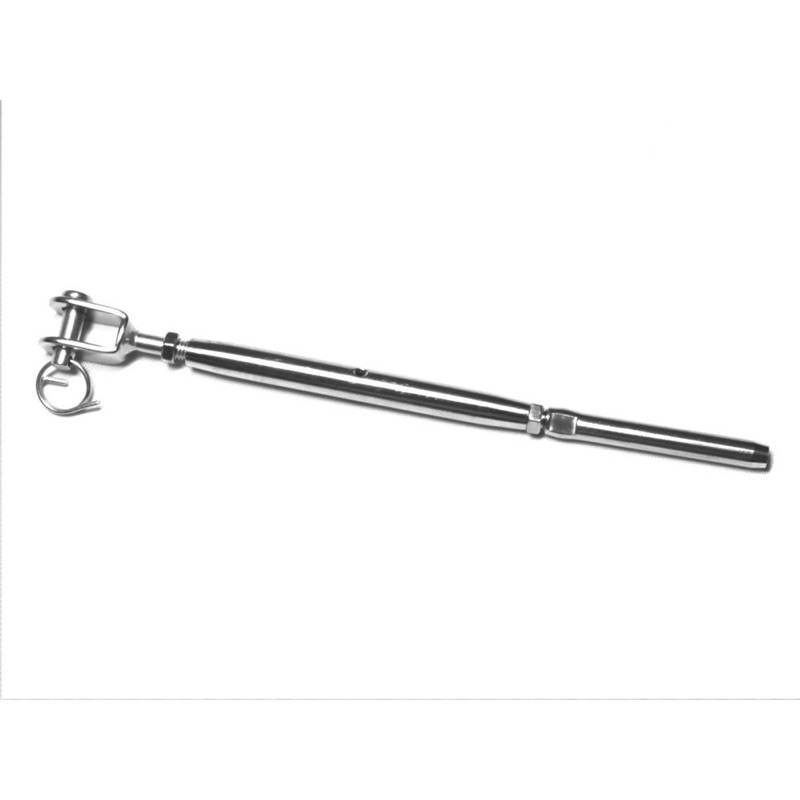
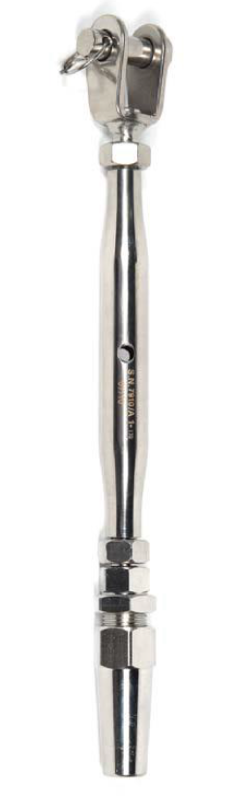

Choosing rigging hardware
Rated rigging hardware: eye bolts, lifting points, turnbuckles, swivels and connectors, the fittings that join slings to loads. Sheave and snatch blocks, below-the-hook lifters and the stainless range sit here as well.
Eye bolt vs shoulder eye bolt
A plain (uncollared) eye bolt is only for a straight, in-line pull along the axis of its thread. The moment the pull comes off-axis, you need a collared eye bolt, also sold as a shoulder eye bolt, and even collared eyes lose capacity fast as the angle grows. Where loads swing or the sling angle can't be controlled, a swivel lifting point that aligns itself with the pull is the better fitting.