Chain Blocks, Hoists & Winches
AllManual Chain BlocksLever BlocksElectric & Wire Rope HoistsWinchesBeam Trolleys & Girder ClampsChain Block Spares
24 products
Narrow it down24 products
Features
WLL
Lift
Finish
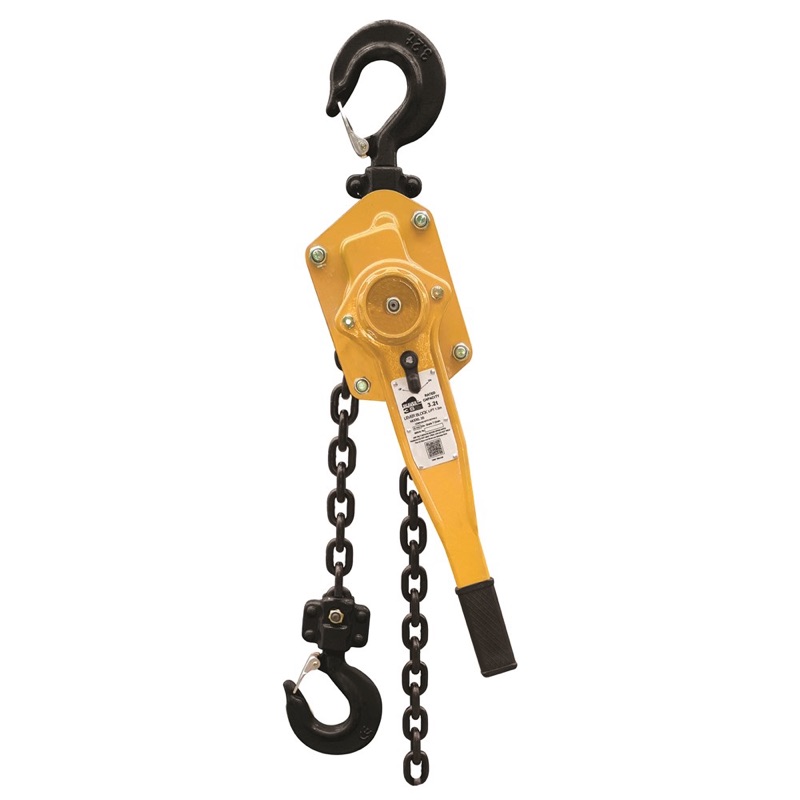
507080
Overload Protection1.5m lift0.8t – 9t
- Beaver 3S Industrial Manual Lever Blocks With Overload Protection 0.8t
- Beaver 3S Industrial Manual Lever Blocks With Overload Protection 1.6t
- Beaver 3S Industrial Manual Lever Blocks With Overload Protection 3.2t
- Beaver 3S Industrial Manual Lever Blocks With Overload Protection 6.3t
- Beaver 3S Industrial Manual Lever Blocks With Overload Protection 9t
$275.42 inc GSTTrade $247.88, save $27.54
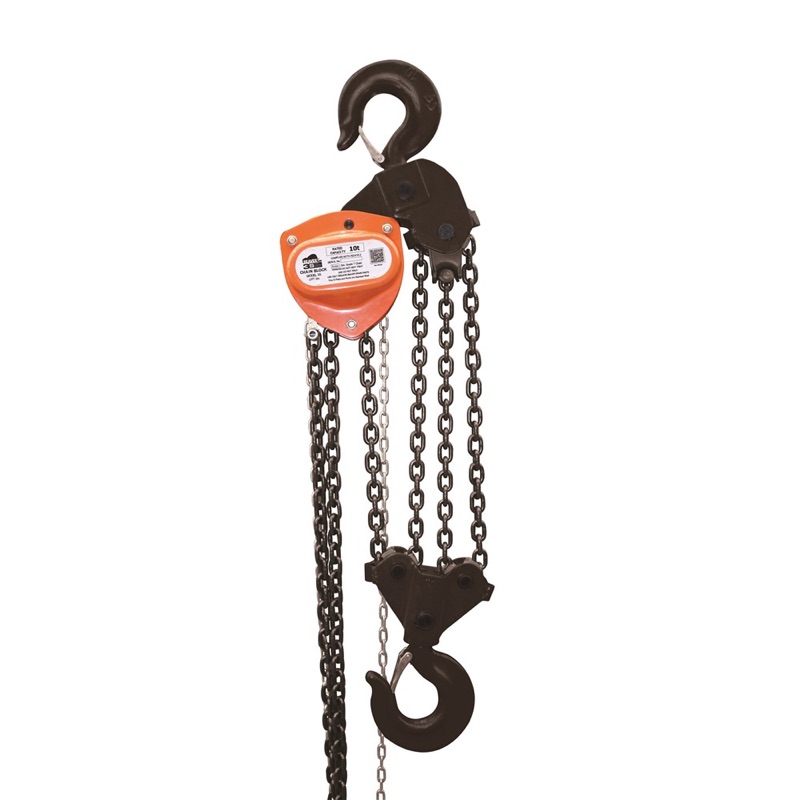
508053
Overload Protection3m lift0.5t – 10t
- Beaver 3S Industrial Manual Chain Blocks With Overload Protection (3m Standard Lift) 0.5t
- Beaver 3S Industrial Manual Chain Blocks With Overload Protection (3m Standard Lift) 1t
- Beaver 3S Industrial Manual Chain Blocks With Overload Protection (3m Standard Lift) 2t
- Beaver 3S Industrial Manual Chain Blocks With Overload Protection (3m Standard Lift) 3t
- Beaver 3S Industrial Manual Chain Blocks With Overload Protection (3m Standard Lift) 5t
- Beaver 3S Industrial Manual Chain Blocks With Overload Protection (3m Standard Lift) 10t
$206.73 inc GSTTrade $186.06, save $20.67
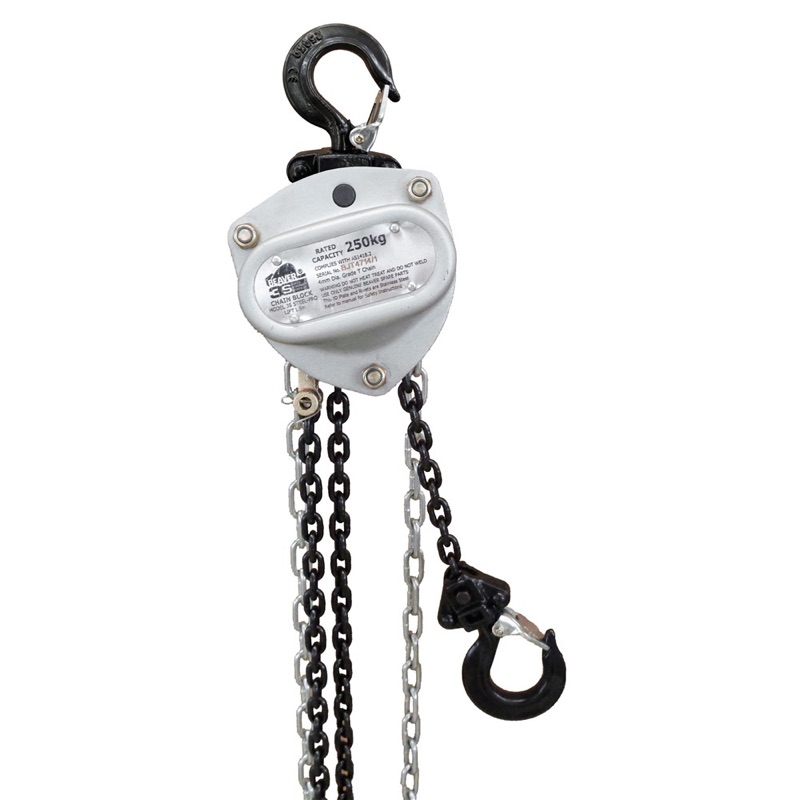
505025
1.5m lift0.25tSilver
$174.99 inc GSTTrade $157.49, save $17.50
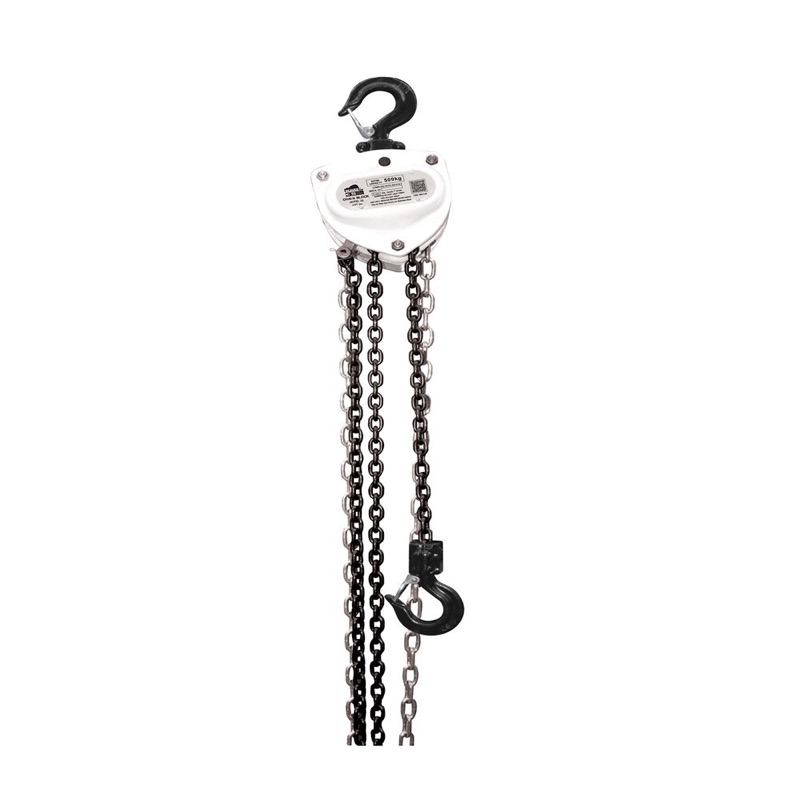
503053
3m lift0.5t – 10t
- Beaver 3S Industrial Manual Chain Blocks (1.5-3m Standard Lift) 0.5t
- Beaver 3S Industrial Manual Chain Blocks (1.5-3m Standard Lift) 1t
- Beaver 3S Industrial Manual Chain Blocks (1.5-3m Standard Lift) 2t
- Beaver 3S Industrial Manual Chain Blocks (1.5-3m Standard Lift) 3t
- Beaver 3S Industrial Manual Chain Blocks (1.5-3m Standard Lift) 5t
- Beaver 3S Industrial Manual Chain Blocks (1.5-3m Standard Lift) 10t
$171.86 inc GSTTrade $154.67, save $17.19
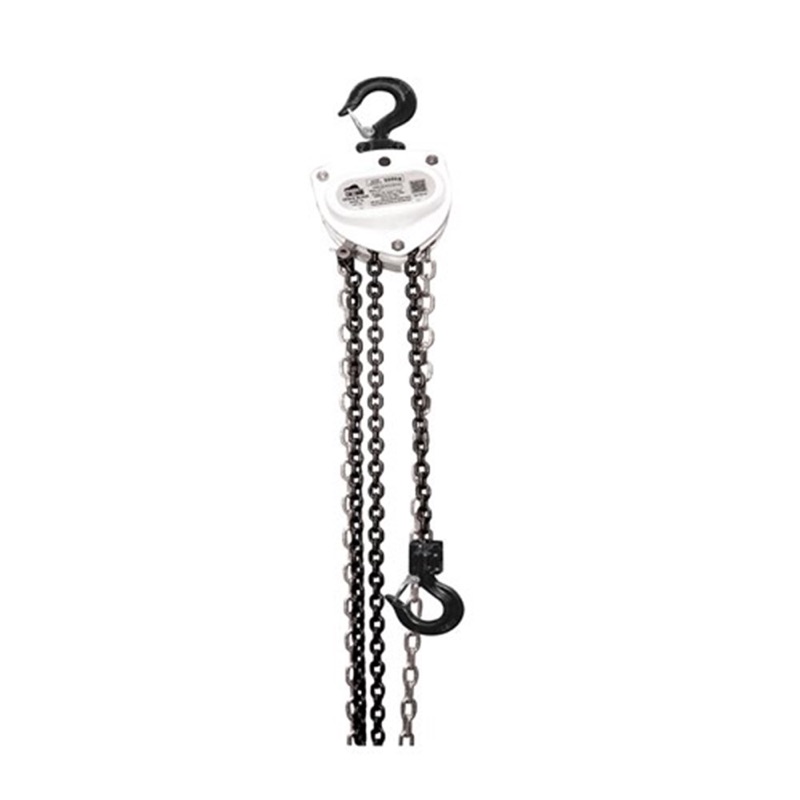
503056
6m lift0.5t – 10t
- Beaver 3S Industrial Manual Chain Blocks (6m Standard Lift) 0.5t
- Beaver 3S Industrial Manual Chain Blocks (6m Standard Lift) 1t
- Beaver 3S Industrial Manual Chain Blocks (6m Standard Lift) 2t
- Beaver 3S Industrial Manual Chain Blocks (6m Standard Lift) 3t
- Beaver 3S Industrial Manual Chain Blocks (6m Standard Lift) 5t
- Beaver 3S Industrial Manual Chain Blocks (6m Standard Lift) 10t
$221.68 inc GSTTrade $199.51, save $22.17
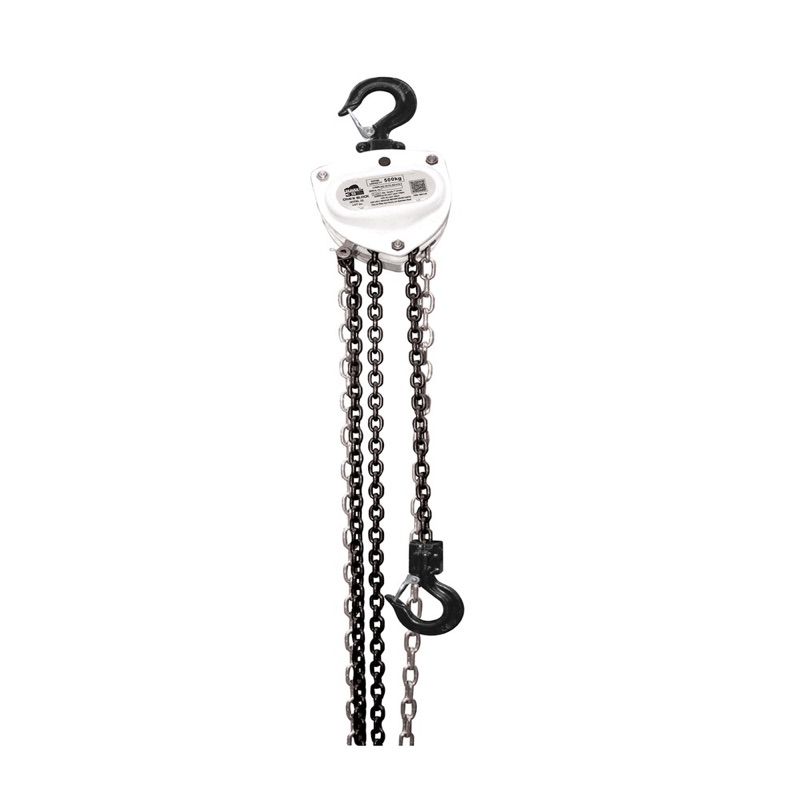
508056
Overload Protection6m lift0.5t – 10t
- Beaver 3S Industrial Manual Chain Blocks with Overload Protection (6m Standard Lift) 0.5t
- Beaver 3S Industrial Manual Chain Blocks with Overload Protection (6m Standard Lift) 1t
- Beaver 3S Industrial Manual Chain Blocks with Overload Protection (6m Standard Lift) 2t
- Beaver 3S Industrial Manual Chain Blocks with Overload Protection (6m Standard Lift) 3t
- Beaver 3S Industrial Manual Chain Blocks with Overload Protection (6m Standard Lift) 5t
- Beaver 3S Industrial Manual Chain Blocks with Overload Protection (6m Standard Lift) 10t
$219.07 inc GSTTrade $197.16, save $21.91
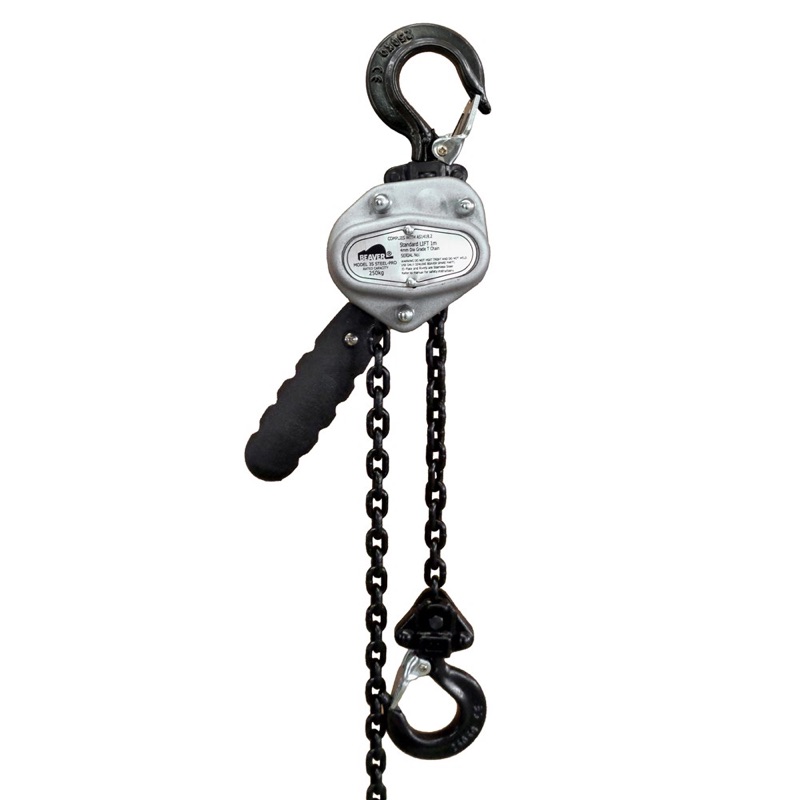
509025
1m lift0.25t
WLL 250kg
$176.75 inc GSTTrade $159.08, save $17.67
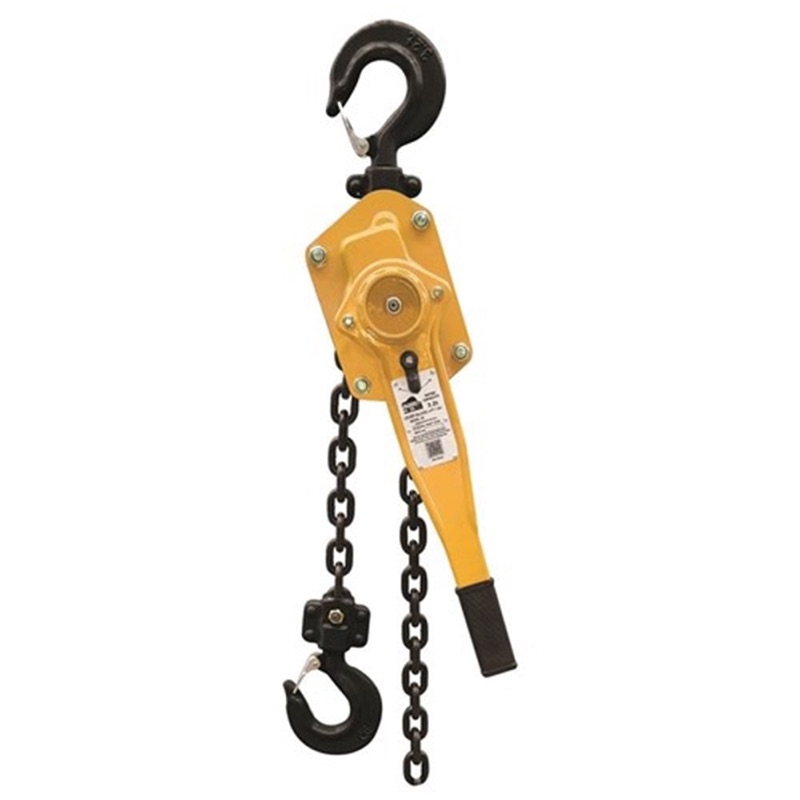
506025
0.25t – 6.3t
- Beaver 3S Manual Lever Blocks 0.25t
- Beaver 3S Manual Lever Blocks 0.5t
- Beaver 3S Manual Lever Blocks 0.8t
- Beaver 3S Manual Lever Blocks 1.6t
- Beaver 3S Manual Lever Blocks 3.2t
- Beaver 3S Manual Lever Blocks 6.3t
$167.20 inc GSTTrade $150.48, save $16.72
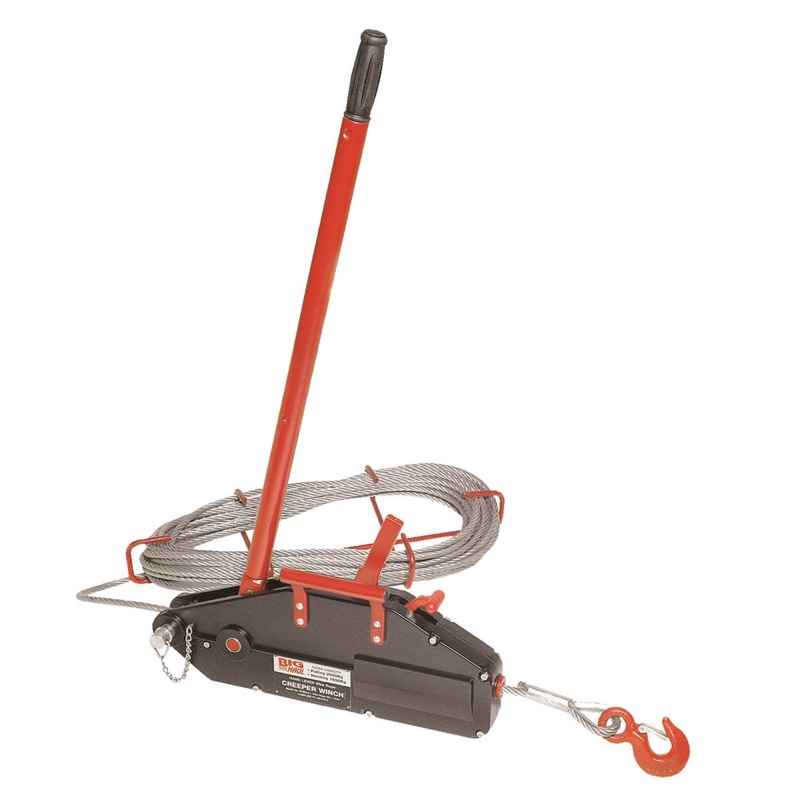
518508
0.8t – 3.2t
- Beaver Bighaul Wire Rope Hoists 0.8t
- Beaver Bighaul Wire Rope Hoists 1.6t
- Beaver Bighaul Wire Rope Hoists 3.2t
$513.87 inc GSTTrade $462.48, save $51.39
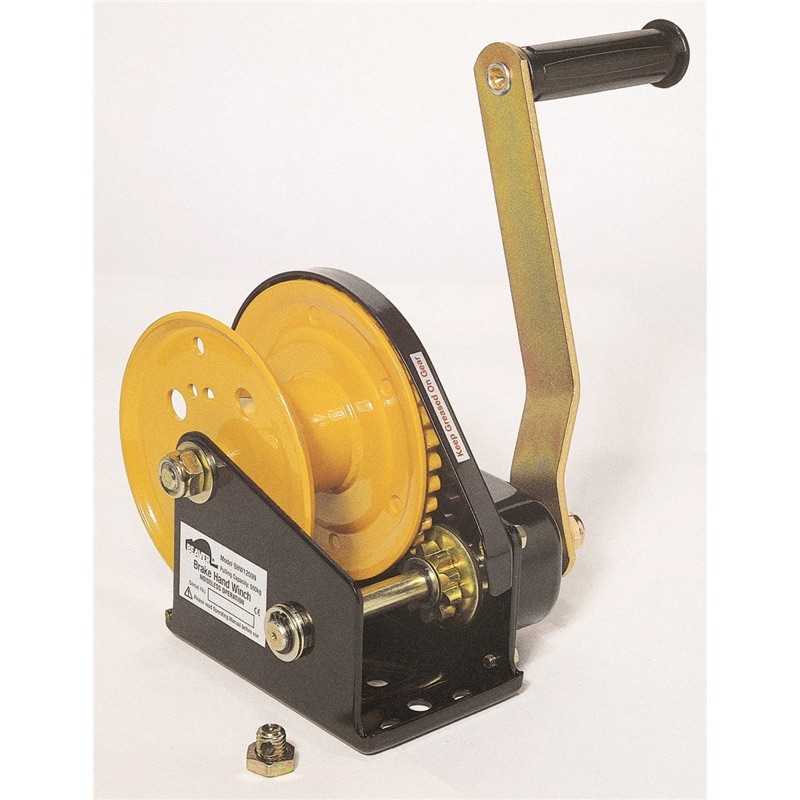
BHW800
BHW800 – BHW2600
- Beaver Brake Hand Winches BHW800
- Beaver Brake Hand Winches BHW1200
- Beaver Brake Hand Winches BHW1800
- Beaver Brake Hand Winches BHW2600
$233.46 inc GSTTrade $210.11, save $23.35
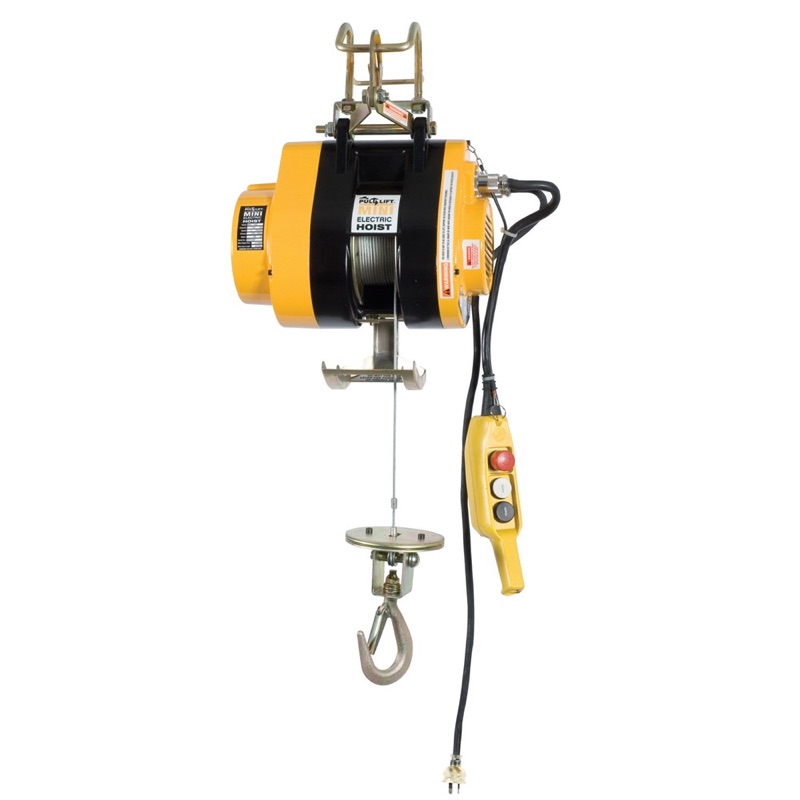
BMI1025
0.25t
$2842.26 inc GSTTrade $2558.03, save $284.23
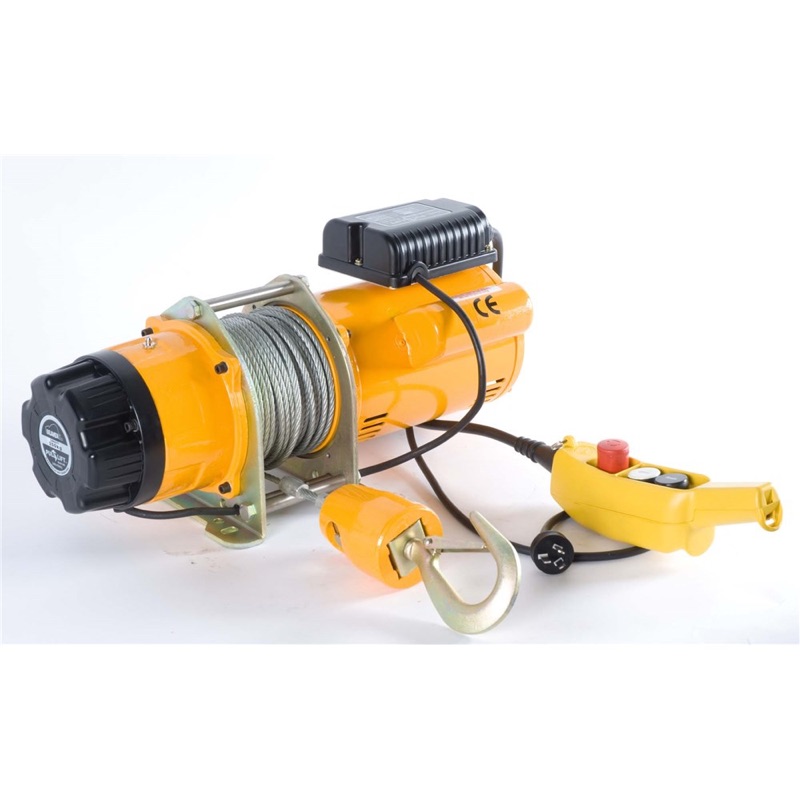
BPL1025
0.25t – 0.3t
$1831.88 inc GSTTrade $1648.69, save $183.19
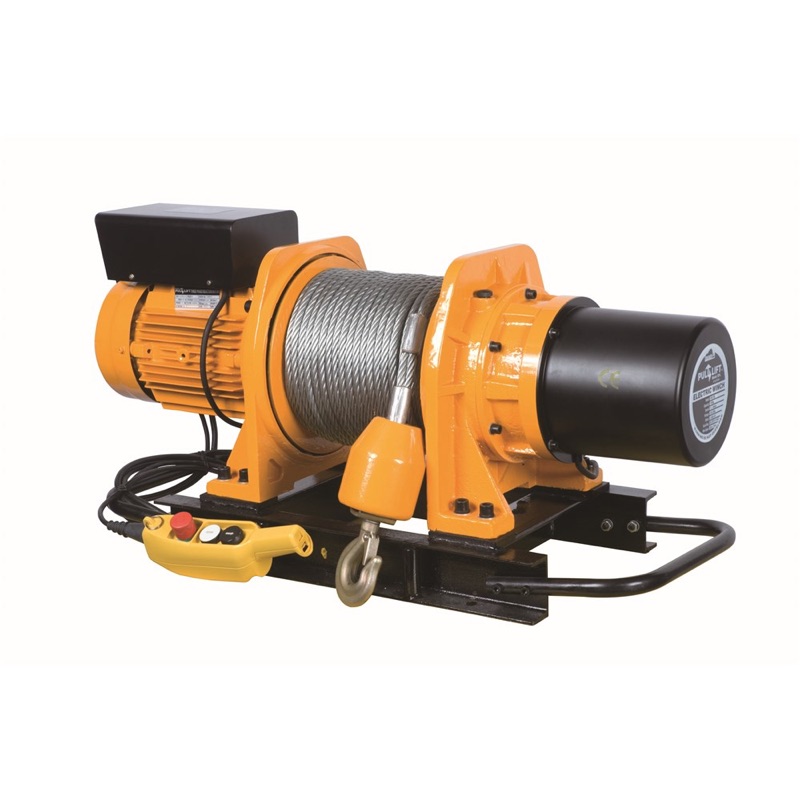
BPL3050
0.5t – 2.2t
- Beaver Electric Three Phase Winches 0.5t
- Beaver Electric Three Phase Winches 1t
- Beaver Electric Three Phase Winches 2.2t
$5379.00 inc GSTTrade $4841.10, save $537.90
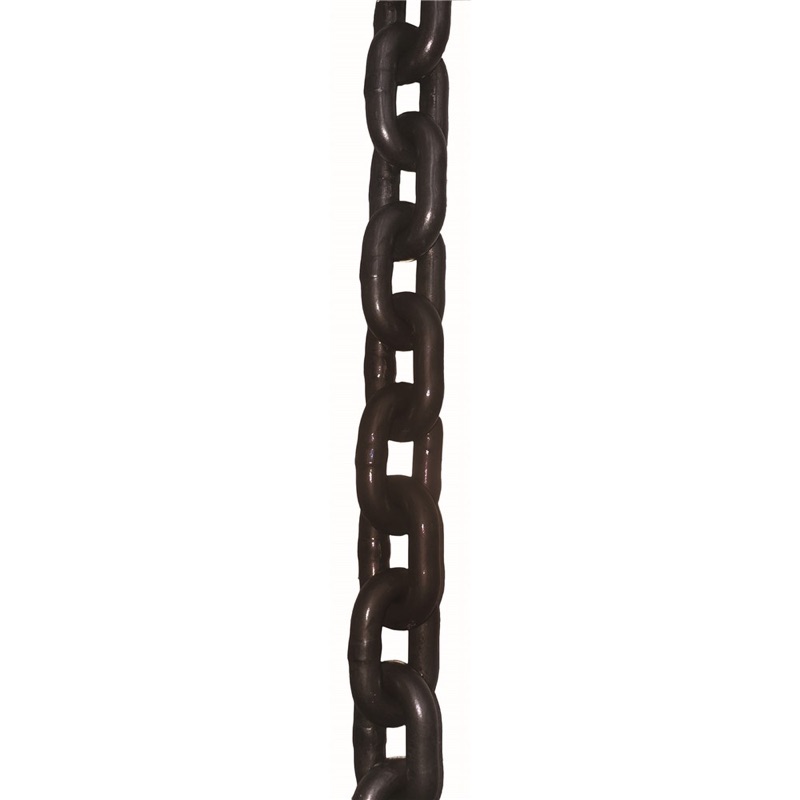
149005
5mm x 15mm – 10mm x 30mm5mmBlack
5mm
- Beaver G80 Black Calibrated Load Chain 5mm x 15mm
- Beaver G80 Black Calibrated Load Chain 6mm x 18mm
- Beaver G80 Black Calibrated Load Chain 8mm x 24mm
- Beaver G80 Black Calibrated Load Chain 10mm x 30mm
$9.27 inc GSTTrade $8.34, save $0.93
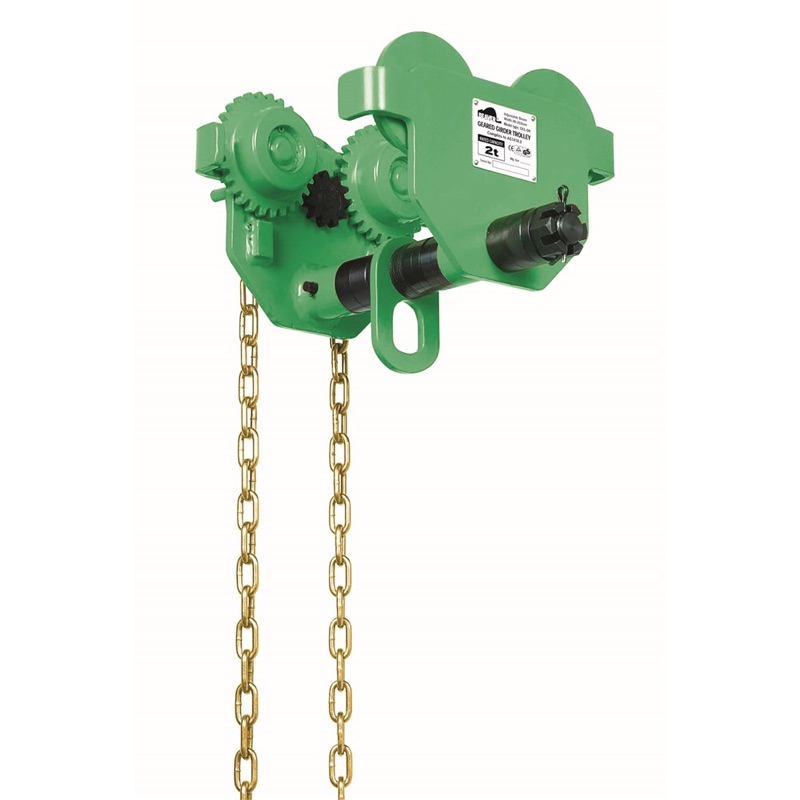
523010S
1t – 10t
- Beaver Geared Girder Trolleys 1t
- Beaver Geared Girder Trolleys 2t
- Beaver Geared Girder Trolleys 3t
- Beaver Geared Girder Trolleys 5t
- Beaver Geared Girder Trolleys 10t
$279.10 inc GSTTrade $251.19, save $27.91
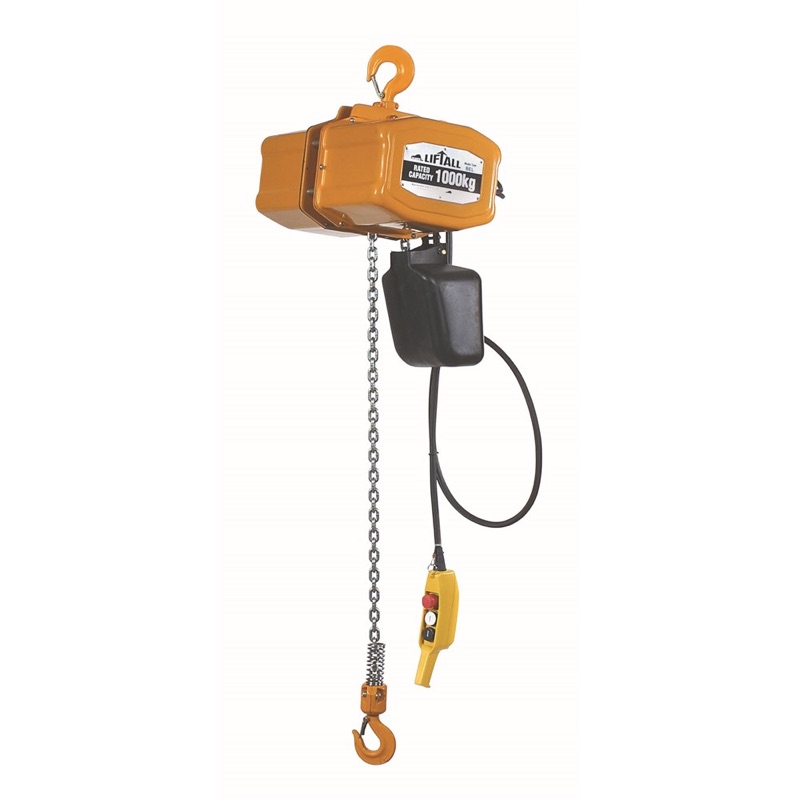
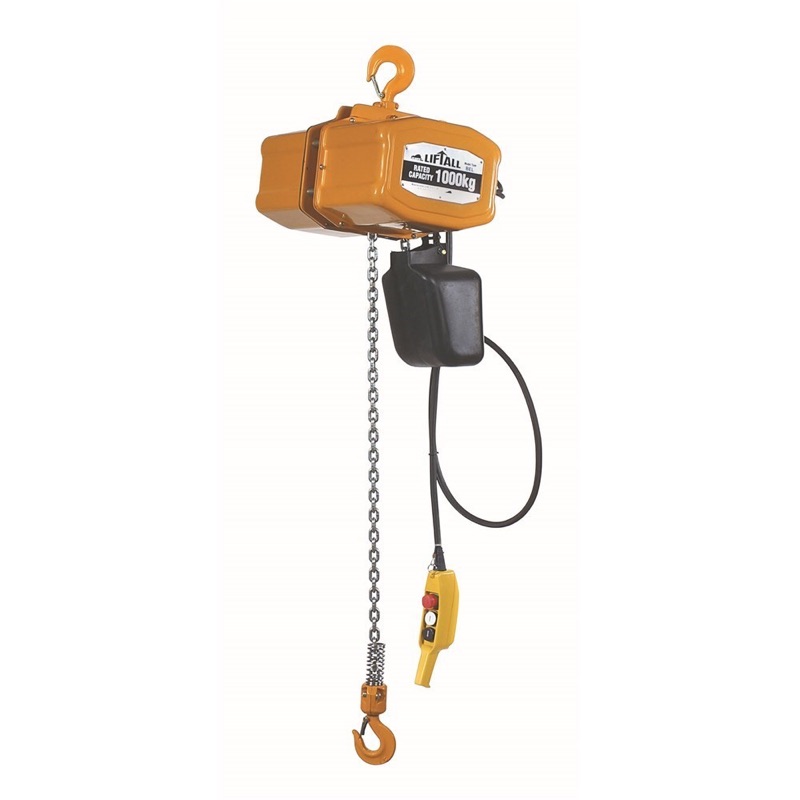
BEL1053S
0.5t x 3m – 3t x 6m
- Beaver Liftall Single Phase Electric Hoists 0.5t x 3m
- Beaver Liftall Single Phase Electric Hoists 1t x 3m
- Beaver Liftall Single Phase Electric Hoists 1t x 6m
- Beaver Liftall Single Phase Electric Hoists 2t x 3m
- Beaver Liftall Single Phase Electric Hoists 2t x 6m
- Beaver Liftall Single Phase Electric Hoists 3t x 3m
- Beaver Liftall Single Phase Electric Hoists 3t x 6m
POA — we’ll price it
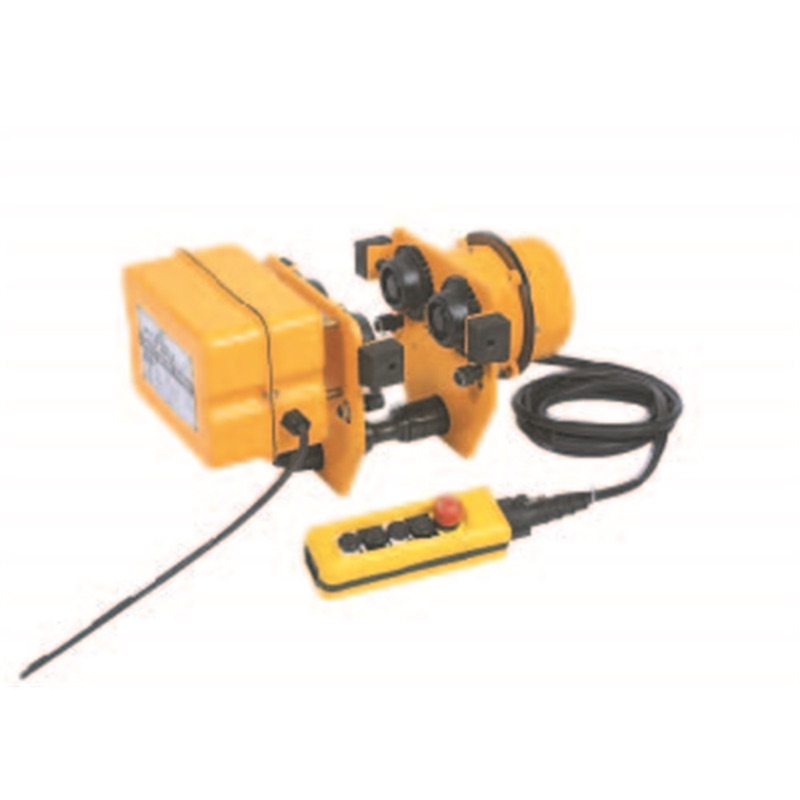
BET1000
1t – 3t
$2268.30 inc GSTTrade $2041.47, save $226.83
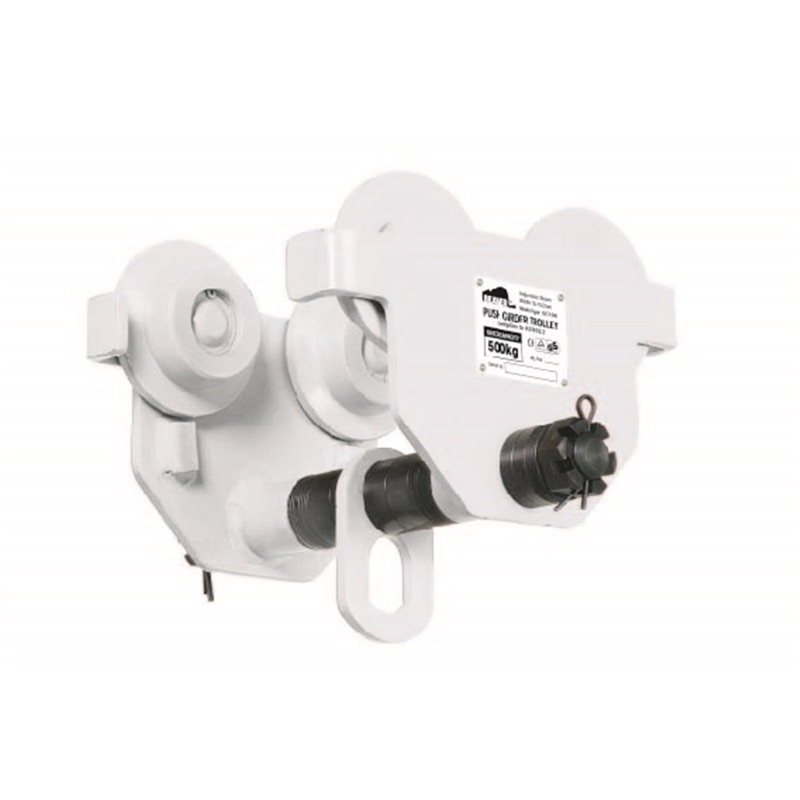
522005S
0.5t – 5t
- Beaver Push Girder Trolleys 0.5t
- Beaver Push Girder Trolleys 1t
- Beaver Push Girder Trolleys 1.5t
- Beaver Push Girder Trolleys 2t
- Beaver Push Girder Trolleys 3t
- Beaver Push Girder Trolleys 5t
$123.10 inc GSTTrade $110.79, save $12.31
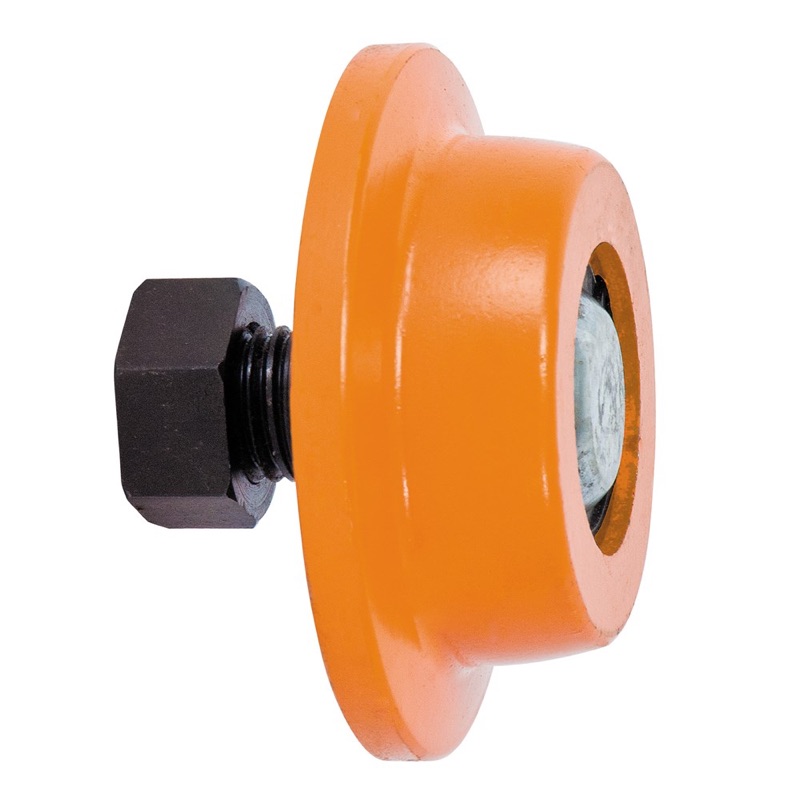
525010S
1t – 2t
WLL 1t
- Beaver Single Flange Steel Plain Trolley Wheels 1t
- Beaver Single Flange Steel Plain Trolley Wheels 2t
$46.04 inc GSTTrade $41.44, save $4.60
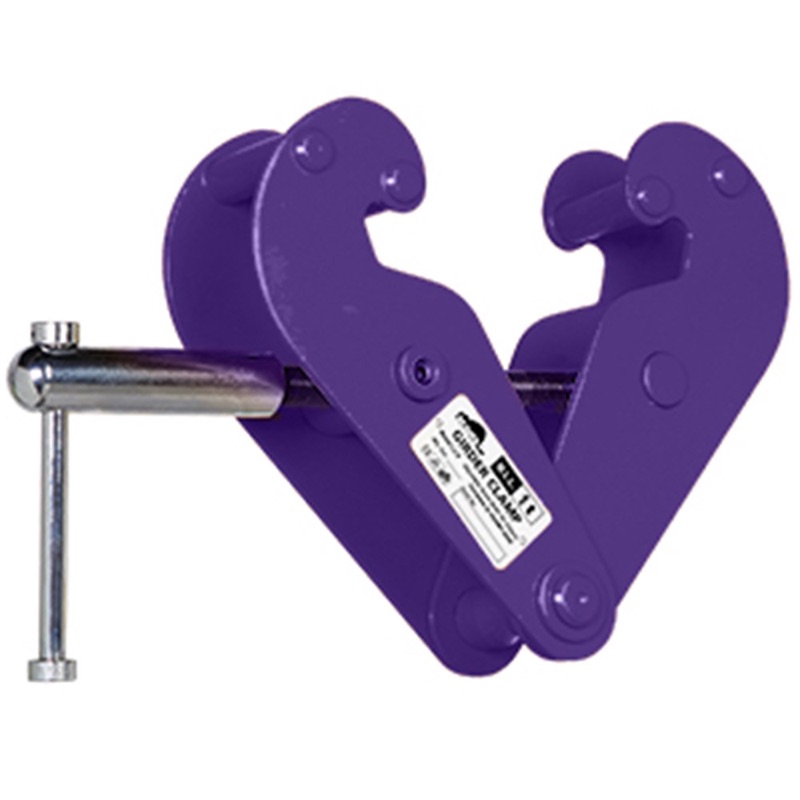
270010Y
1t – 10t
WLL 1t
- Beaver YC Industrial Girder Clamps 1t
- Beaver YC Industrial Girder Clamps 2t
- Beaver YC Industrial Girder Clamps 3t
- Beaver YC Industrial Girder Clamps 5t
- Beaver YC Industrial Girder Clamps 10t
$94.53 inc GSTTrade $85.08, save $9.45
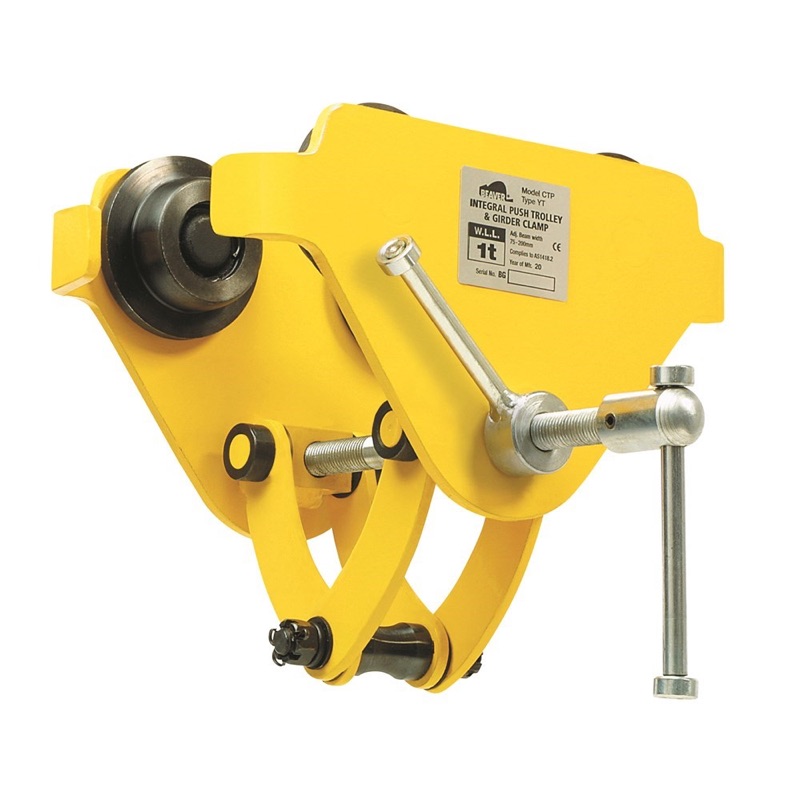
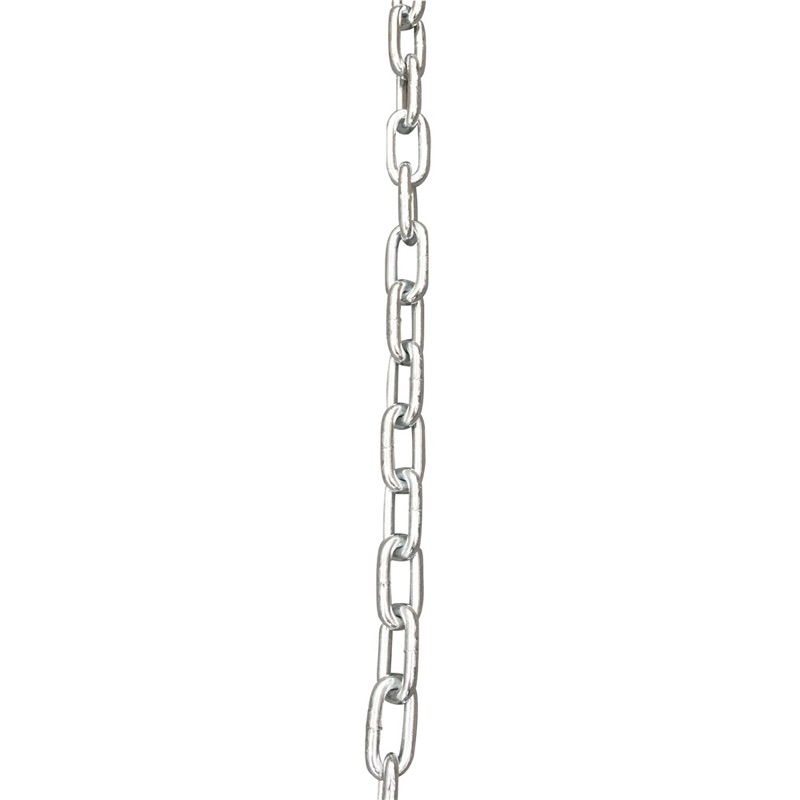
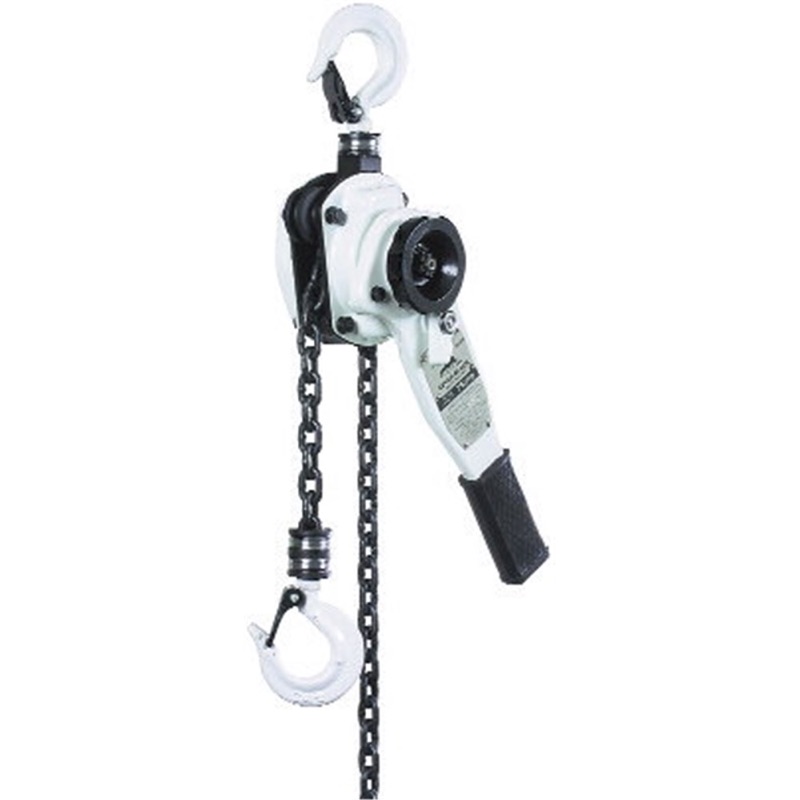
504050M
1.5m lift0.5t
$255.83 inc GSTTrade $230.25, save $25.58
Choosing chain blocks, hoists & winches
Chain blocks, lever hoists, electric hoists and winches: rated gear for lifting a load vertically, or pulling and tensioning it into place. Girder trolleys and beam clamps to hang them from are here too.
Chain block or lever hoist?
A chain block hangs from a fixed point and lifts vertically: high capacity, slow and controlled, two hands on the hand chain. A lever hoist works in any orientation, so it covers lifting, dragging, tensioning and pulling a load sideways into position. If the pull isn't straight down, it's a lever hoist's job. Hoists in Australia fall under the AS 1418 series.