Steel Wire & Rope Fittings
18 products
Narrow it down18 products
Features
Grade
Diameter
Wire diameter
Finish
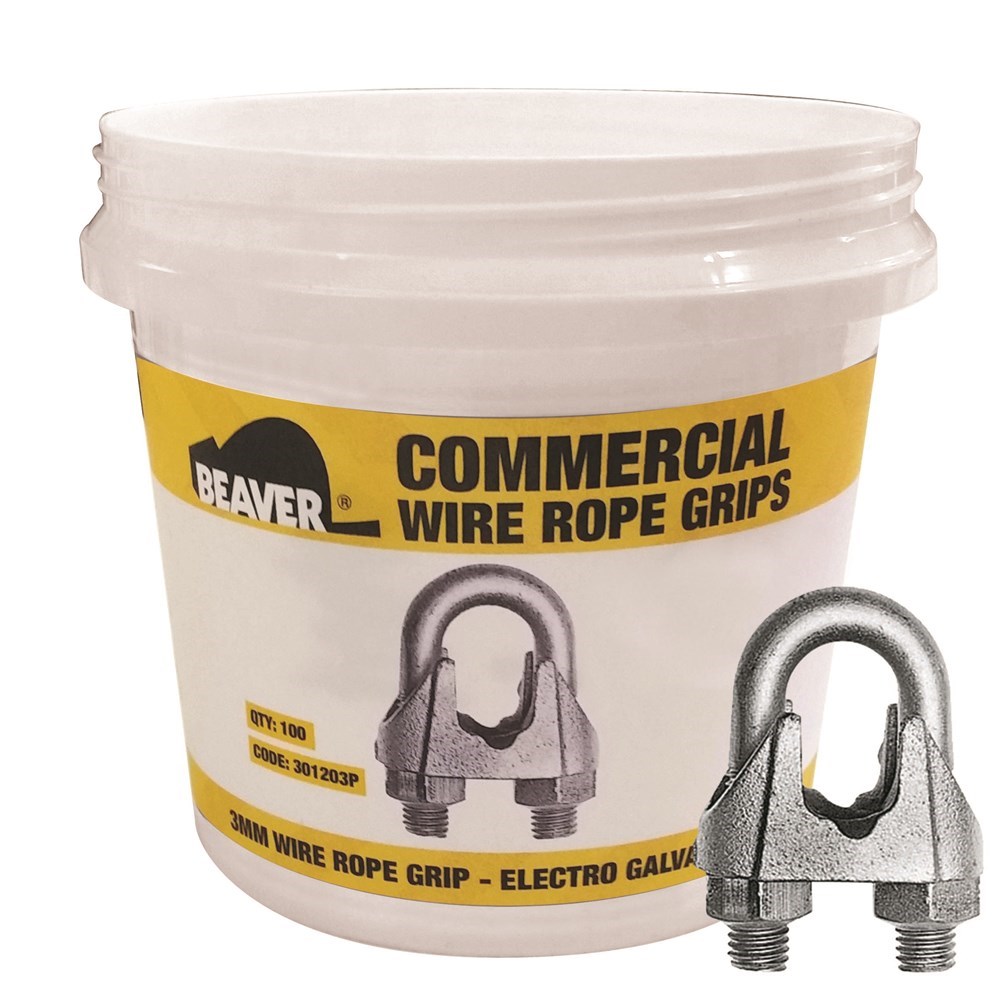
301203P
Galvanised3mm – 25mm3mm
$20.43 Trade inc GST$22.70 without a trade account
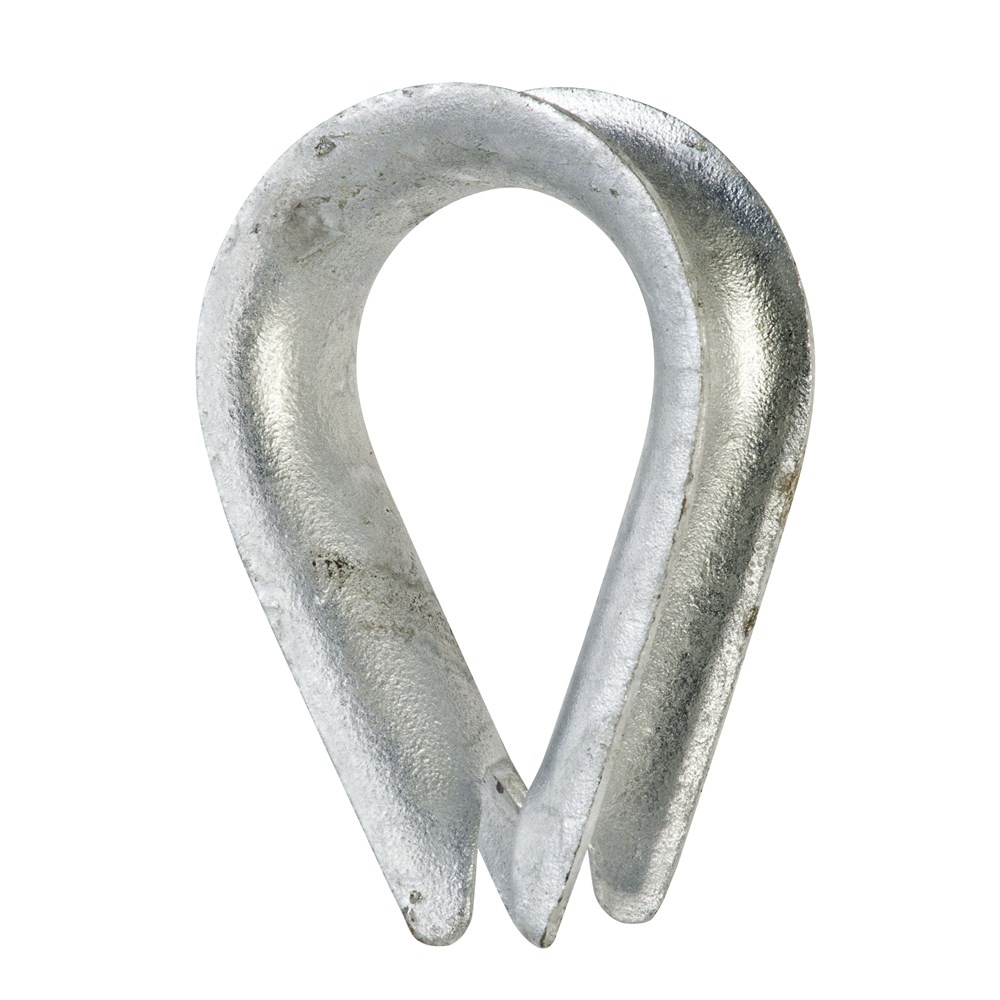
310304
Galvanised4mm – 32mm4mm
$0.27 Trade inc GST$0.30 without a trade account

716301
Galvanised1.6mm – 10mm1570
Grade 1570
$0.19 Trade inc GST$0.21 without a trade account
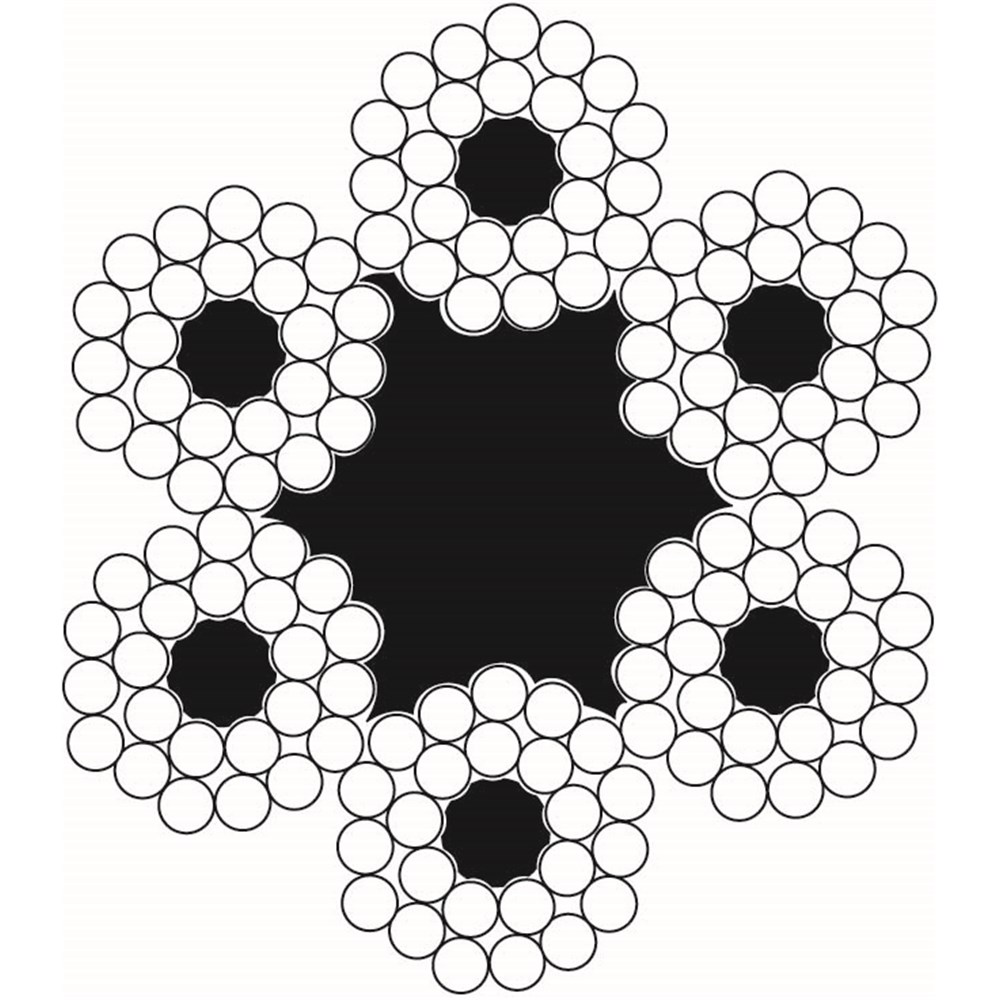
711308
Galvanised8mm – 16mm1570
8mm
$1.90 Trade inc GST$2.11 without a trade account
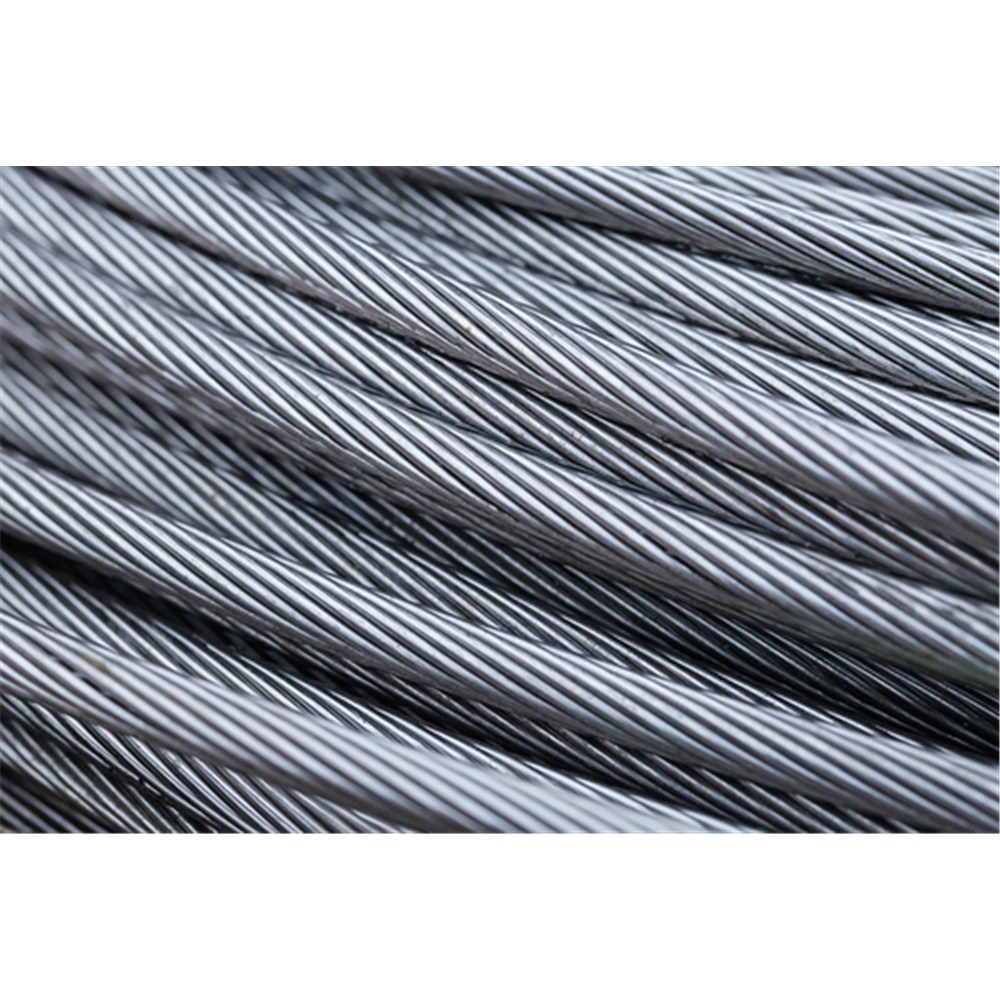
709303-100
Galvanised3mm x 100m – 10mm x 1000m1570
3mm
$0.47 Trade inc GST$0.52 without a trade account

707302
Galvanised2mm – 6mm1570
2mm
$0.17 Trade inc GST$0.19 without a trade account
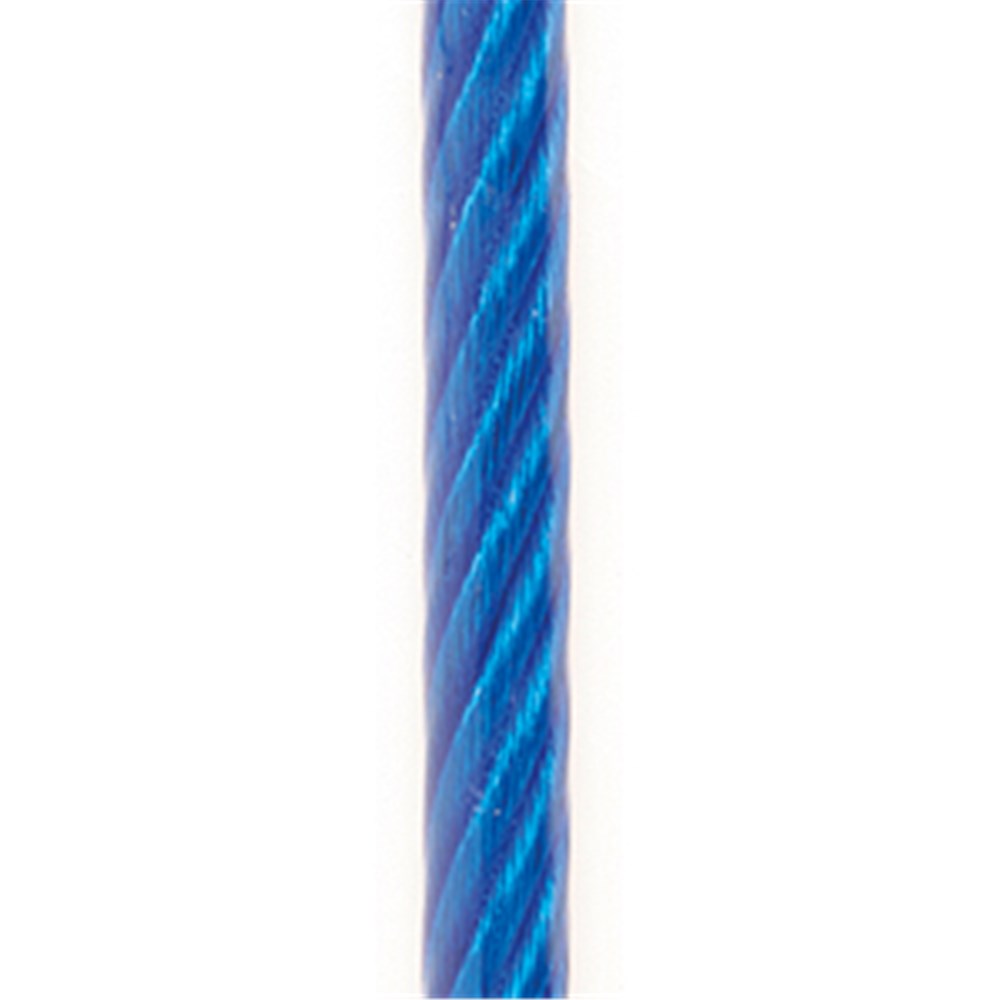
706030
Galvanised3mm x 5mm – 10mm x 12mm1570
Grade 1570
$0.71 Trade inc GST$0.79 without a trade account
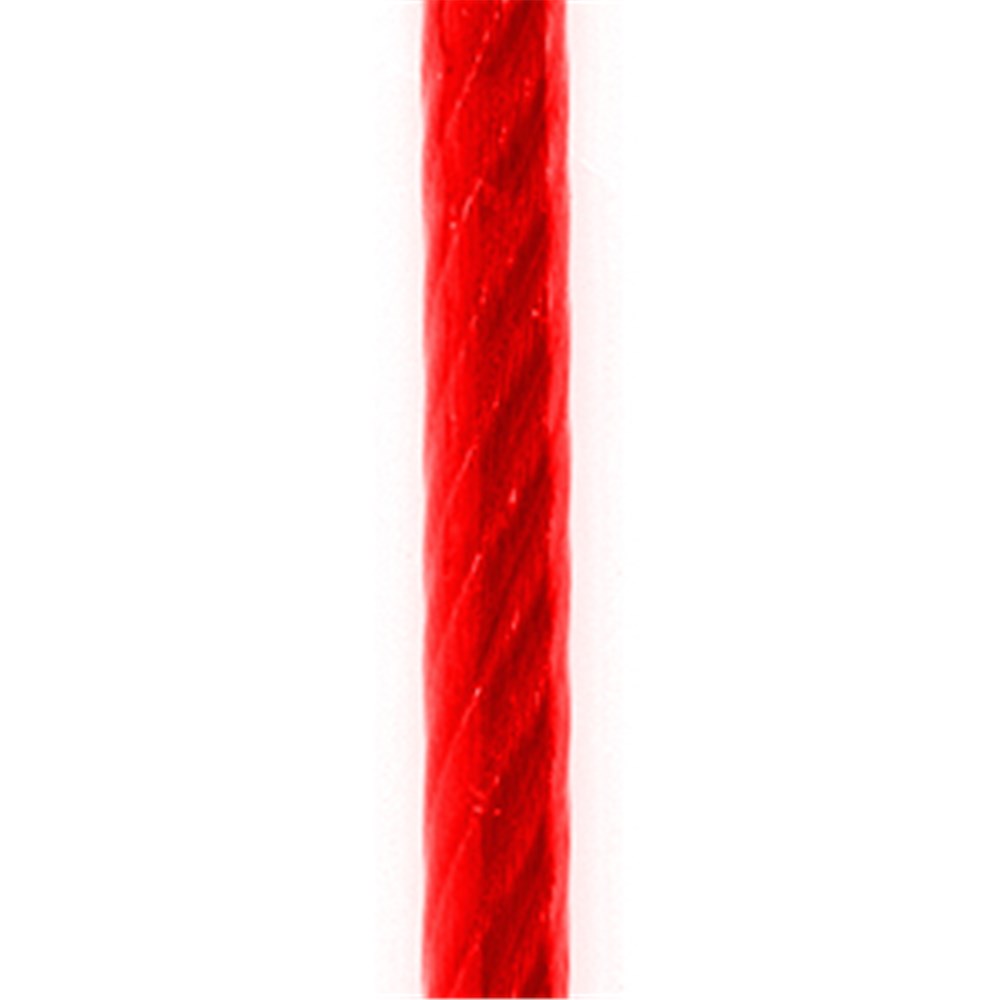
706030AR
Galvanised3.5mm x 5.5mm – 5mm x 7mm1570
Grade 1570
$0.69 Trade inc GST$0.77 without a trade account
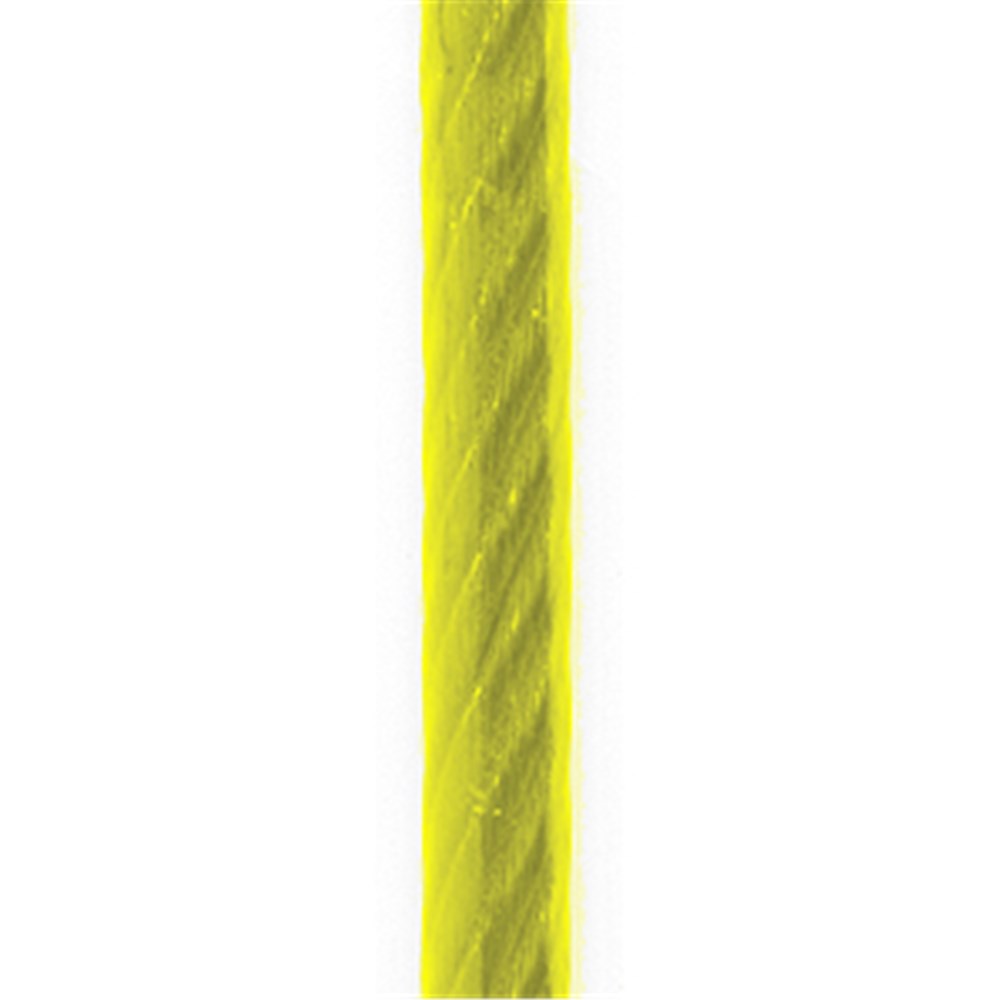
706040Y
Galvanised15704mm
Grade 1570
$0.95 Trade inc GST$1.05 without a trade account

713410
Galvanised10mm – 22mm1770
Grade 1770
$3.66 Trade inc GST$4.07 without a trade account
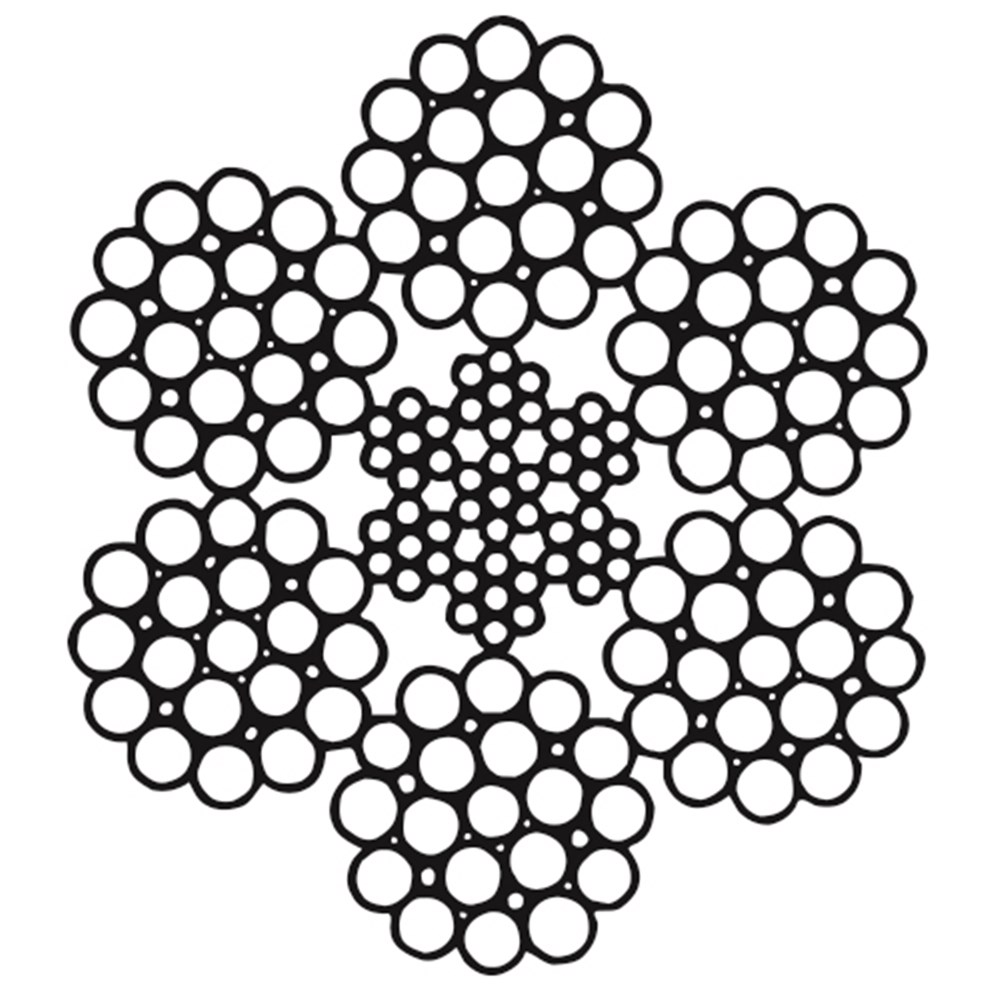
712310
Galvanised207010mm
Grade 2070
$3.74 Trade inc GST$4.16 without a trade account
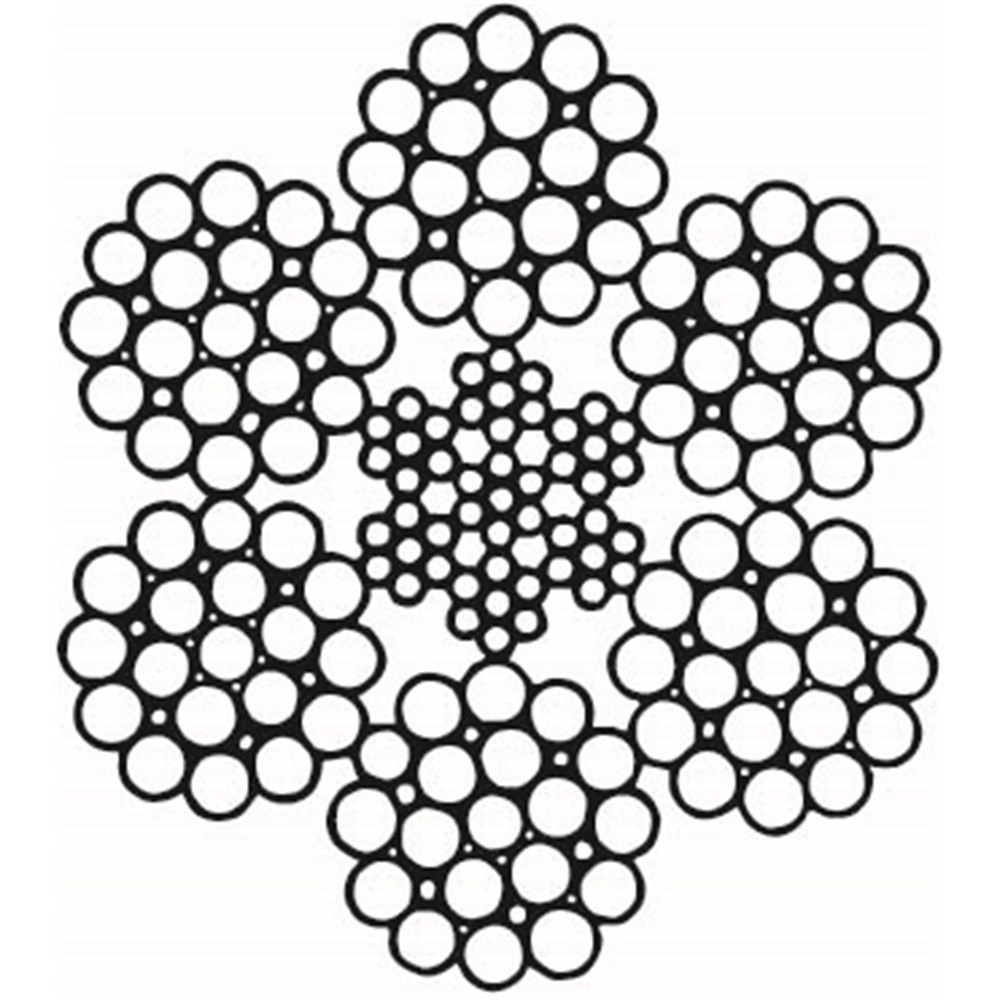
712411
Galvanised207011mm
Grade 2070
$4.13 Trade inc GST$4.59 without a trade account

712403
Galvanised3.2mm – 10mm2070
Grade 2070
$0.49 Trade inc GST$0.54 without a trade account

708305
Galvanised5mm – 10mm2070
Grade 2070
$0.74 Trade inc GST$0.82 without a trade account

7083084
Galvanised8mm x 410m – 10mm x 620m2070
410m
$907.83 Trade inc GST$1008.70 without a trade account
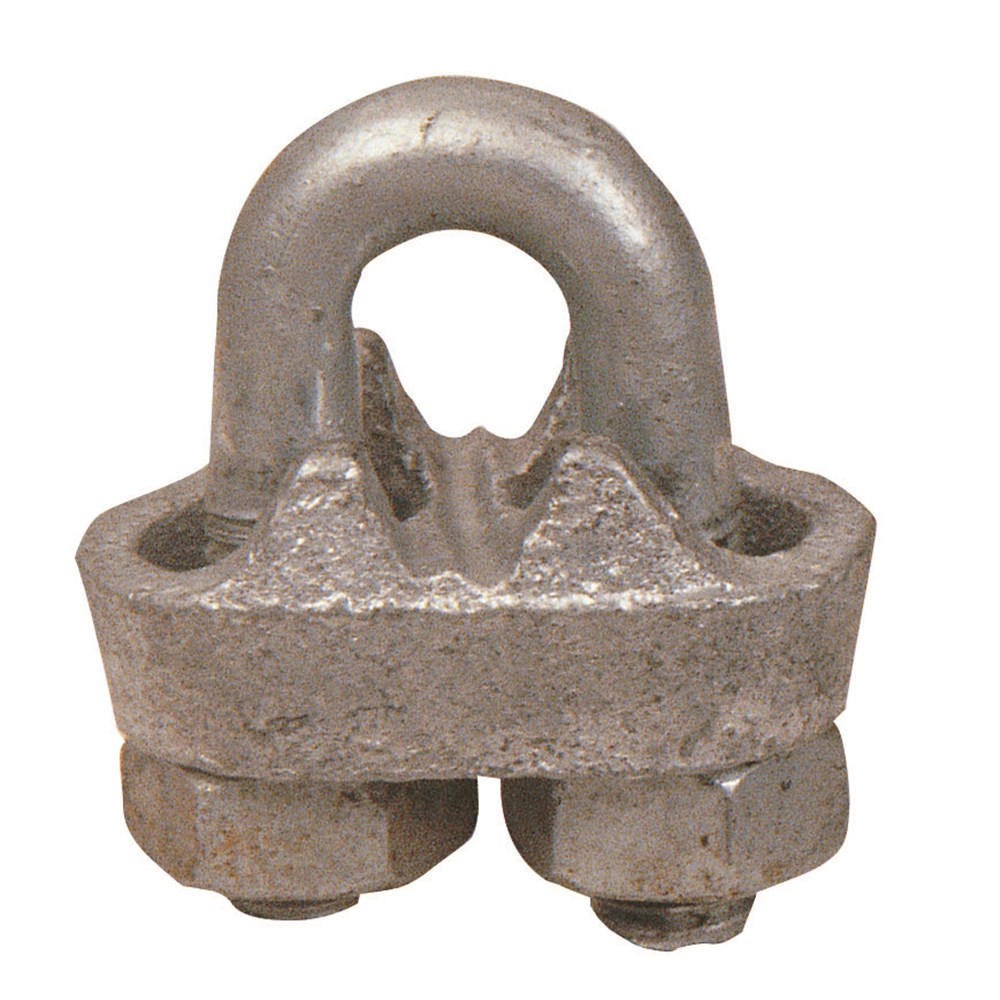
303306
Galvanised6mm – 32mm6mm
$0.97 Trade inc GST$1.08 without a trade account
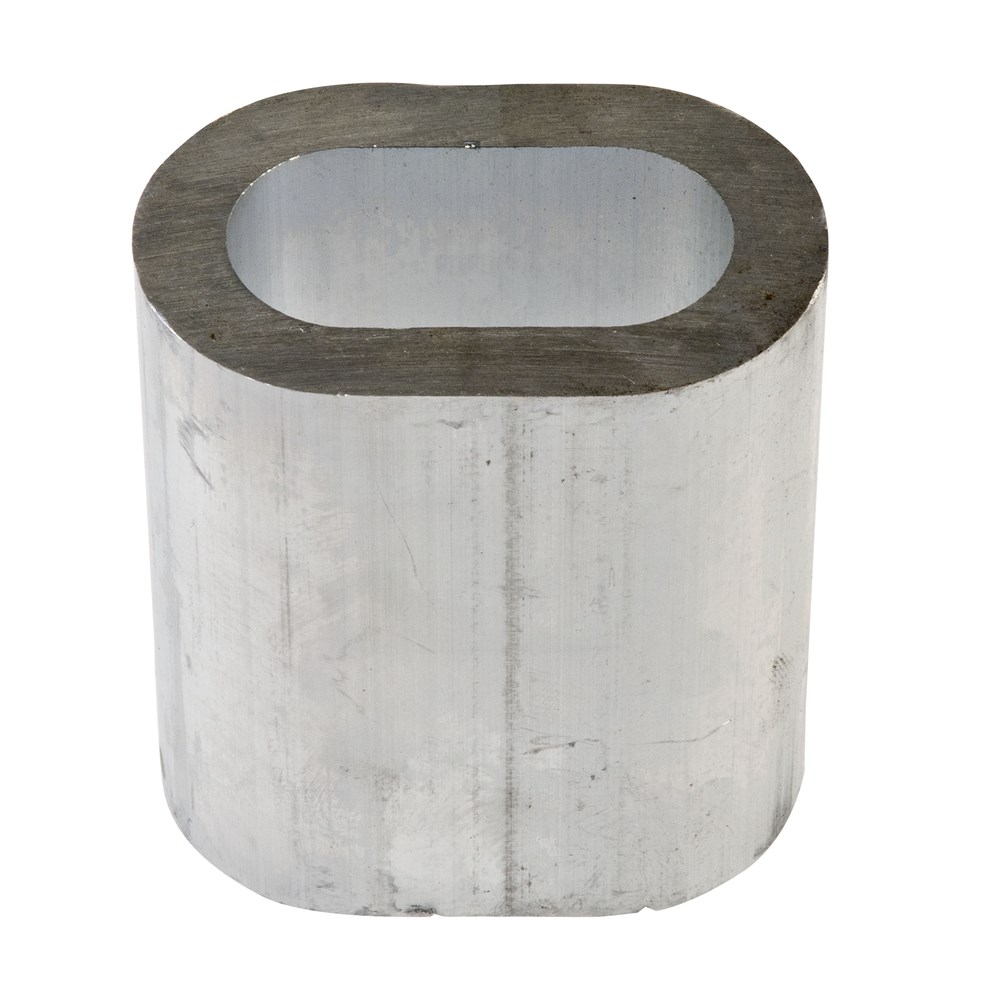
317101A
1.8mm x 3.6mm x 1.05mm – 44mm x 88mm x 16.6mm
$0.14 Trade inc GST$0.16 without a trade account
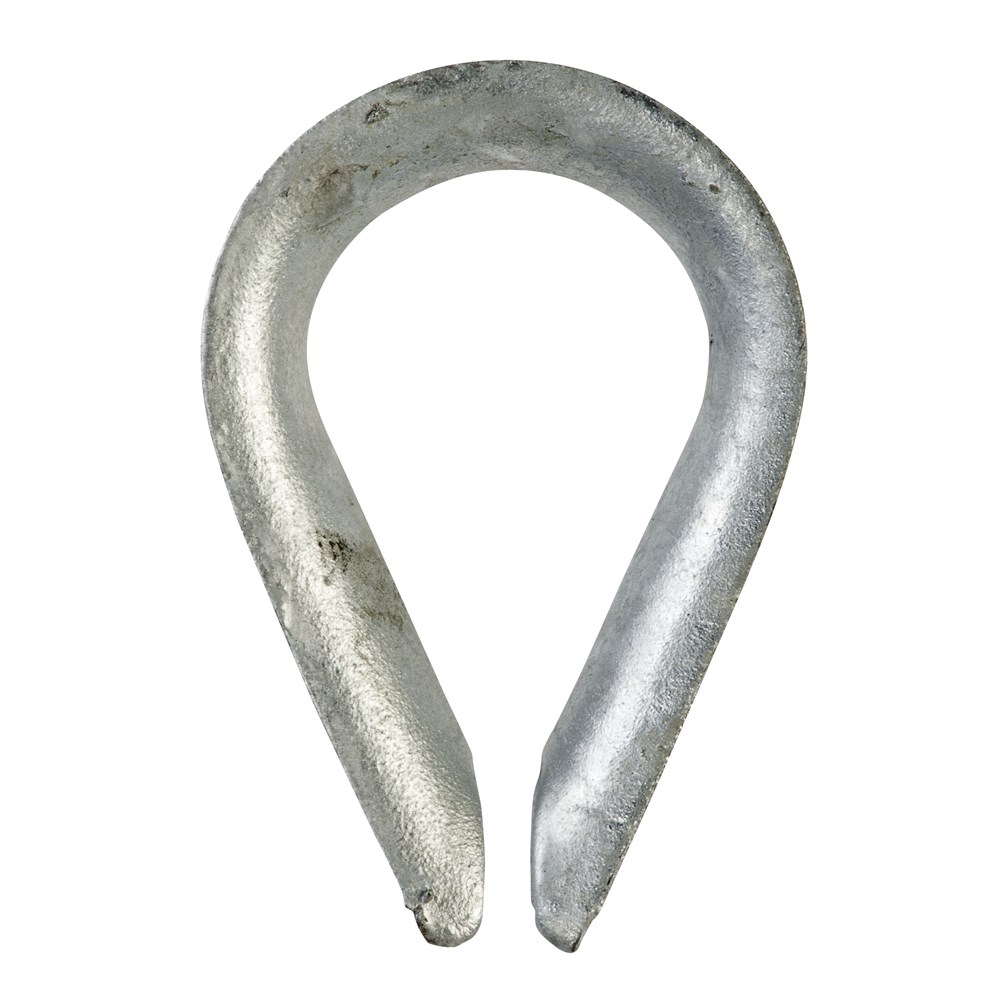
312306
Galvanised6mm – 38mm6mm
$1.18 Trade inc GST$1.31 without a trade account
Choosing steel wire & rope fittings
Steel wire rope, ferrule-secured wire rope slings and their fittings: thimbles, ferrules, grips and tensioners.
Wire rope sling vs synthetic sling
Wire rope slings shrug off what destroys soft slings: heat, abrasion, rough loads with edges. They're the pick for steel, hot work and loads that would cut webbing. The trade-off is weight, less flexibility, and a load surface that can mark what it lifts. The Australian standard to ask about for steel wire slings is AS 3569.
Ferrules, thimbles and grips
A lifting sling's eyes are formed with swaged ferrules, pressed on with dies matched to the rope. That's what carries the rating. Thimbles keep the eye's shape and protect the rope from the pin. Wire rope grips, the U-bolt clamps, are for guys, fences and standing rigging, never for forming a lifting sling. A gripped eye has no lifting rating at all.