Materials Handling
View all as one list →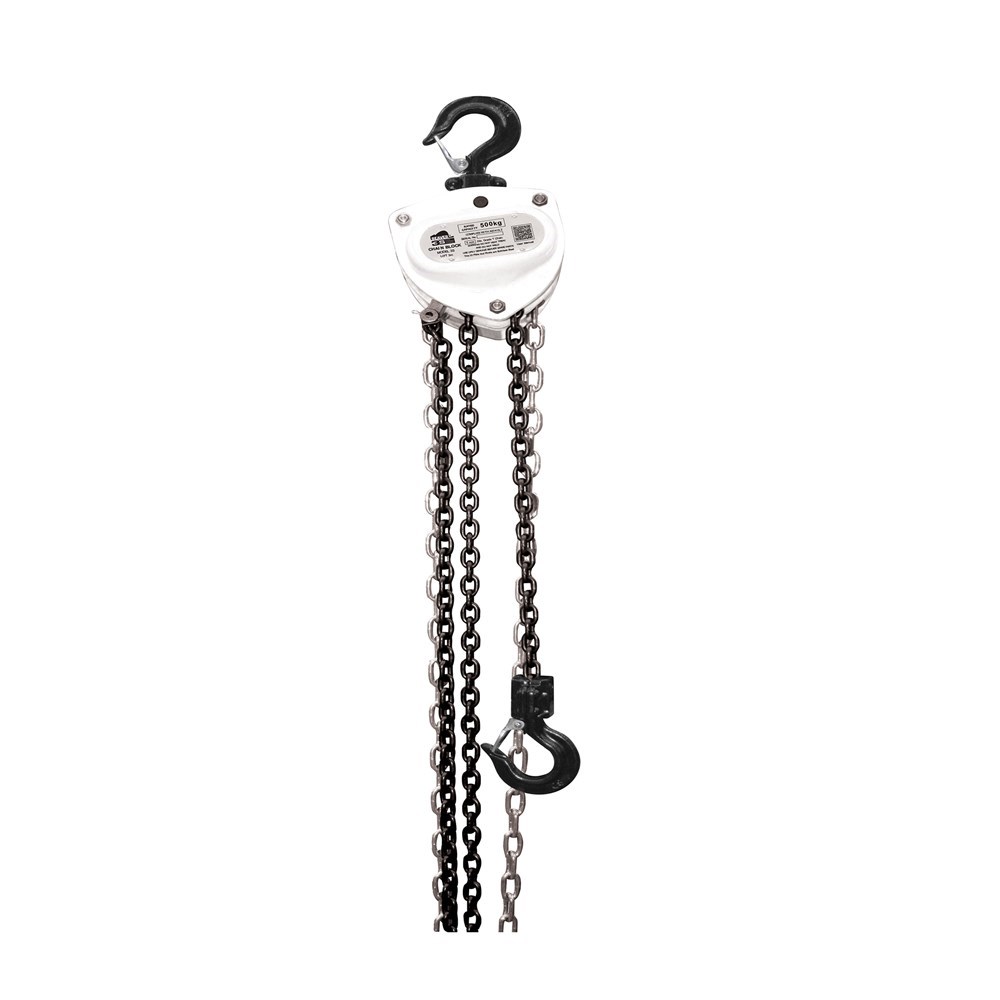 Chain & Lever BlocksView products →38 items
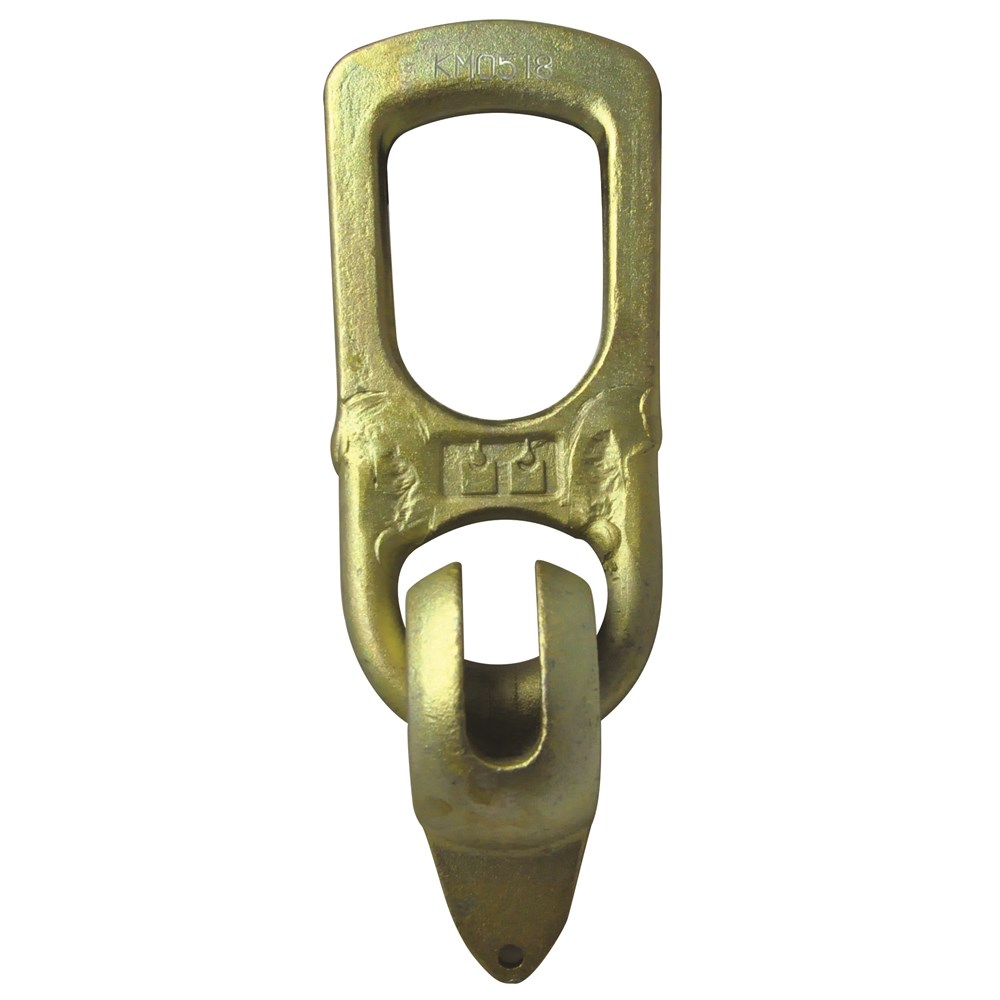 Lifting HardwareView products →10 items
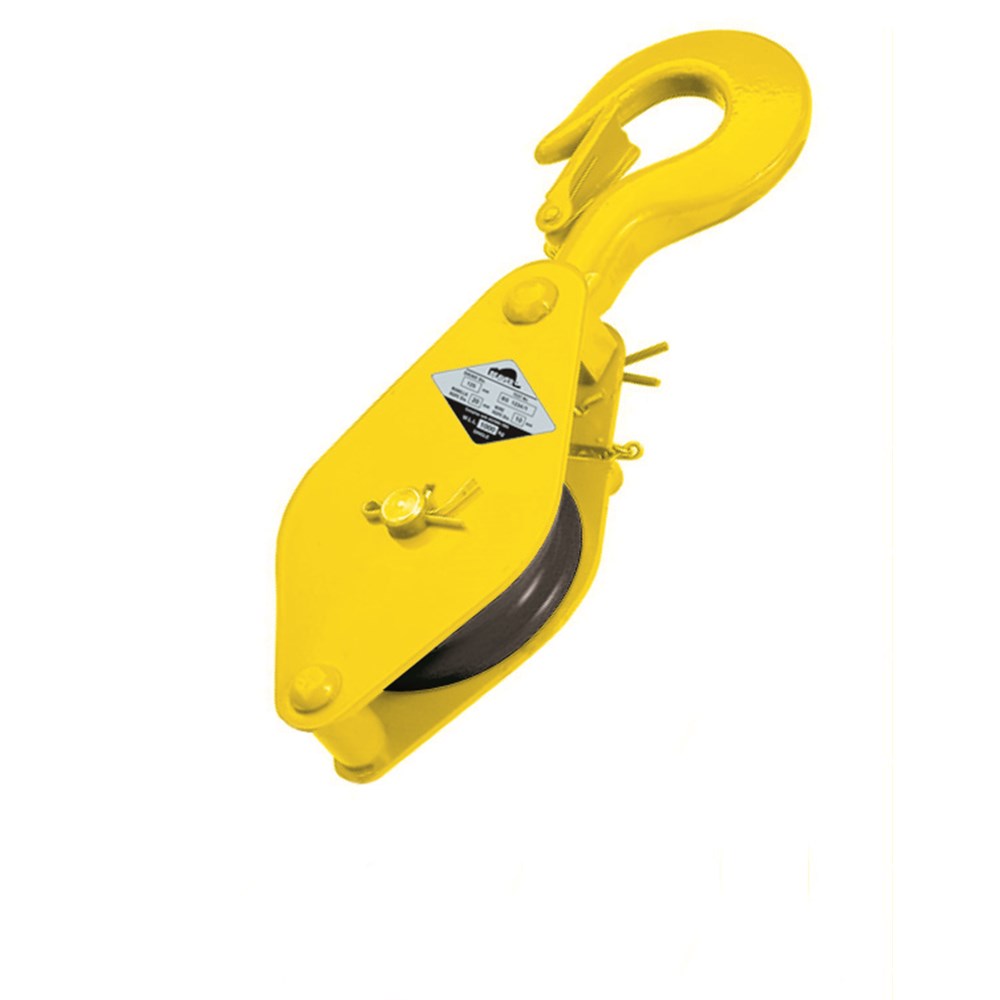 Sheave & Snatch BlocksView products →10 items
 Hoists & WinchesView products →27 items
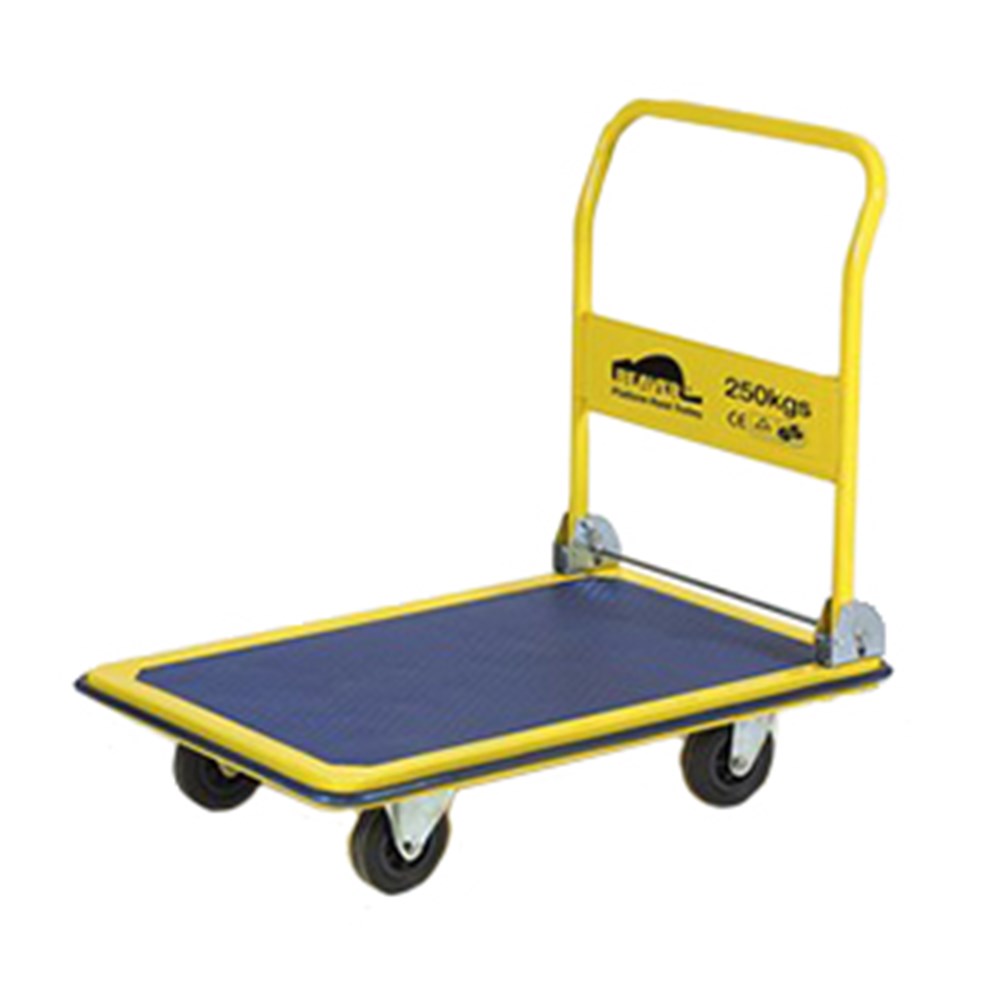 Site HardwareView products →6 items
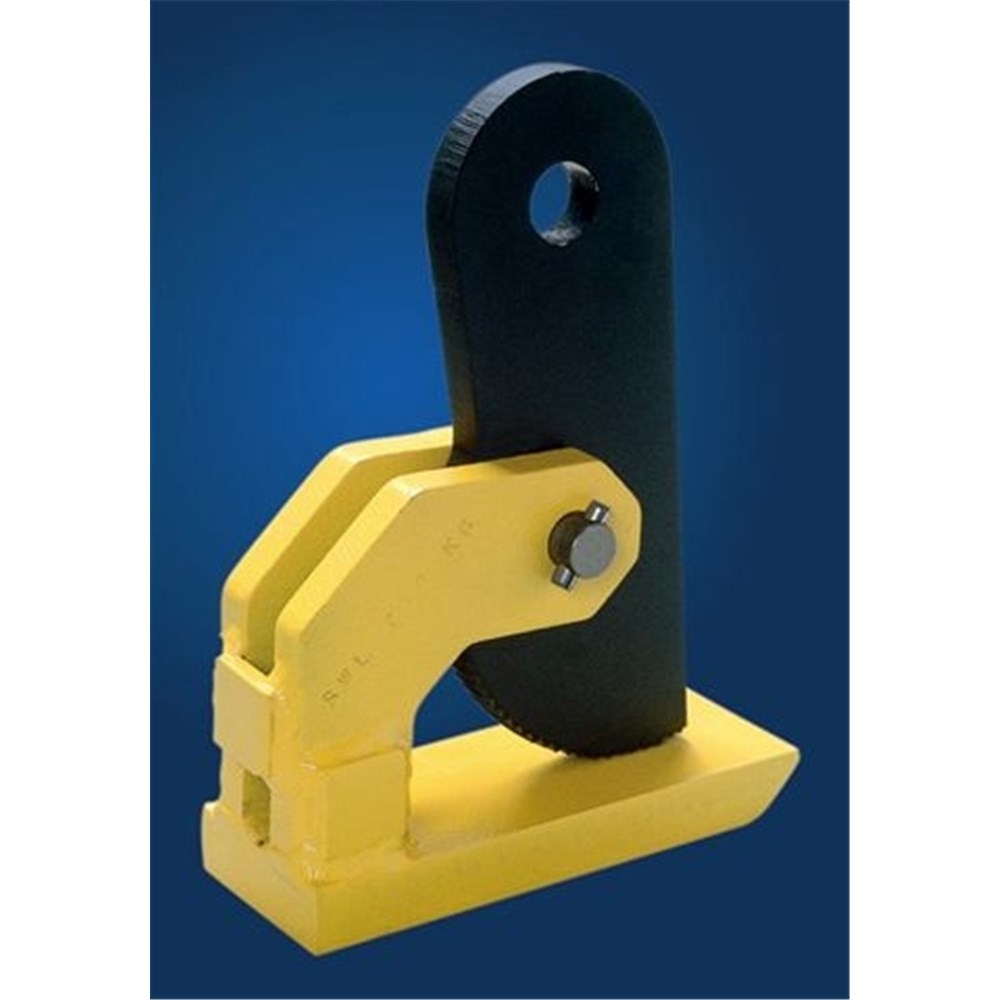 Trolleys & ClampsView products →31 items
Choosing materials handling
Chain blocks, lever hoists, girder trolleys, winches and the hardware that moves loads. Rated equipment for shifting weight, not just lifting it.
Chain block or lever hoist?
A chain block hangs from a fixed point and lifts vertically: high capacity, slow and controlled, two hands on the hand chain. A lever hoist works in any orientation, so it covers lifting, dragging, tensioning and pulling a load sideways into position. If the pull isn't straight down, it's a lever hoist's job. Hoists in Australia fall under the AS 1418 series.
Capacity is only half the spec
Rated capacity gets the attention, but lift height decides whether the hook reaches the load, and headroom, the distance the block itself takes up between hook and beam, decides whether it fits where you're hanging it. Measure capacity, lift and headroom before ordering.